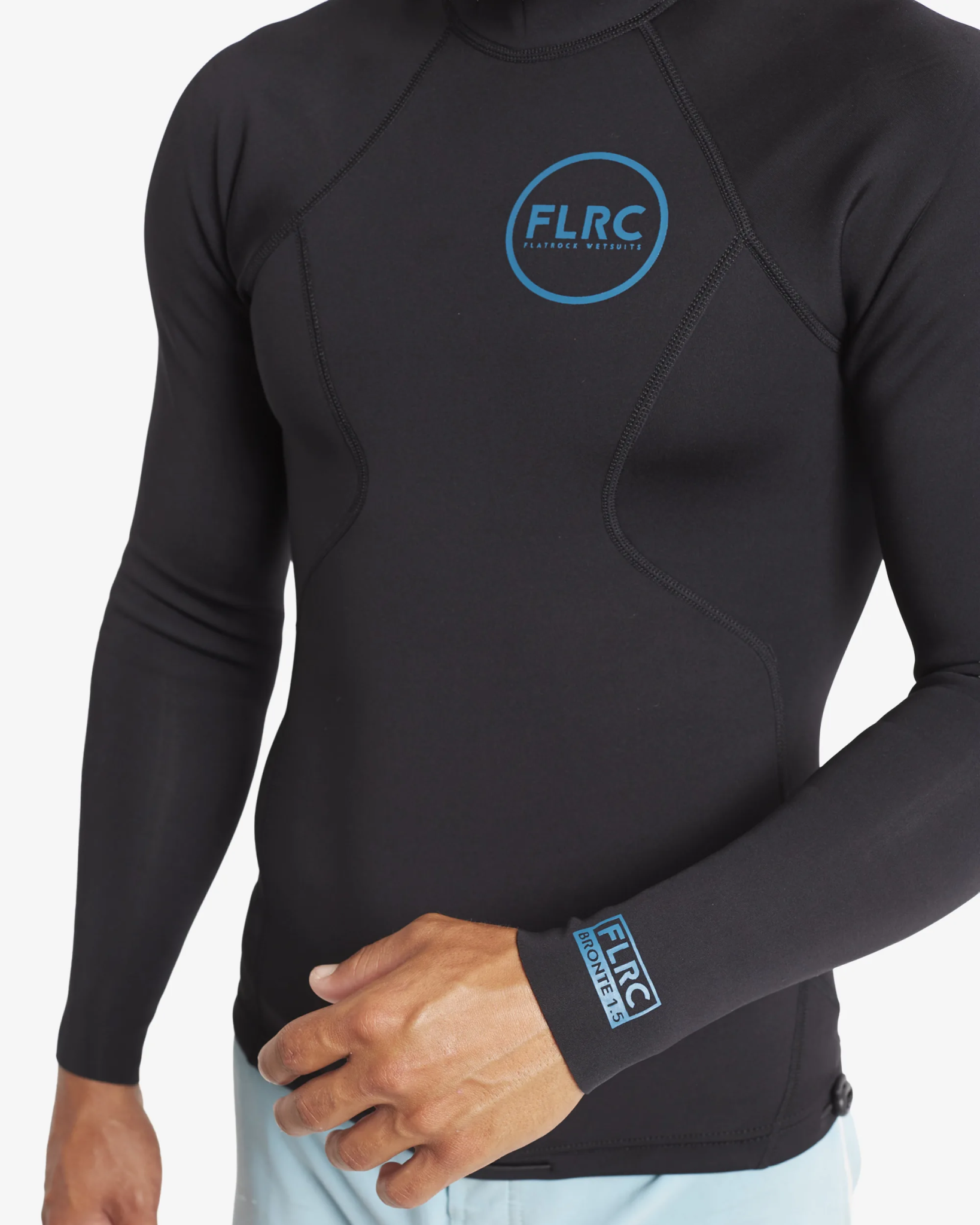
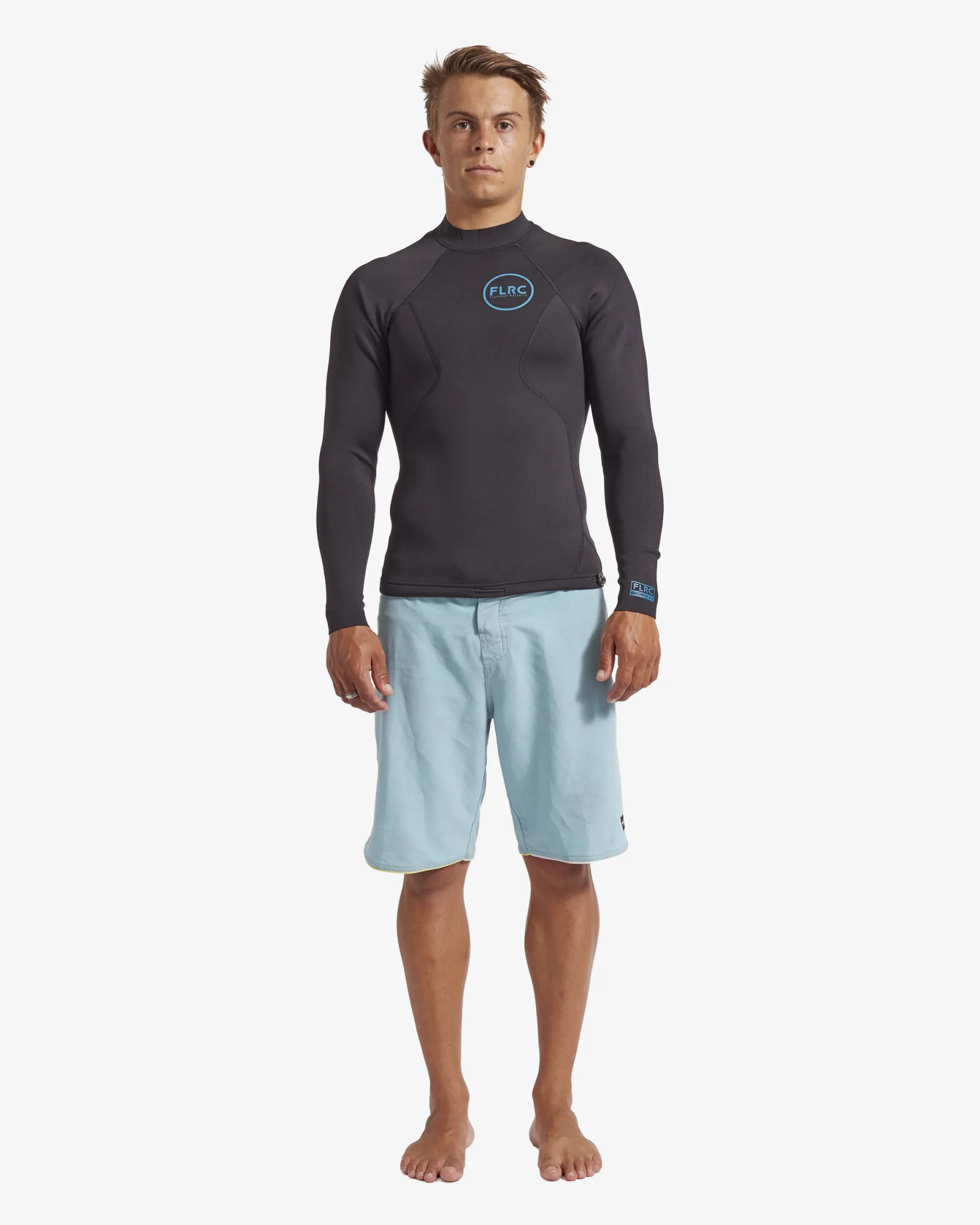
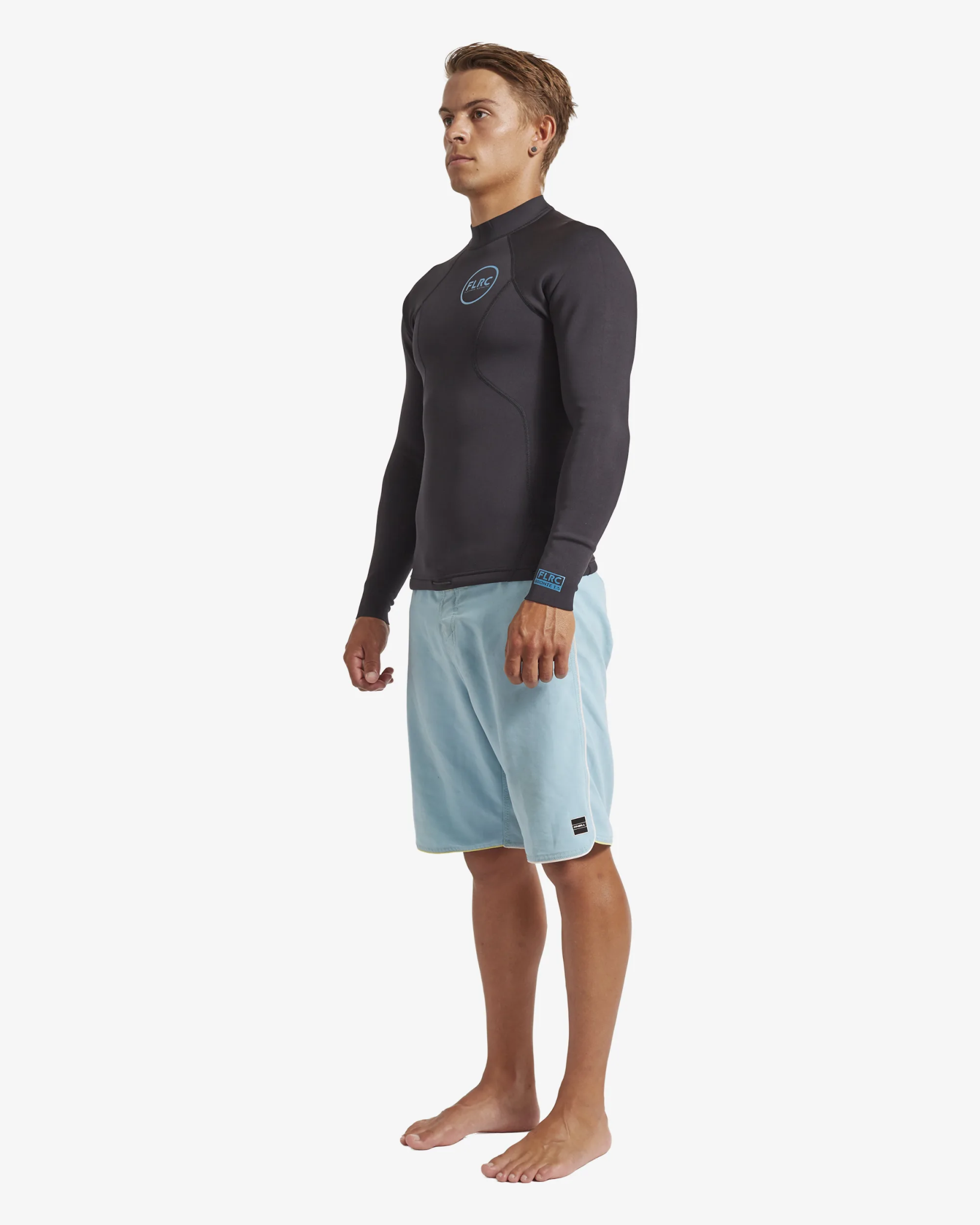
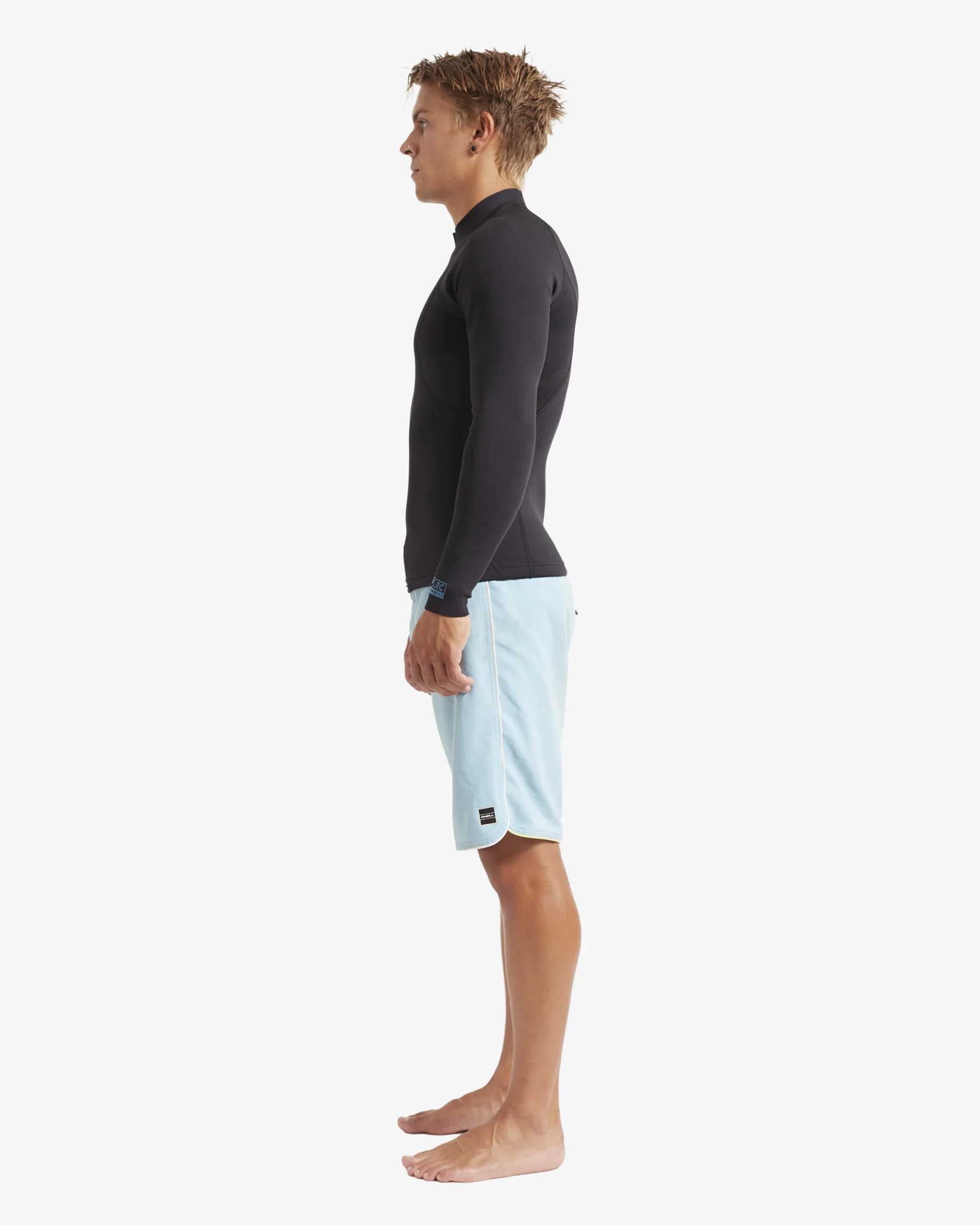
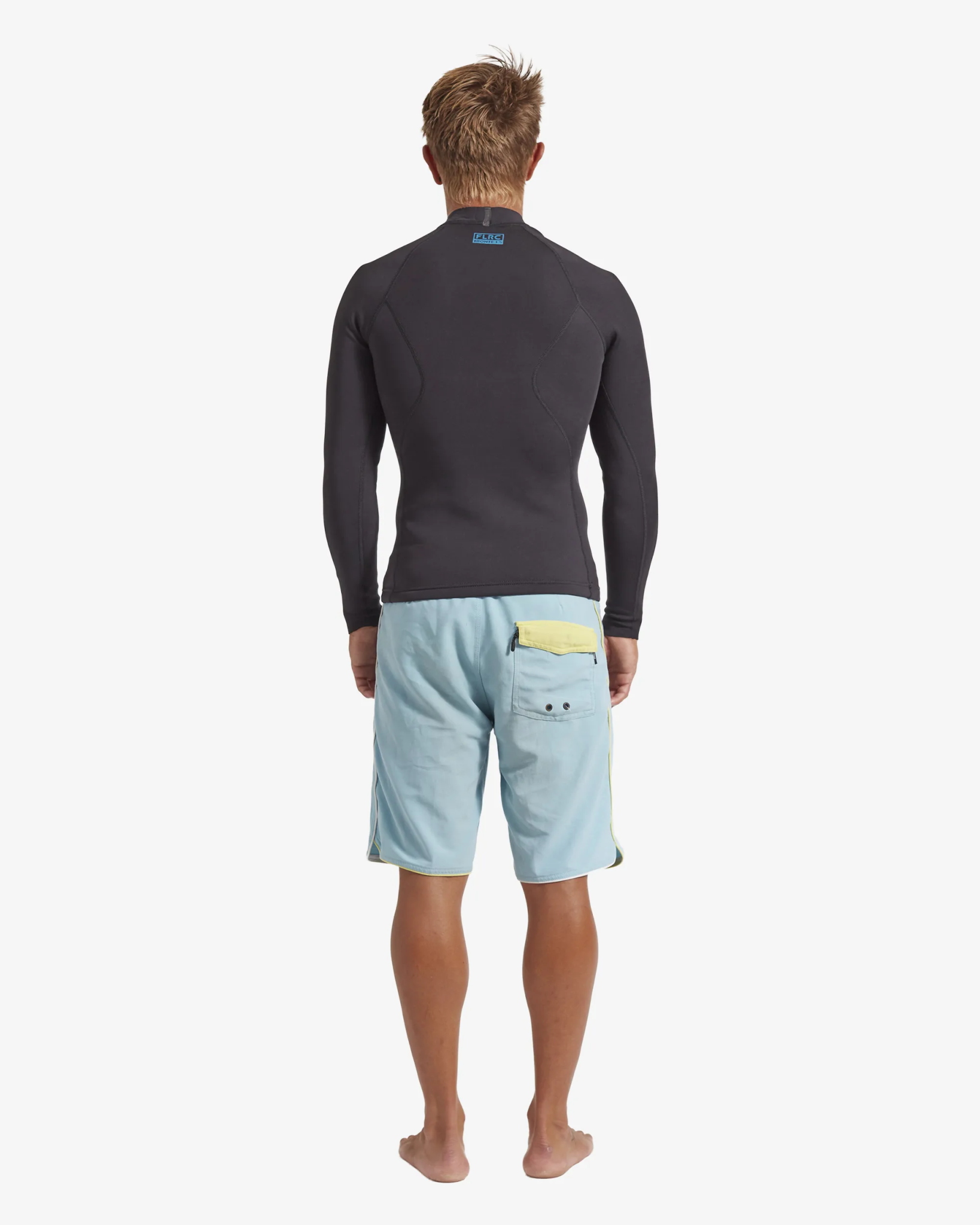
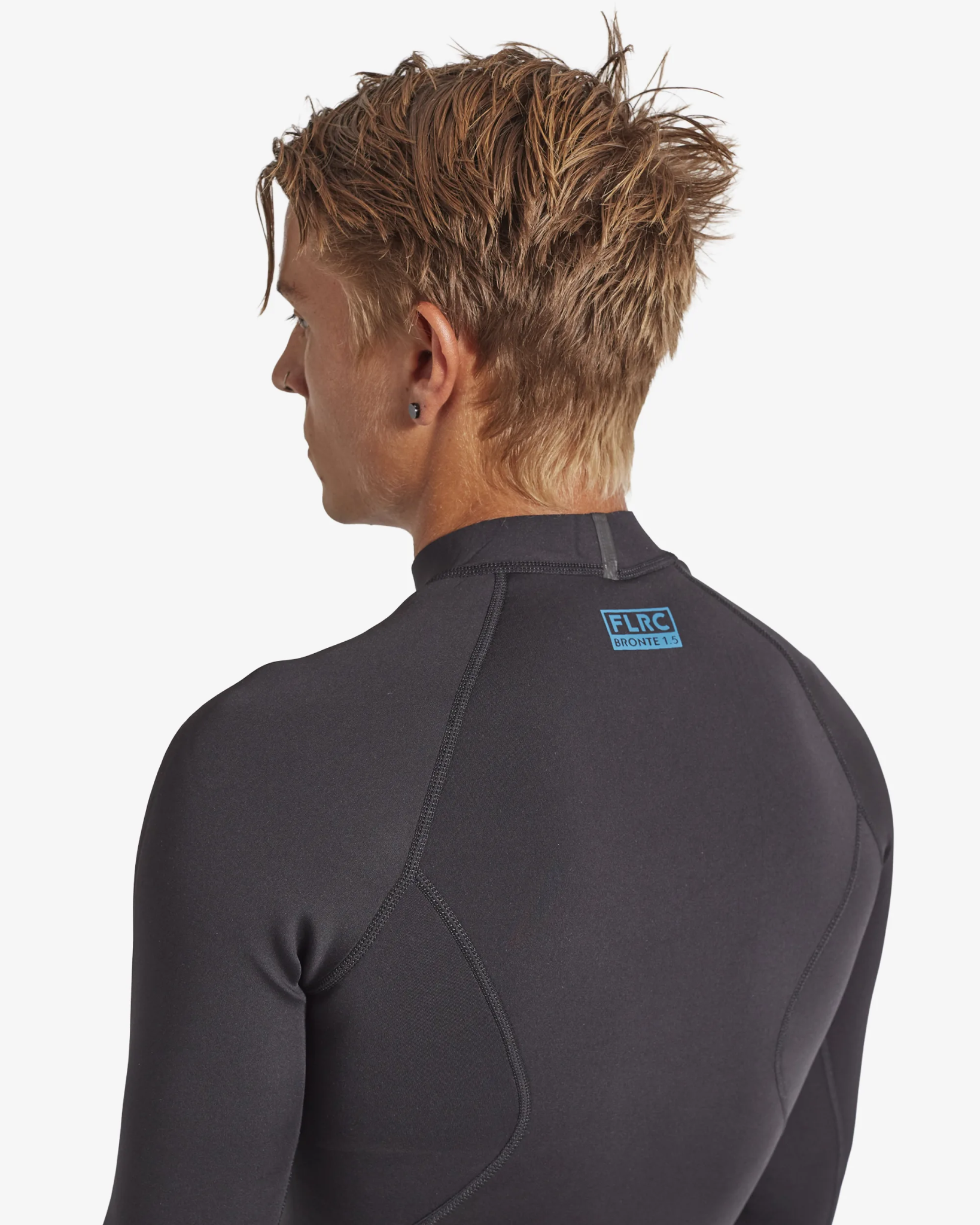
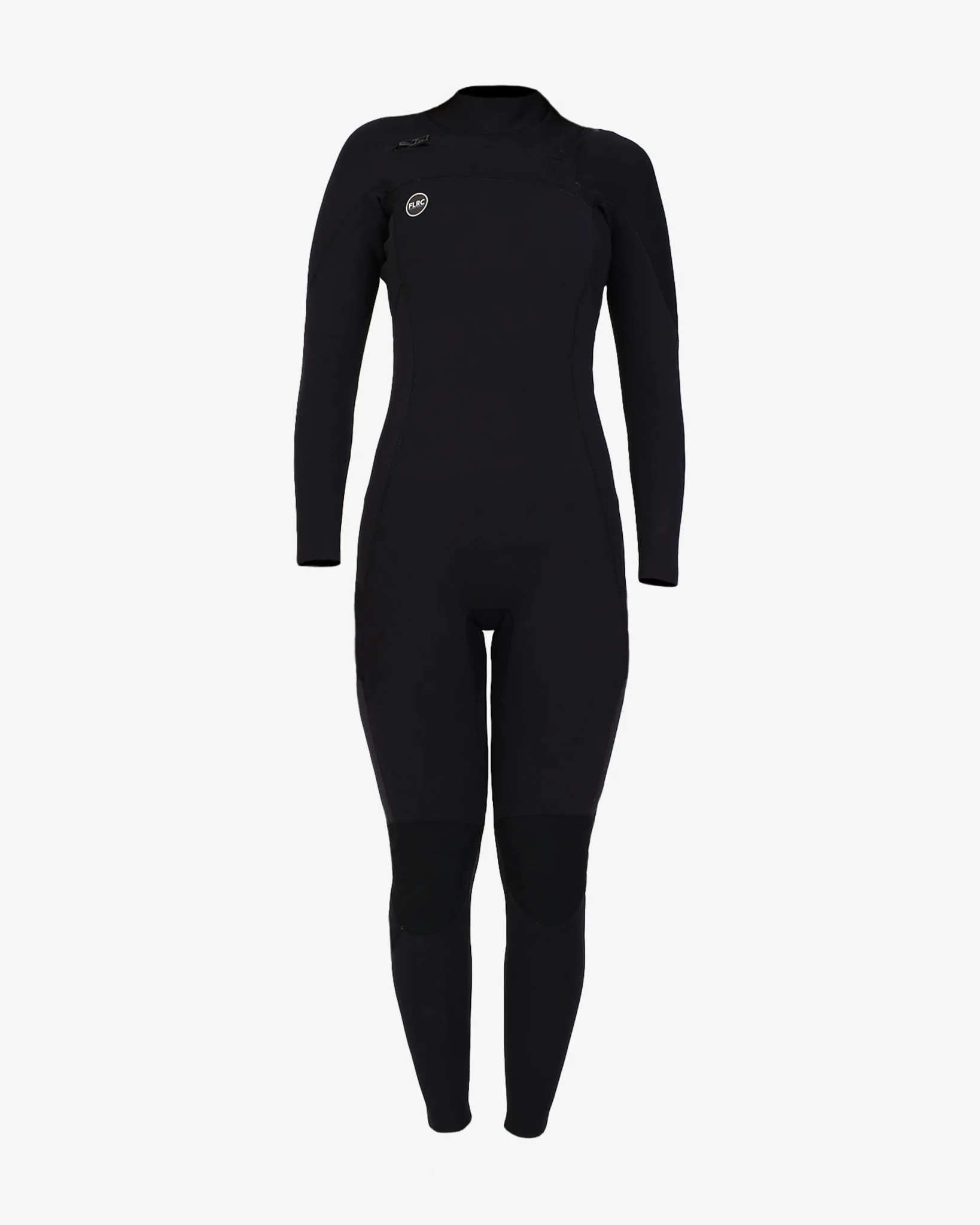
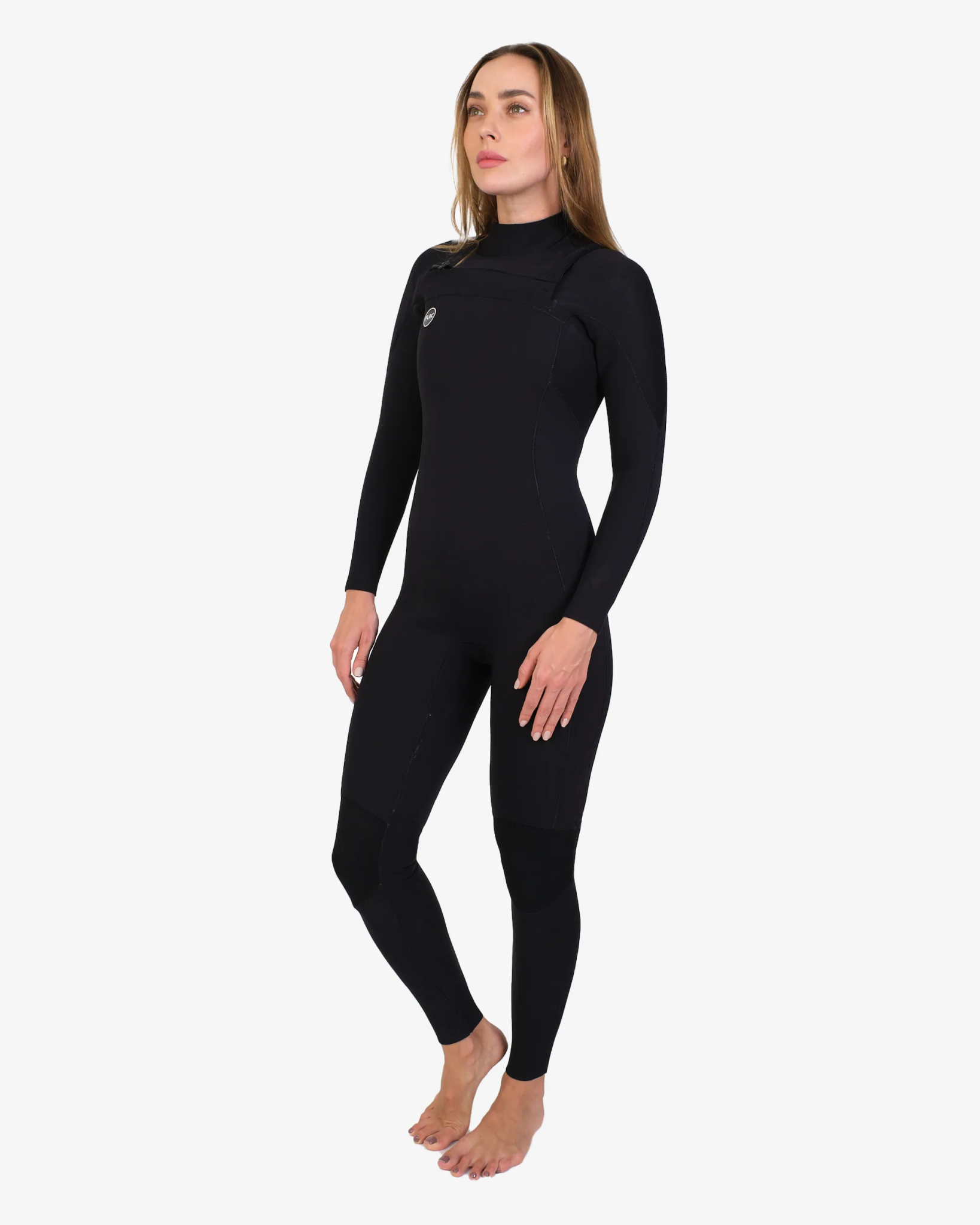
If you're chasing a quality wetsuit in Melbourne, the smartest move isn't picking whichever shop or website happens to be closest. It's checking the seam construction, panel thickness and fit details before you commit. At Flatrock Surf, we reckon Victorian surfers have less margin for error than surfers further north: a wetsuit that lets water flush through at Bells Beach or Jan Juc in the depths of winter doesn't just feel unpleasant, it can shut your sesh down in minutes. This guide covers how to vet a wetsuit seller, whether you're standing in a shop on the Surf Coast or scrolling specs online: what construction checks only work face to face, what you can verify from a listing, and the red flags that mean it's time to keep looking.
Why does Melbourne's cold water make wetsuit quality non-negotiable?
Water temperatures along Victoria's surf coast, think Torquay, Jan Juc and Bells Beach, sit roughly between 12°C and 18°C depending on the time of year, dropping toward the bottom of that range through winter. That's cold enough that most Victorian surfers reach for a 4/3mm wetsuit as a baseline, moving up to a 5/4mm plus boots and gloves once winter properly sets in. We've covered exact thickness recommendations in our guide to wetsuit thickness for Australian conditionsso we won't repeat it here. Here's what matters for this guide: in Sydney's warmer 18-24°C water, sloppy seams or the wrong panel thickness are just annoying. Down in Victoria, they're the difference between a full session and an early exit, shivering on the sand.
Should you buy your wetsuit from a local shop or online?
Both can work, but each comes with a trade-off worth planning around. A local shop on the Surf Coast lets you handle the neoprene, try the fit, and walk out wearing it that arvo. The catch is that stock in any single store is limited to whatever sizes and models happen to be on the rack, and cold-water gear like 5/4mm steamers and thicker boots and gloves is often first to sell out once winter kicks in. Buying online opens up the full size run and lets you compare panel thickness, seam type and lining across an entire range side by side, but only if the seller actually publishes that detail. A listing with a photo, a price and an S/M/L dropdown and nothing else isn't enough to buy cold-water gear on.
What seam and construction checks can you only make in person?
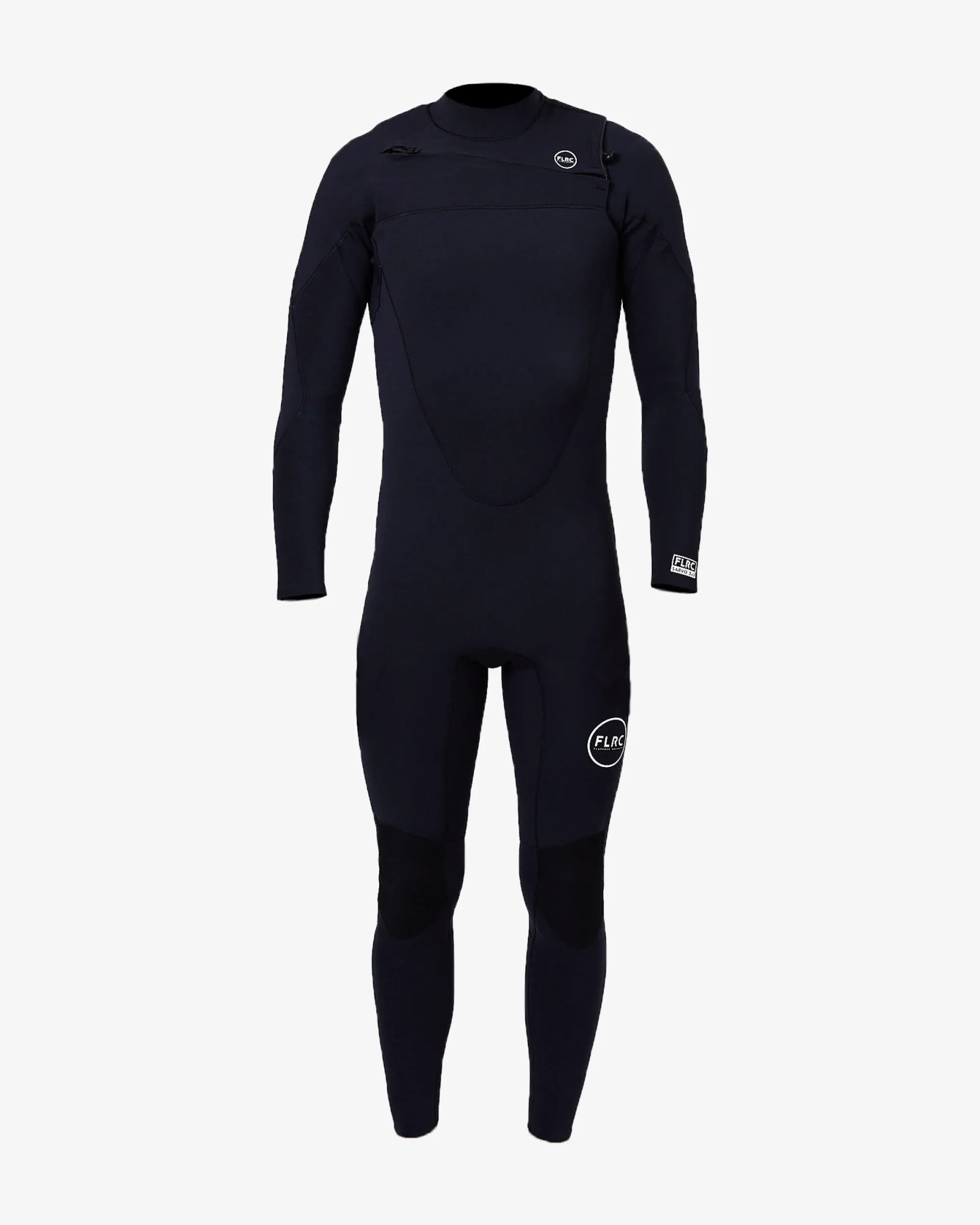
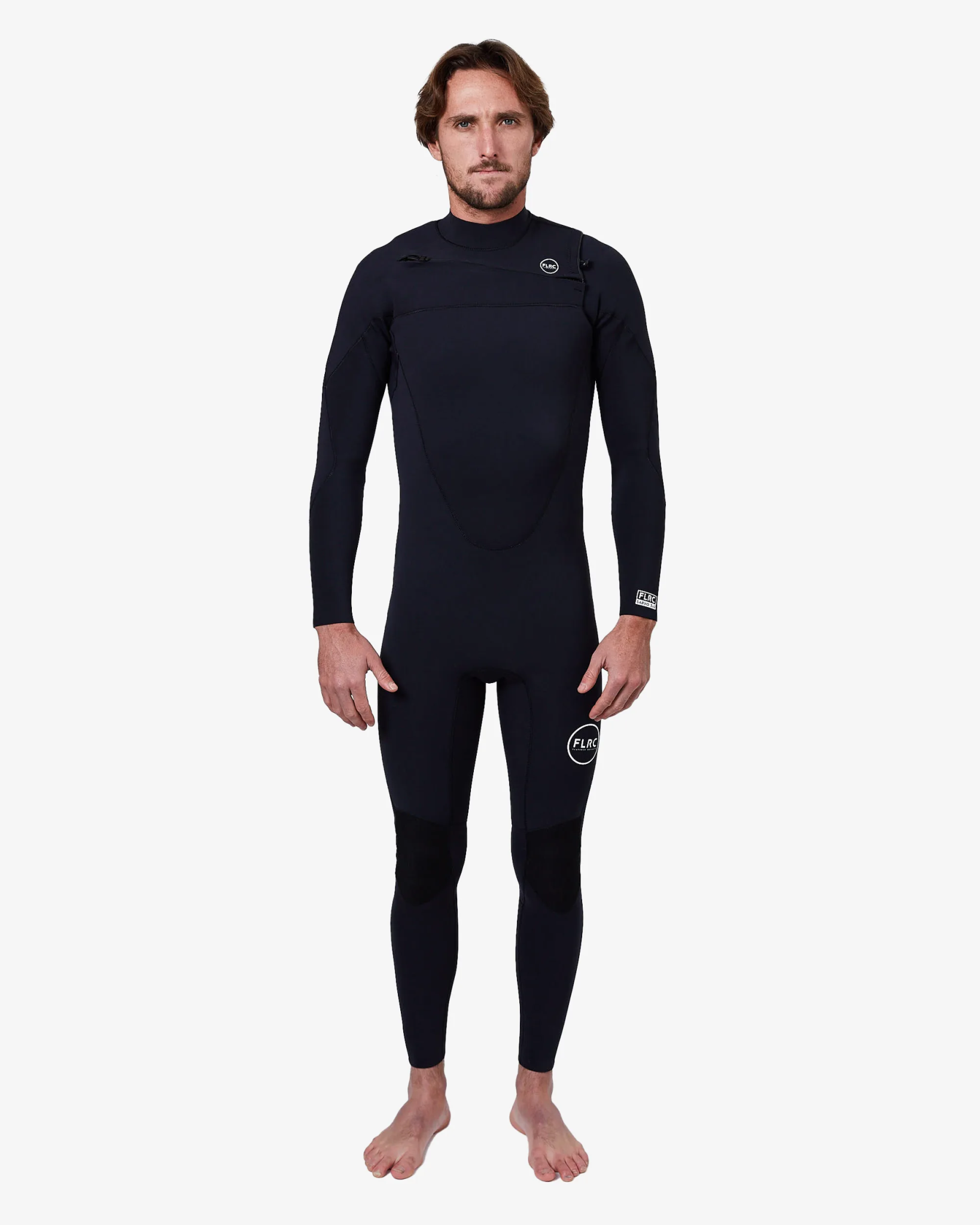
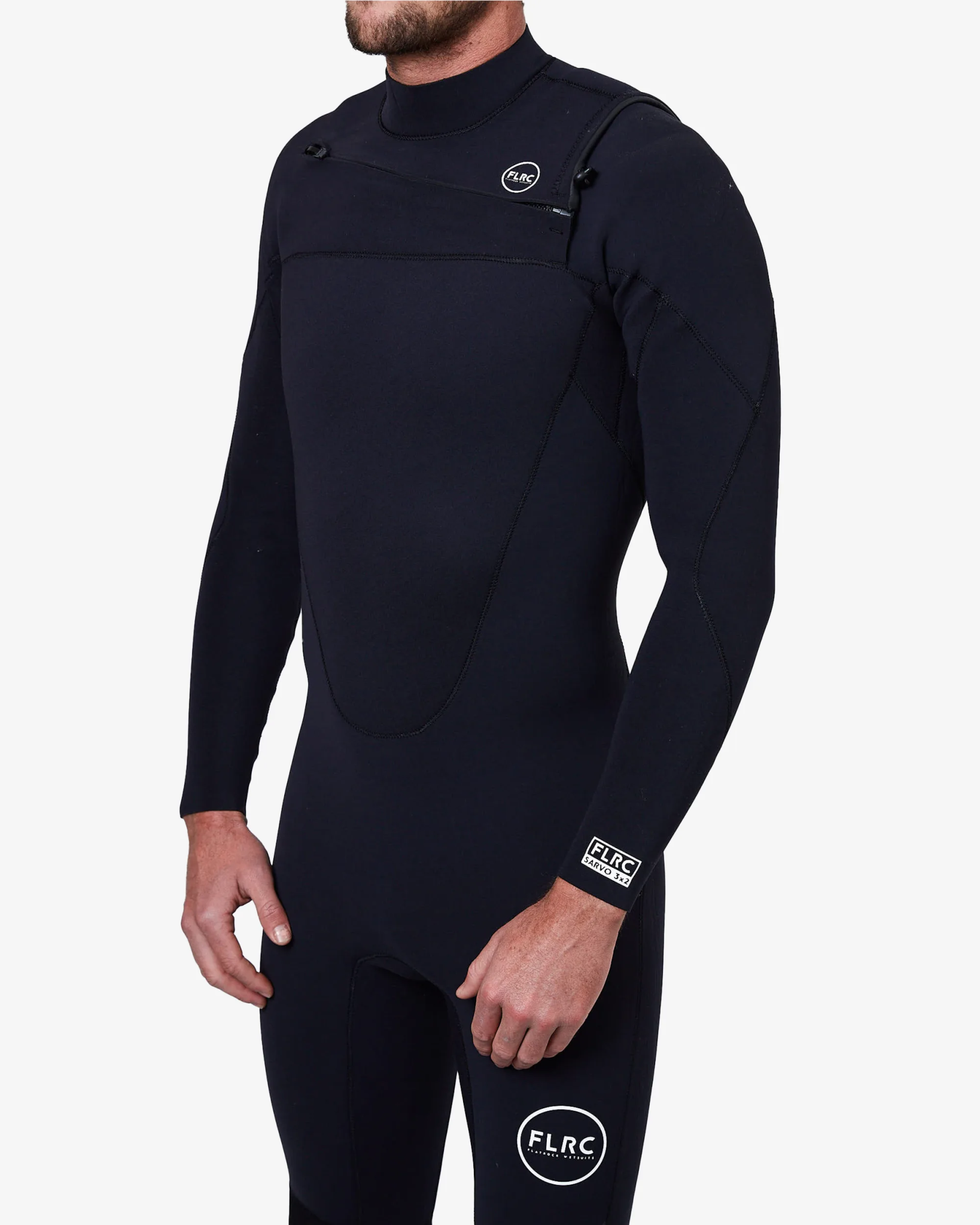
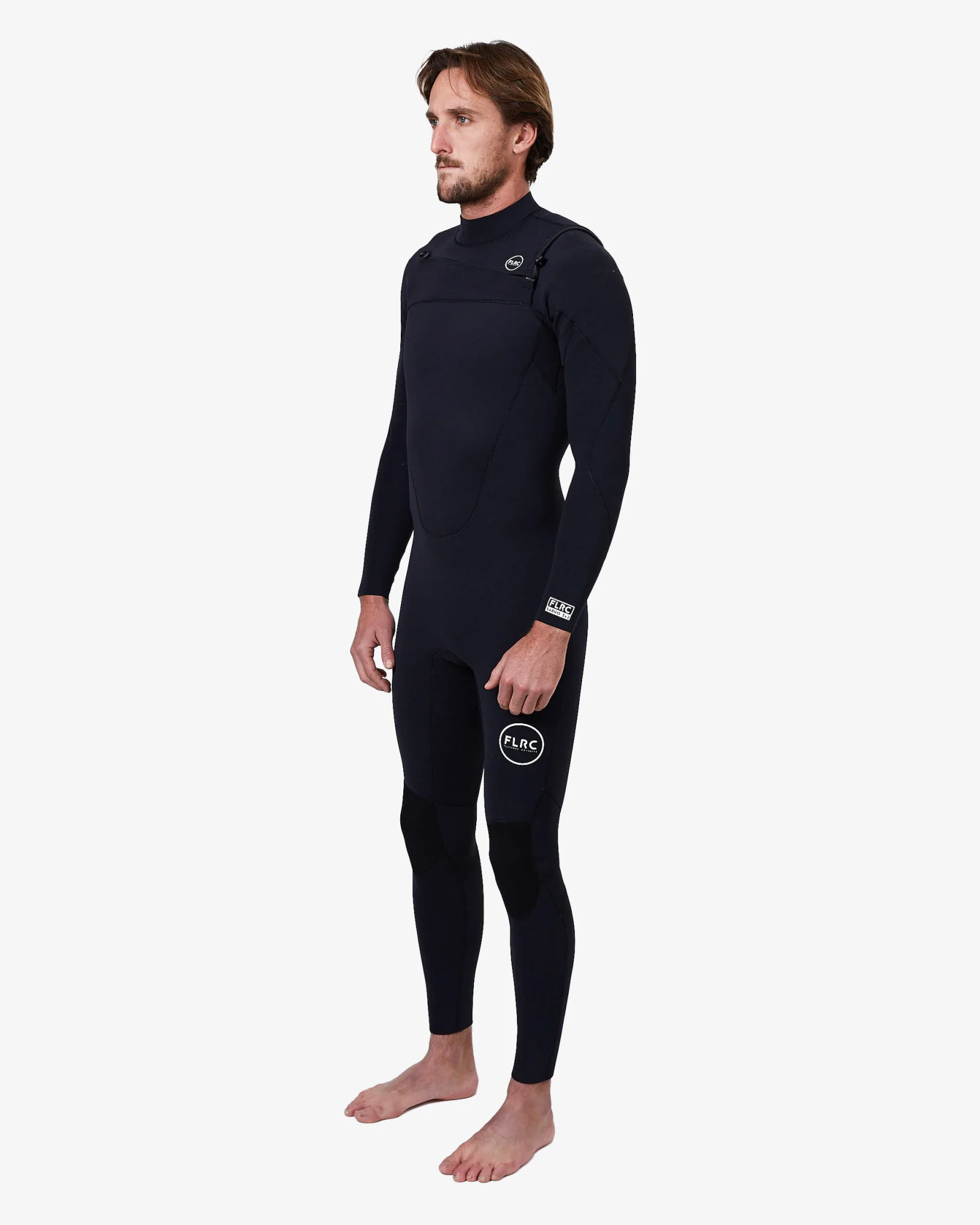
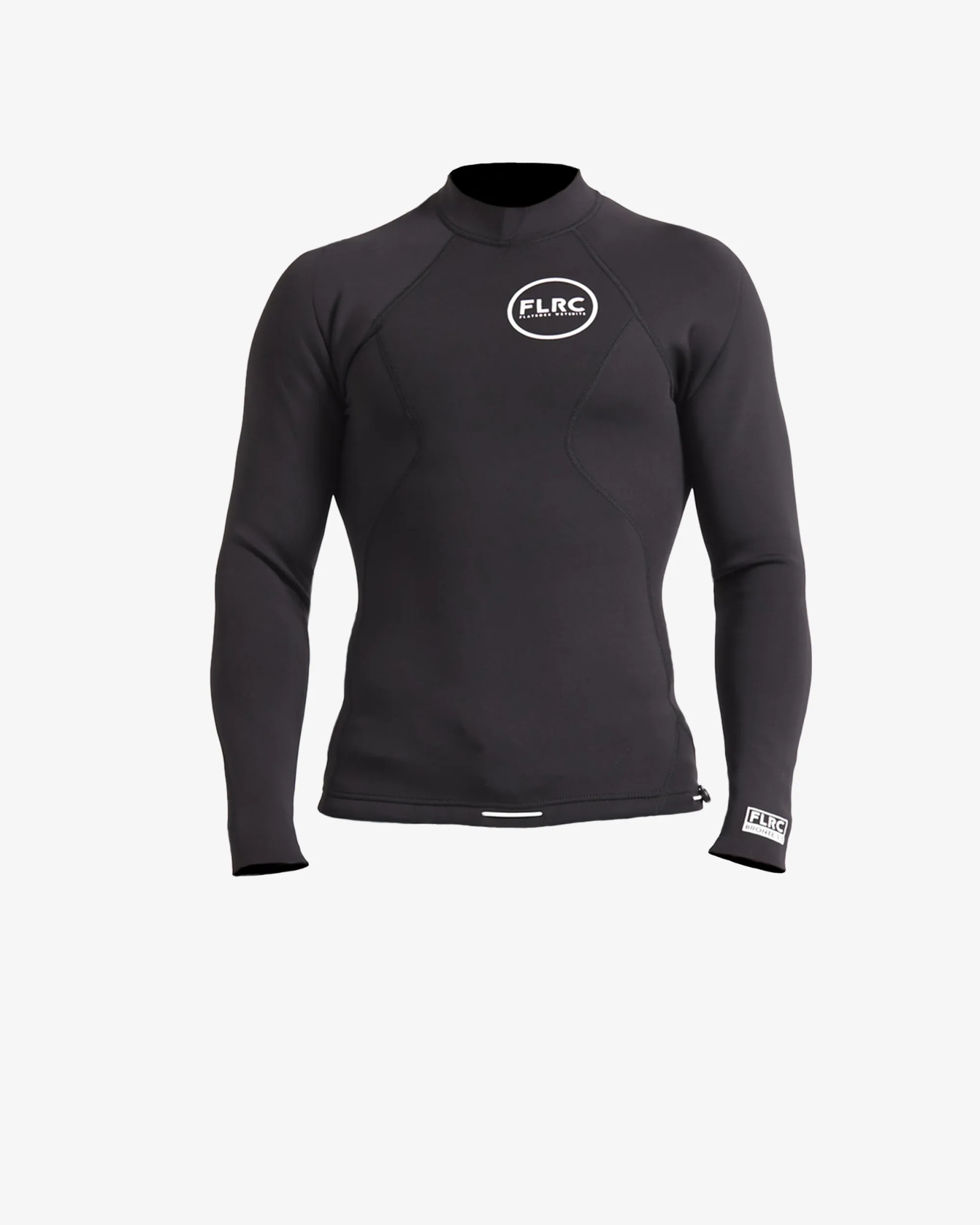
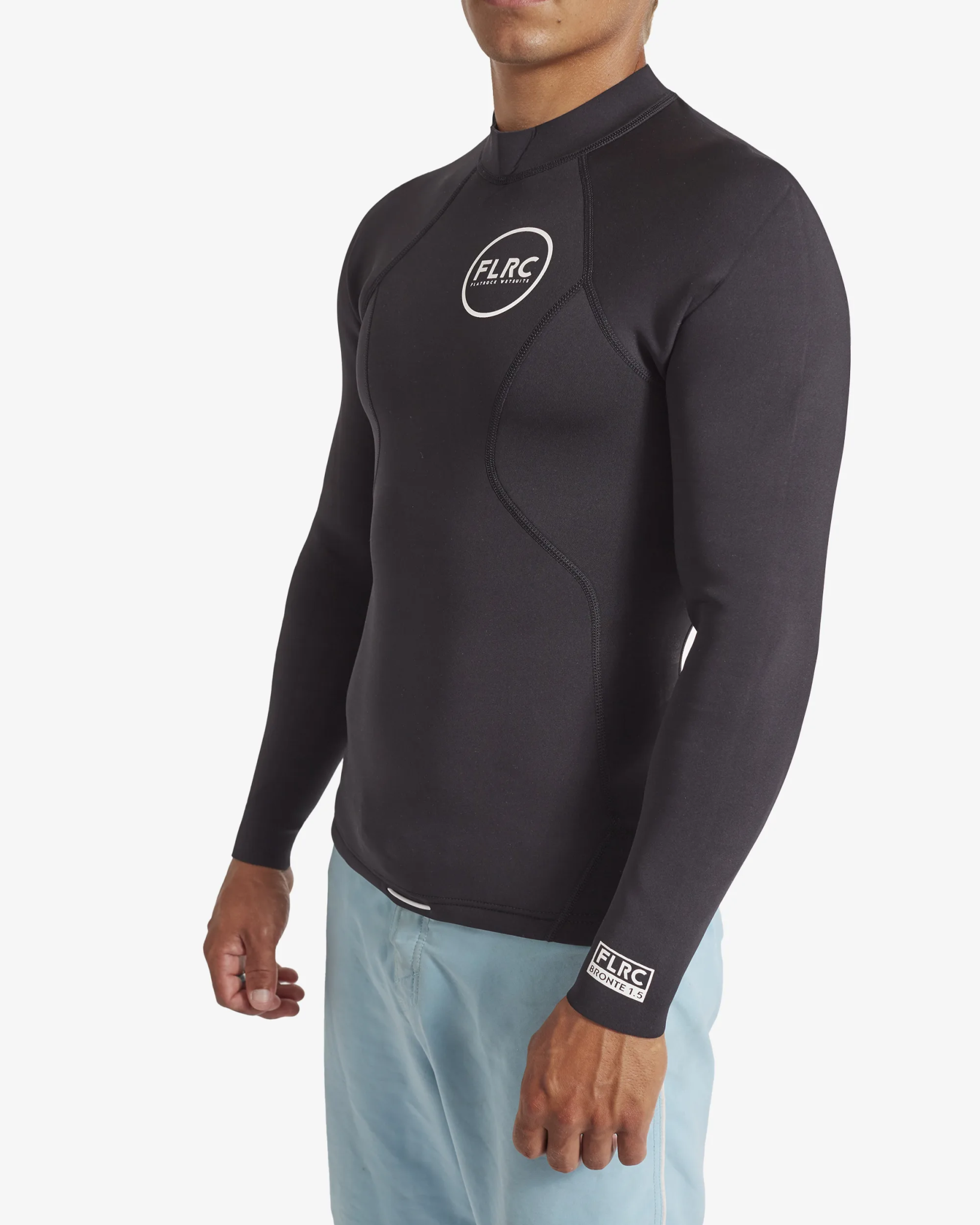
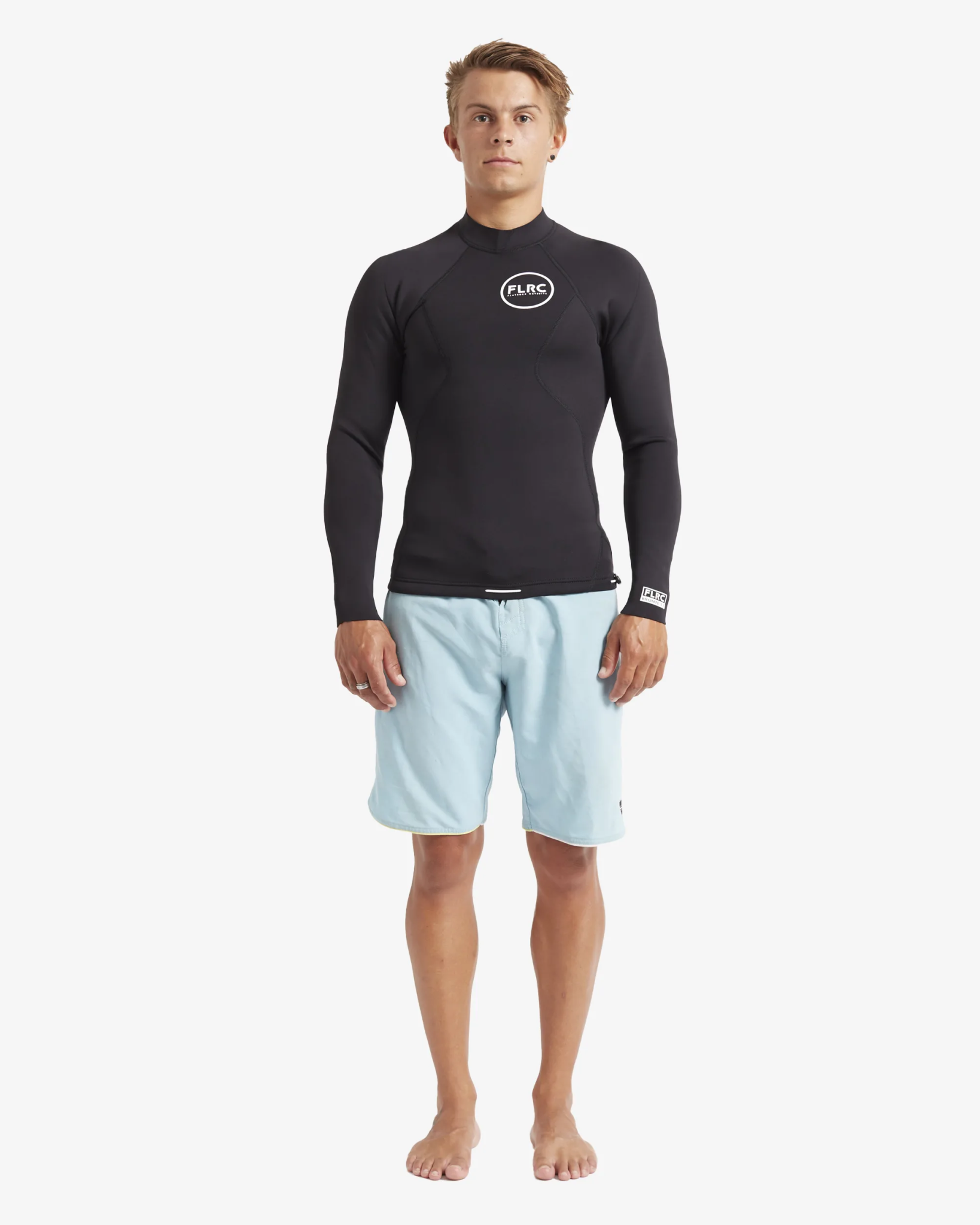
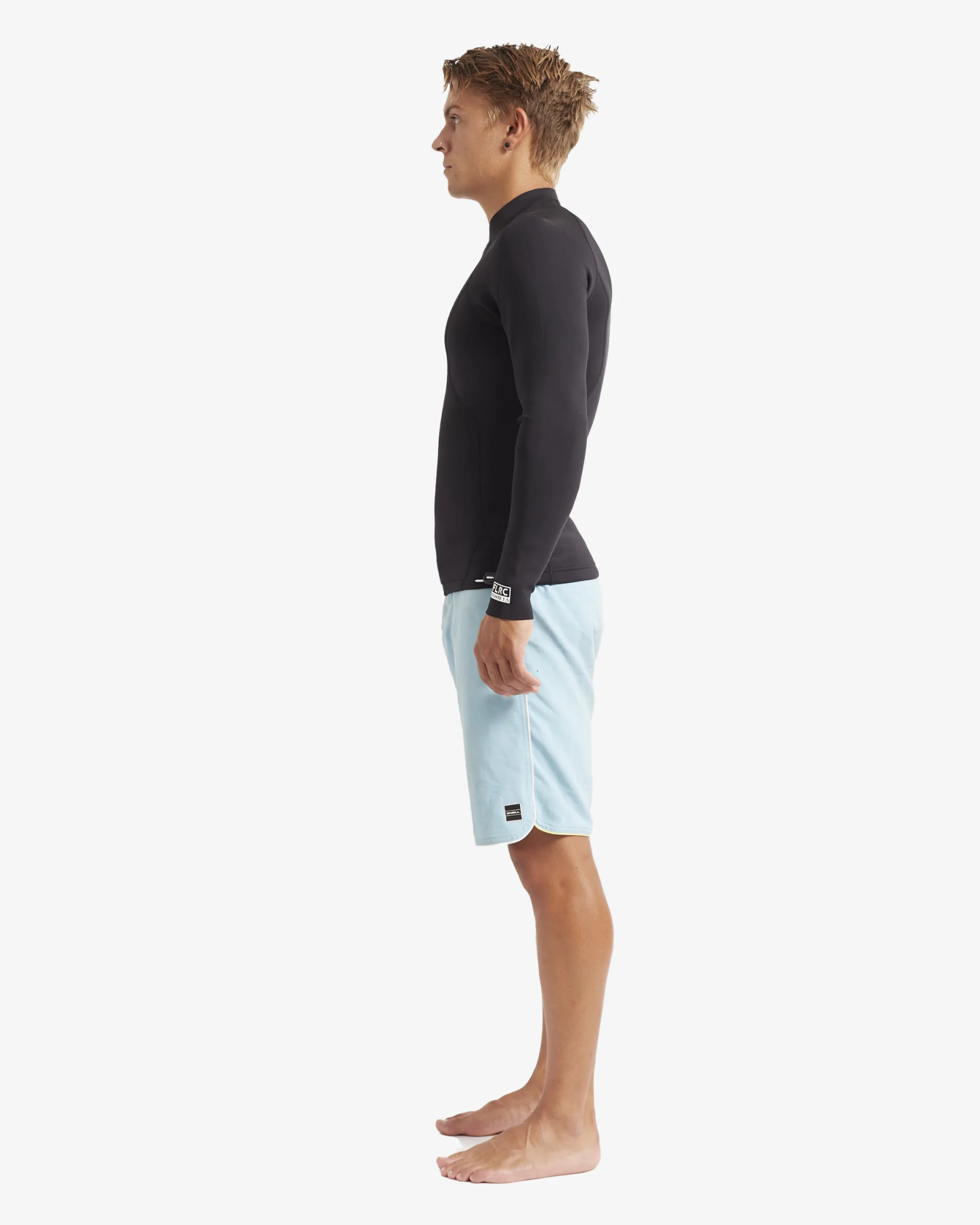
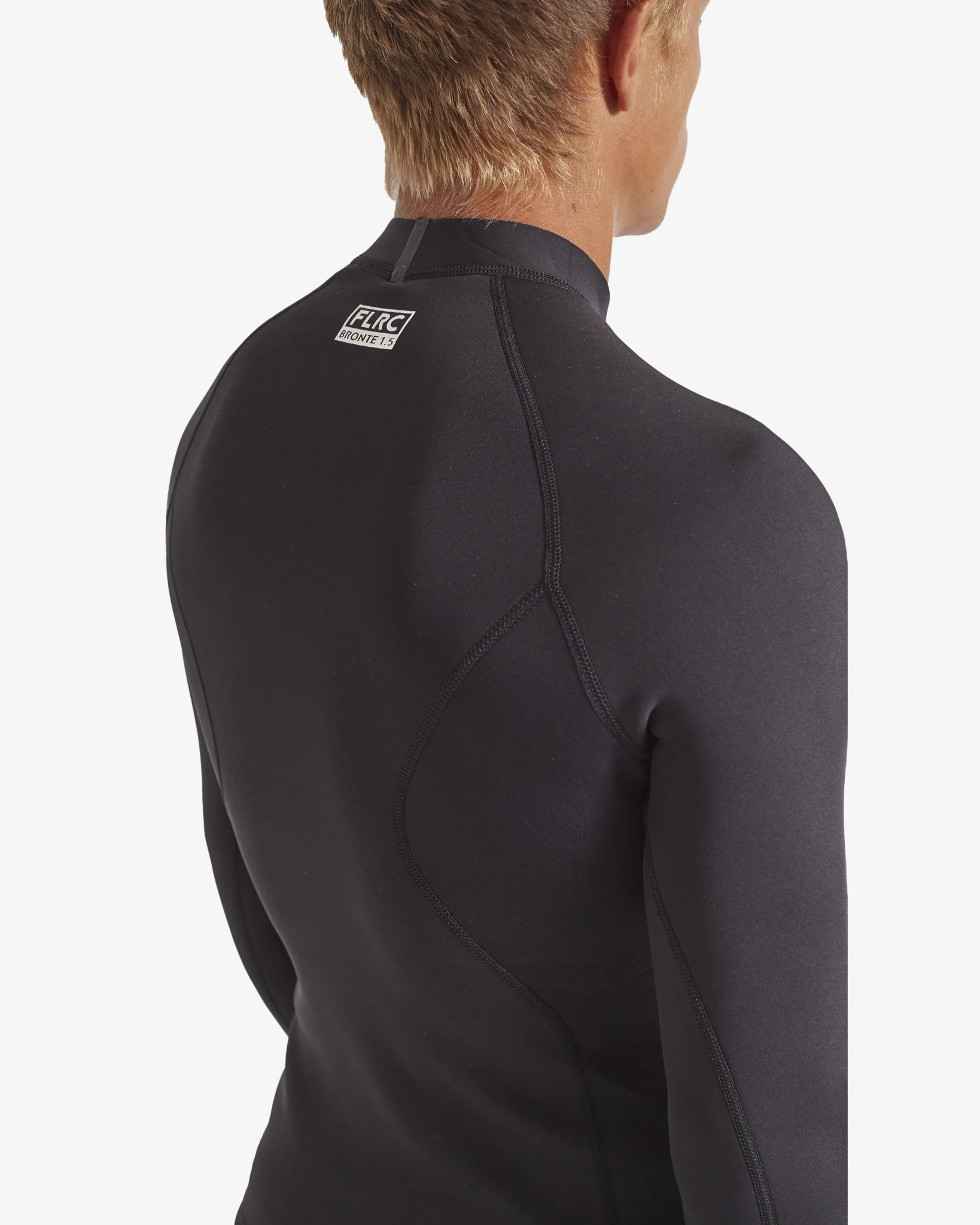
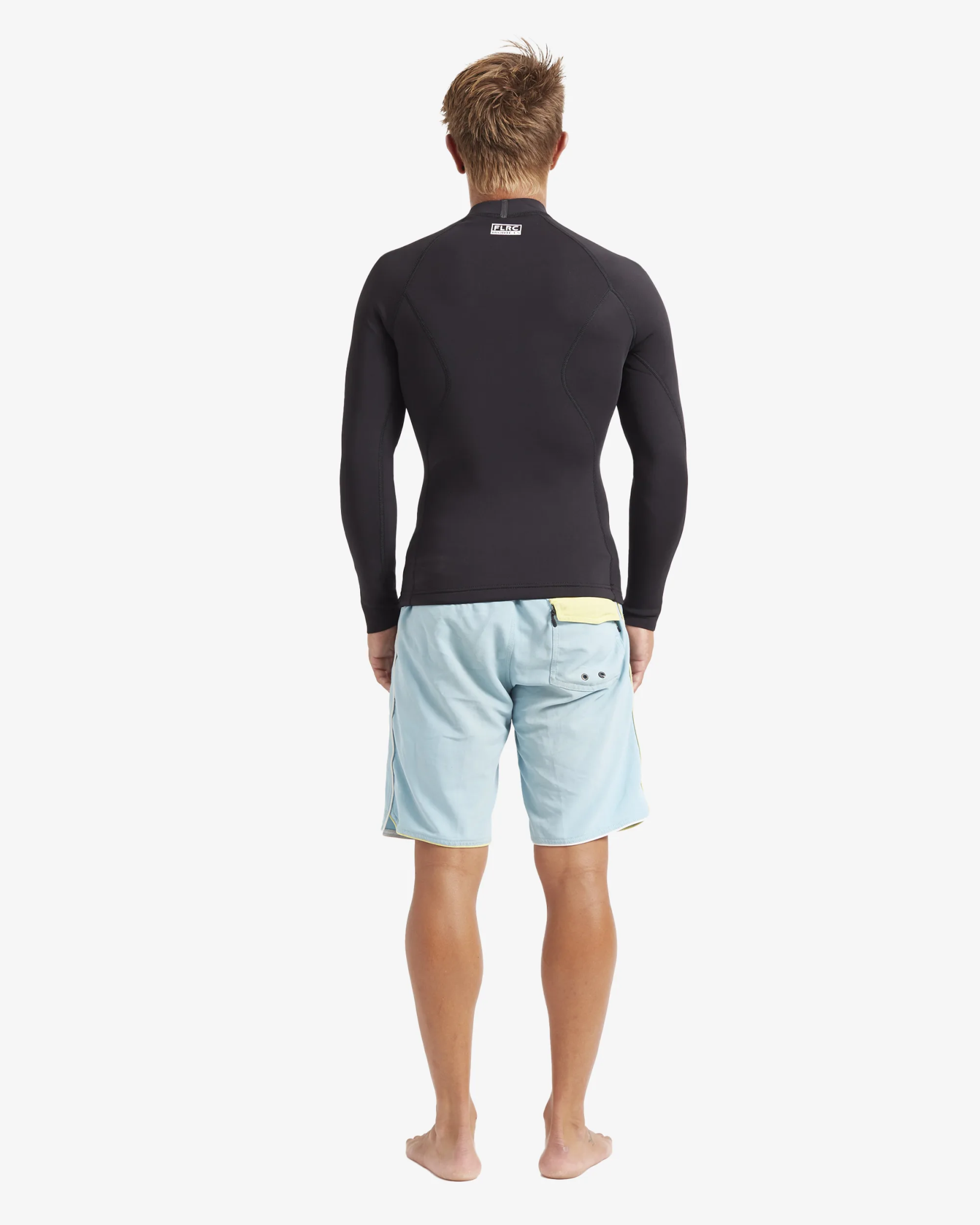
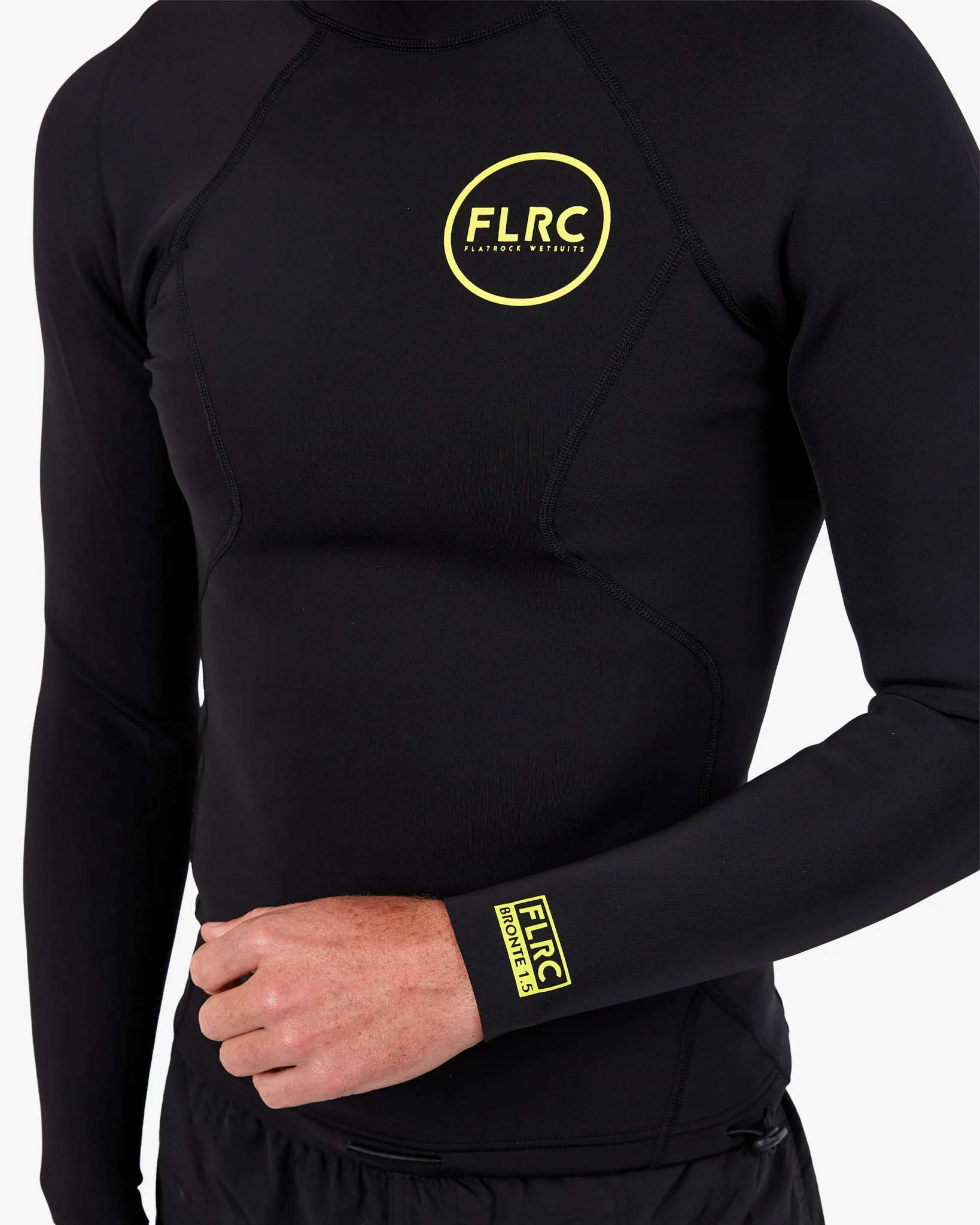
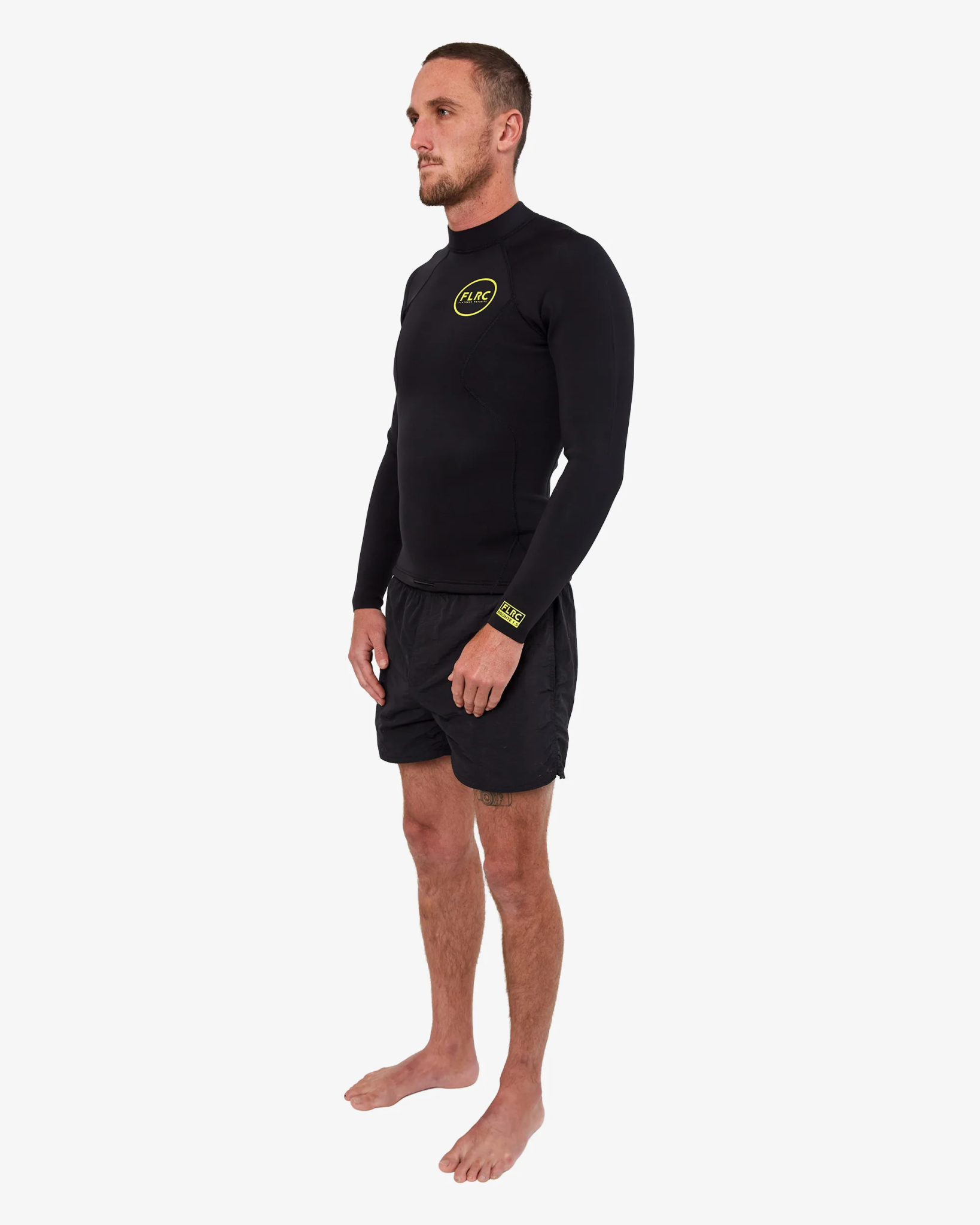
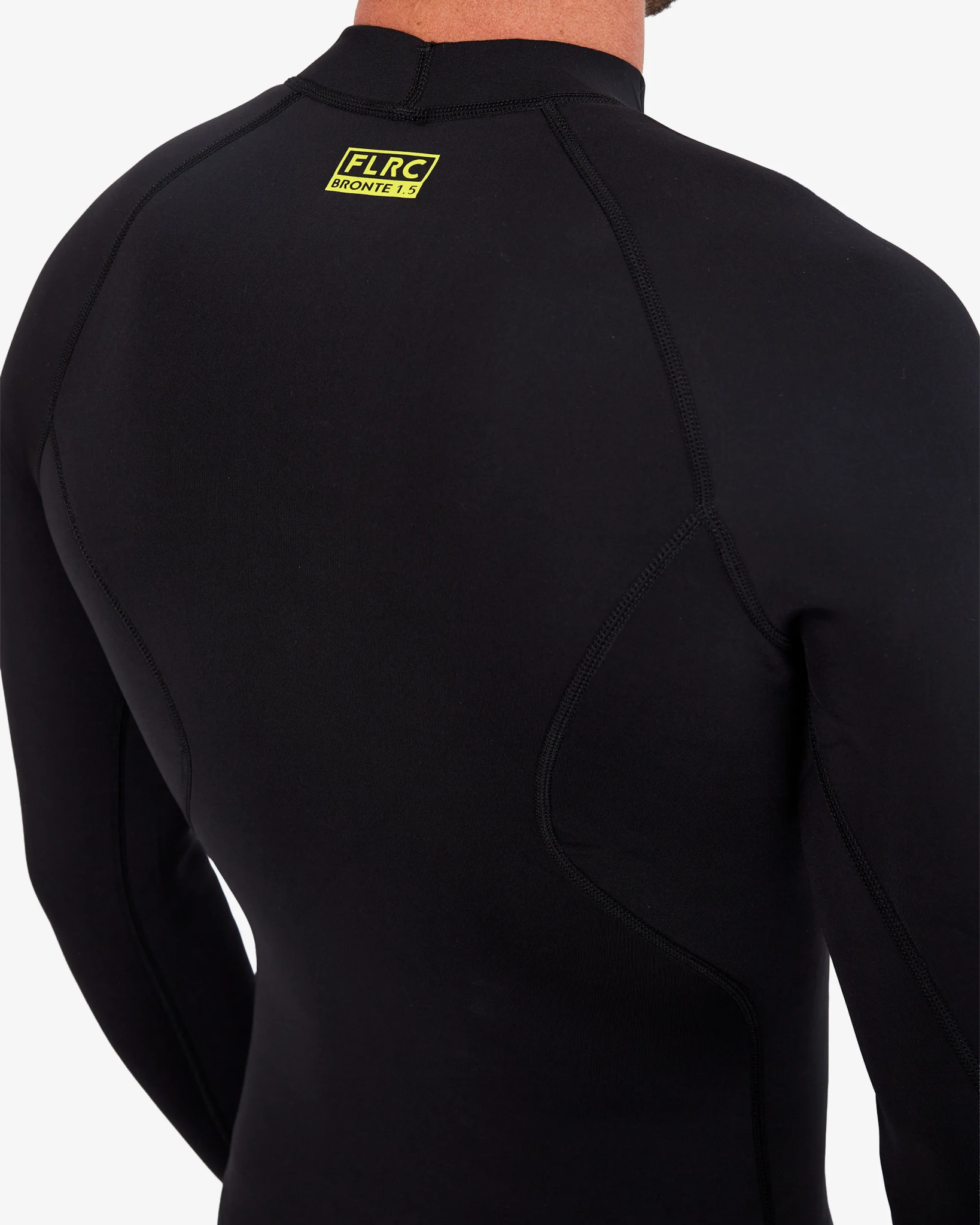
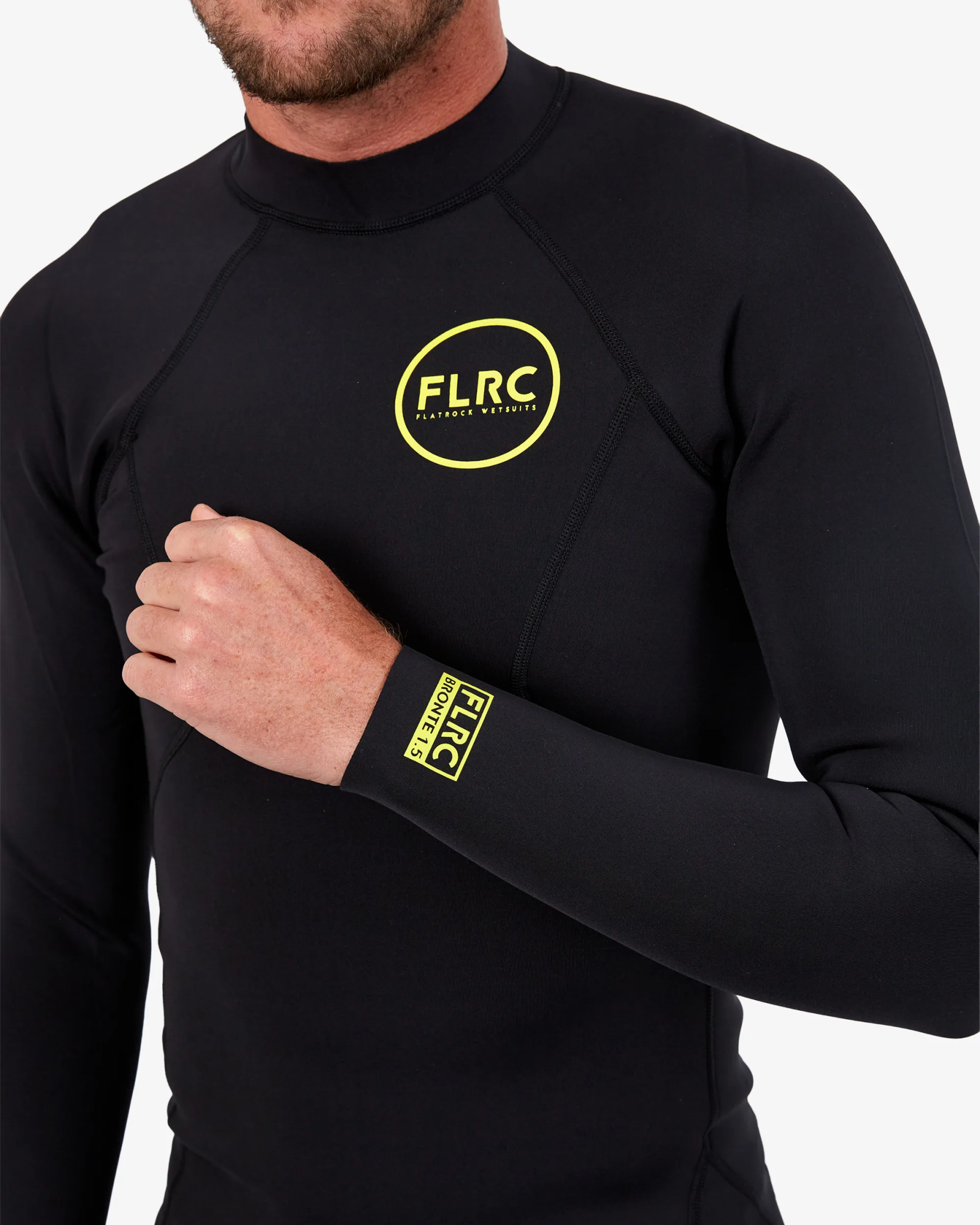
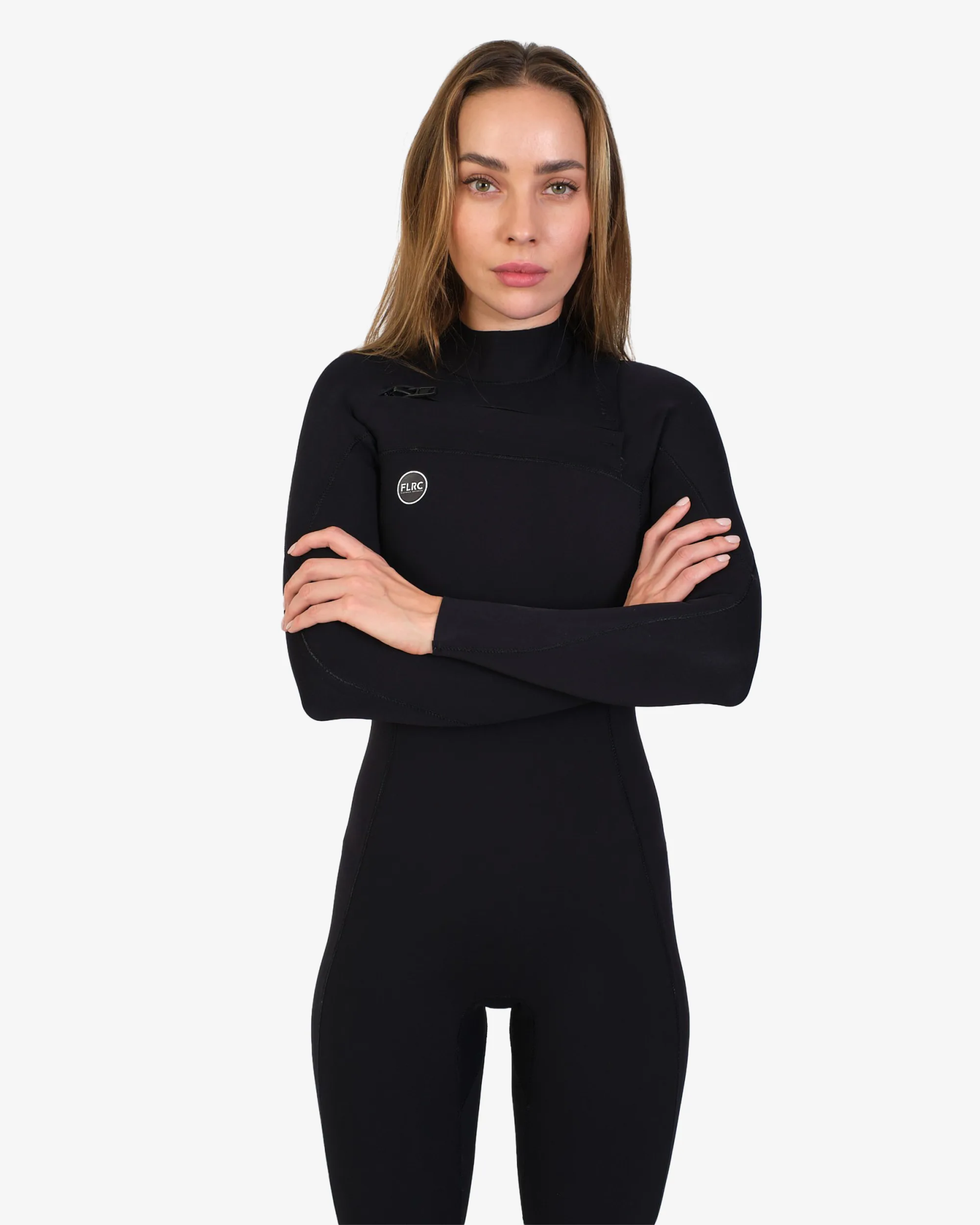
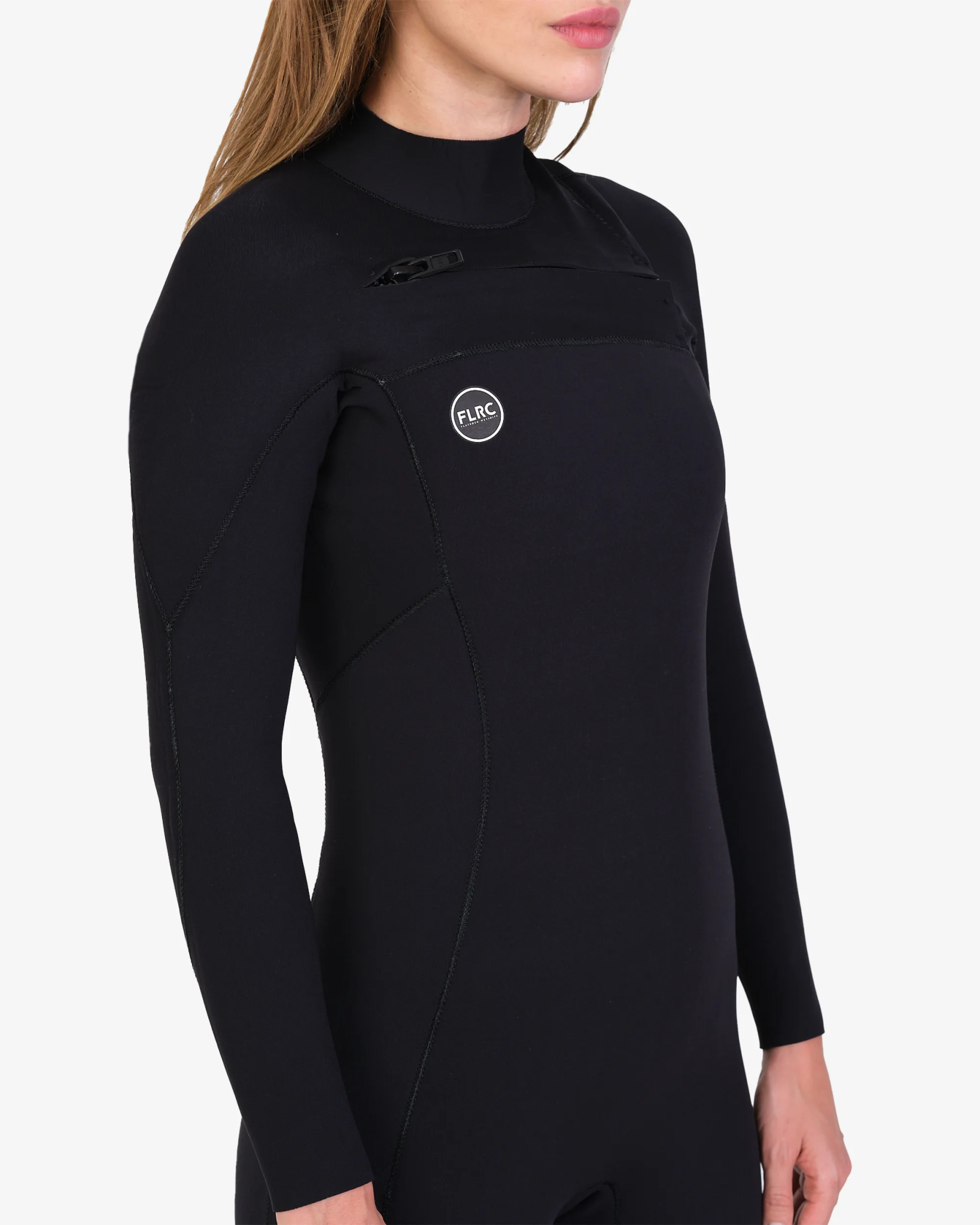
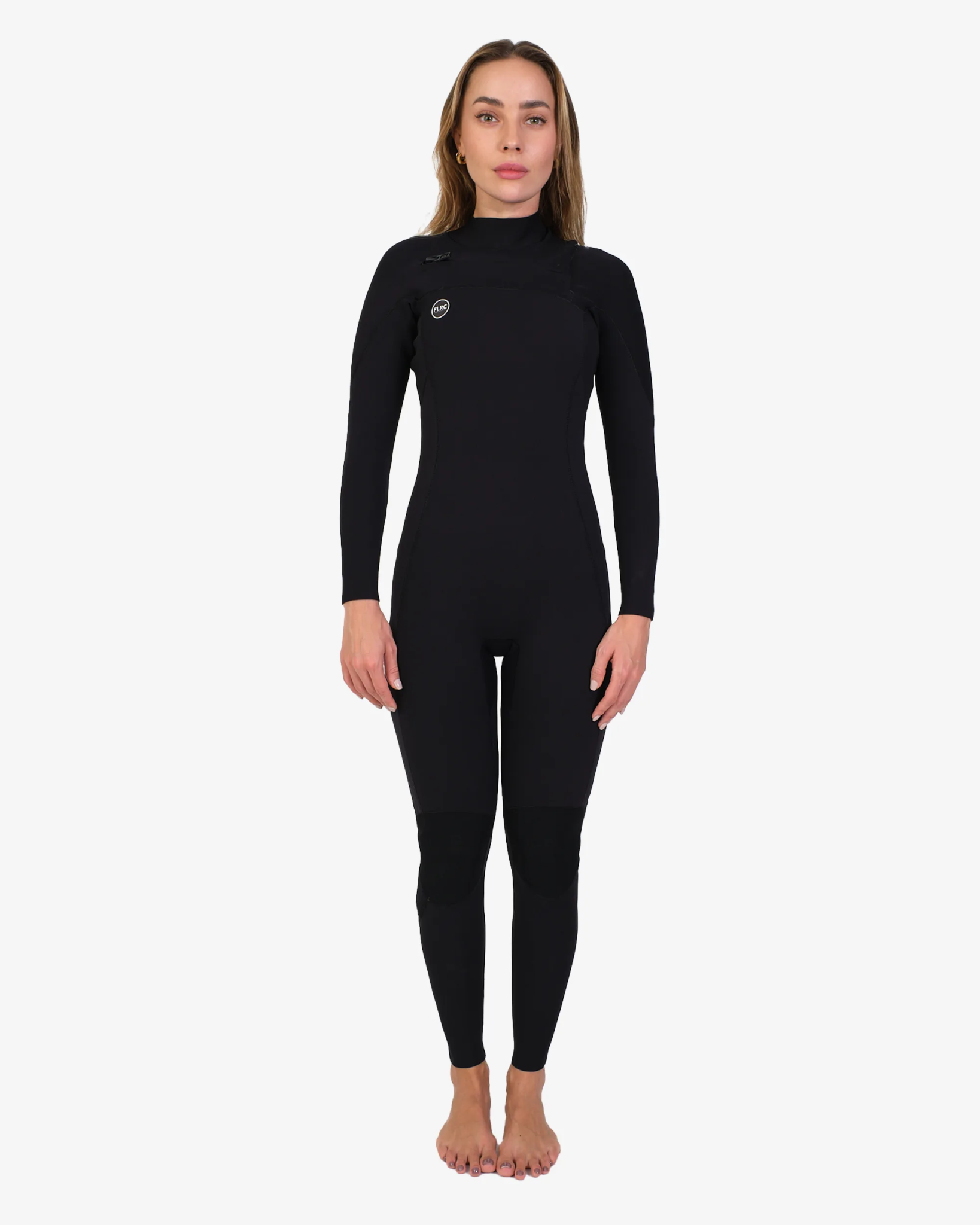
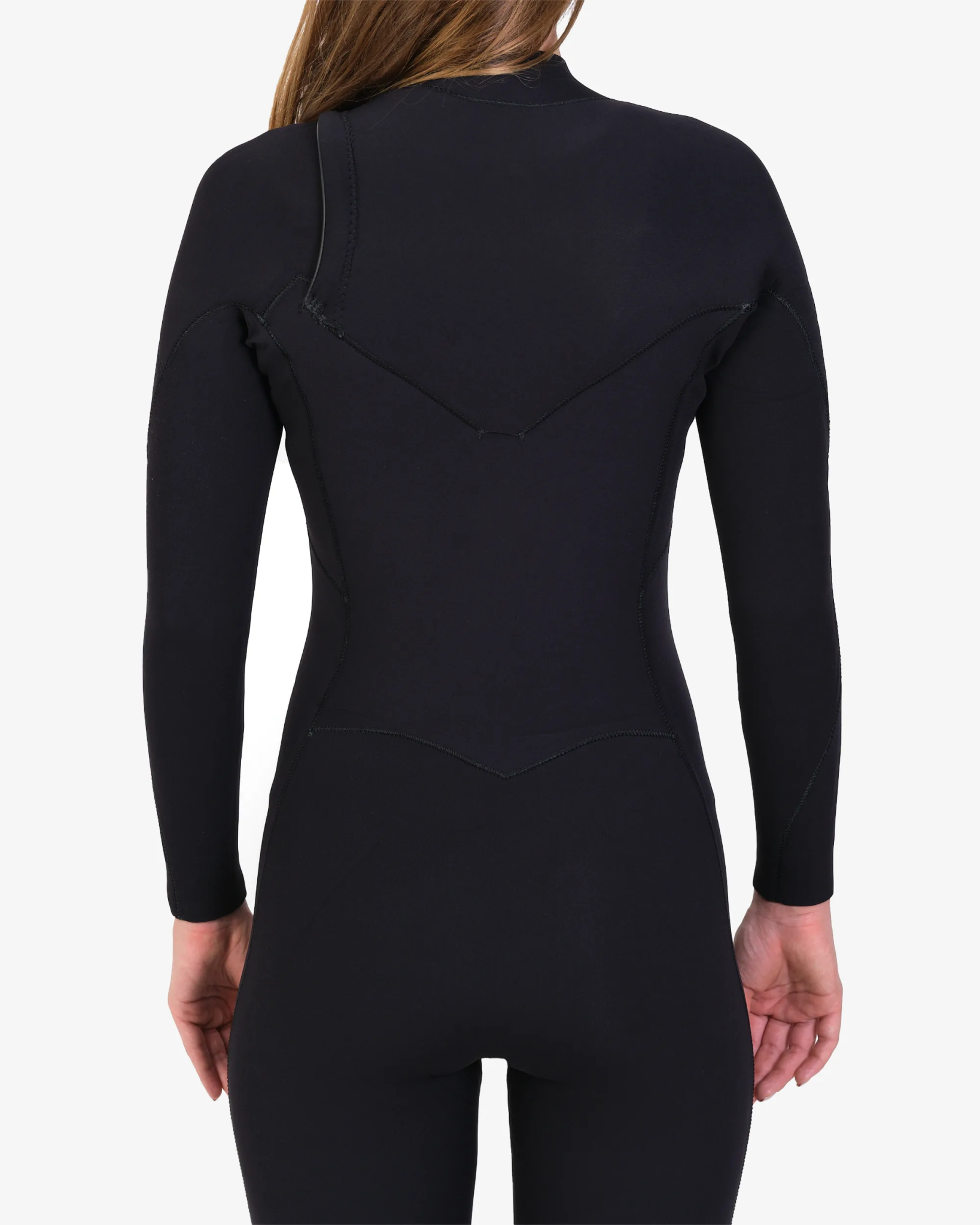
If you're in a shop, use the chance to check what a spec sheet can't show you. Run your finger along the seams: glued and blind-stitched (GBS) construction should feel flat and sealed, not raised or gappy, because a stitched-through seam that isn't glued lets water flush straight through the needle holes in cold conditions. Stretch a panel of the neoprene between your fingers; quality material springs back into shape without feeling stiff or brittle. Check the zip pull runs smoothly without catching, look over the kneepads and any reinforced panels for even stitching, and check the lining inside the chest and back panels. A brushed or thermal lining feels distinctly warmer to the touch than a plain jersey lining, and that matters heaps once you're out past the break in winter.
What wetsuit specs can you verify from an online listing?
A trustworthy online listing should tell you almost everything a shop visit would, just in writing. Look for panel thickness broken down by zone (for example 4mm chest and back, 3mm arms and legs, not just a single number), the seam construction method named explicitly (GBS, liquid taped or fully sealed), lining details, and a size chart built on actual body measurements, chest, waist and height, not just letter sizes. Our guide on what to look for in a wetsuit breaks down each of these specs in more detail if you want the full checklist before you buy. A clear returns and exchange policy matters too, since even a great size chart can't fully replace trying a wetty on.
What are the red flags of a bad wetsuit buy?
- No seam construction method stated anywhere in the listing or on the swing tag
- Sizing given only as S/M/L with no chest, waist or height measurements
- A price that looks low for the panel thickness and features claimed, with no explanation
- Stock photography only, no real product shots or customer photos
- No stated returns or exchange policy for online purchases
- Reviews that read as generic or can't be tied to a verified purchase
None of these alone is a dealbreaker. But if you spot two or three together, that's your cue to keep looking rather than risk your money on a wetsuit that won't hold up at Bells or Torquay in July.
Is buying online worth it for Victorian surfers?
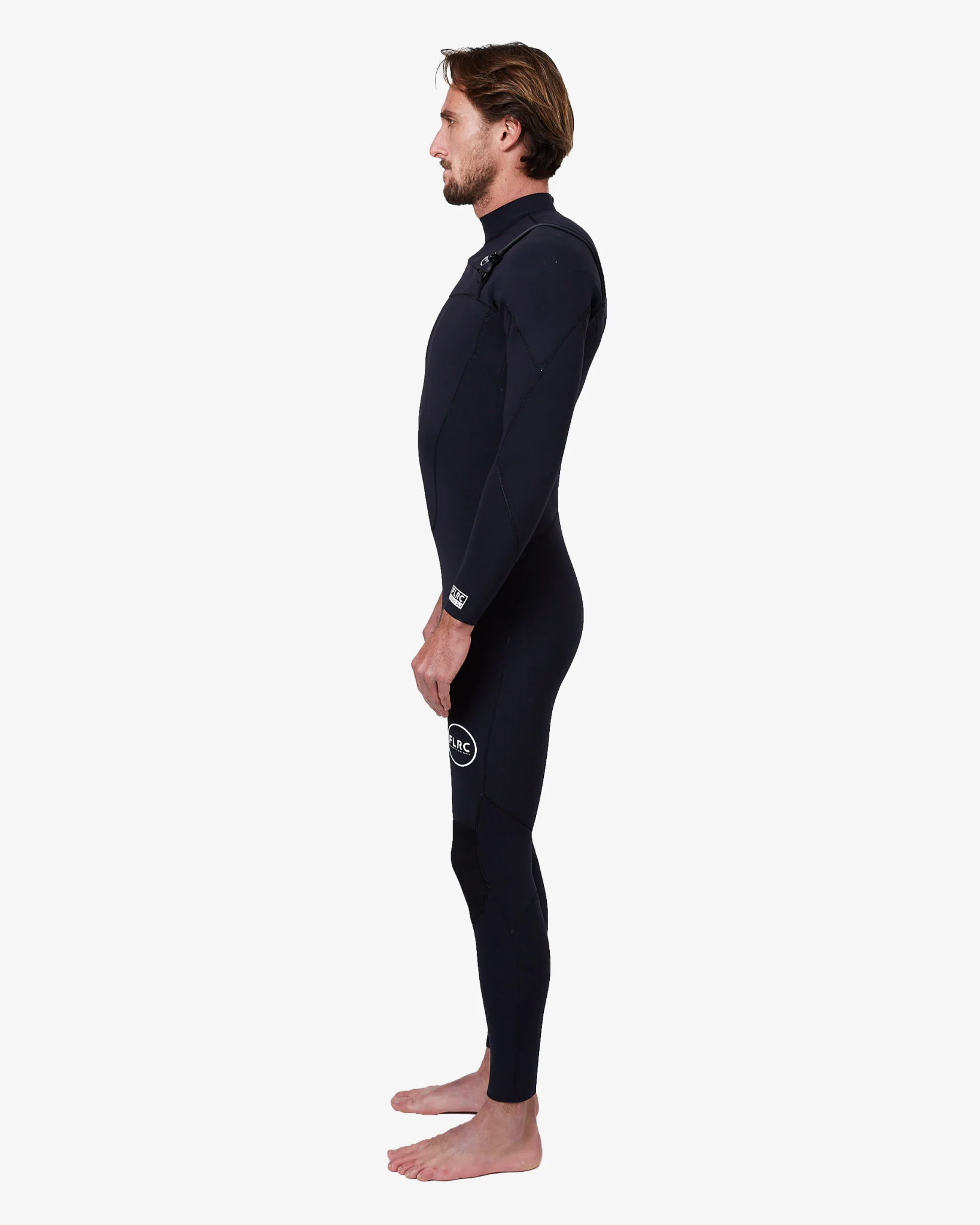
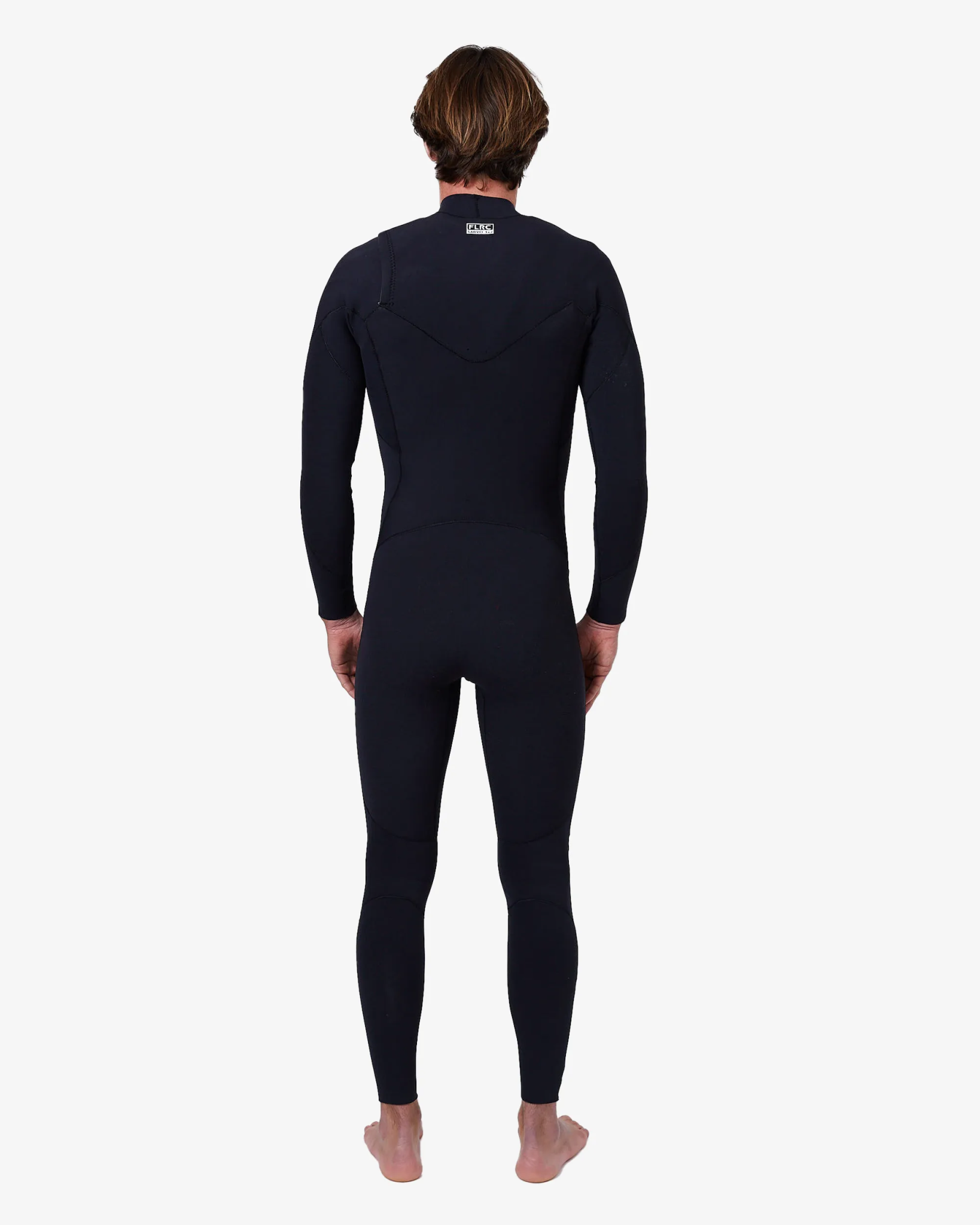
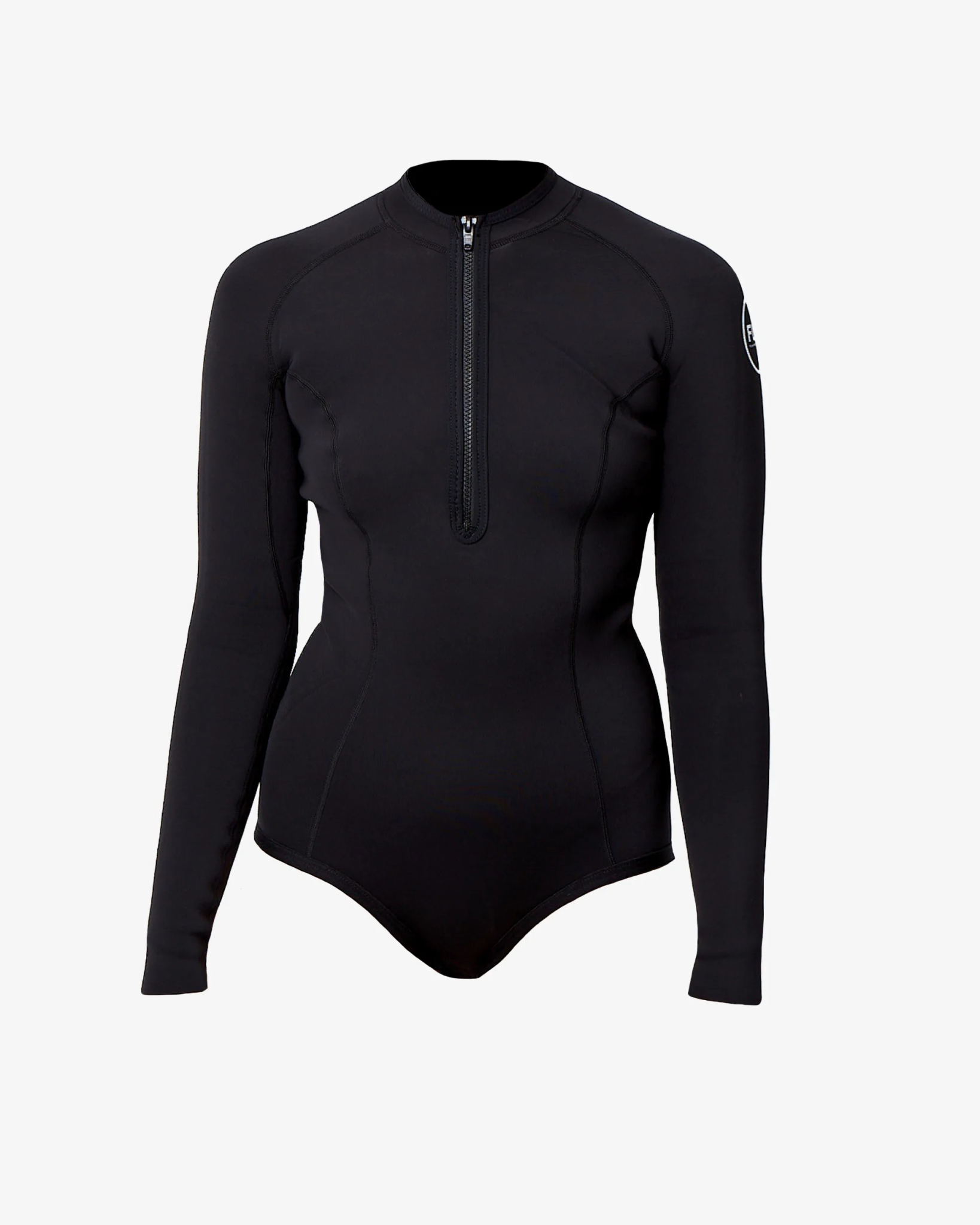
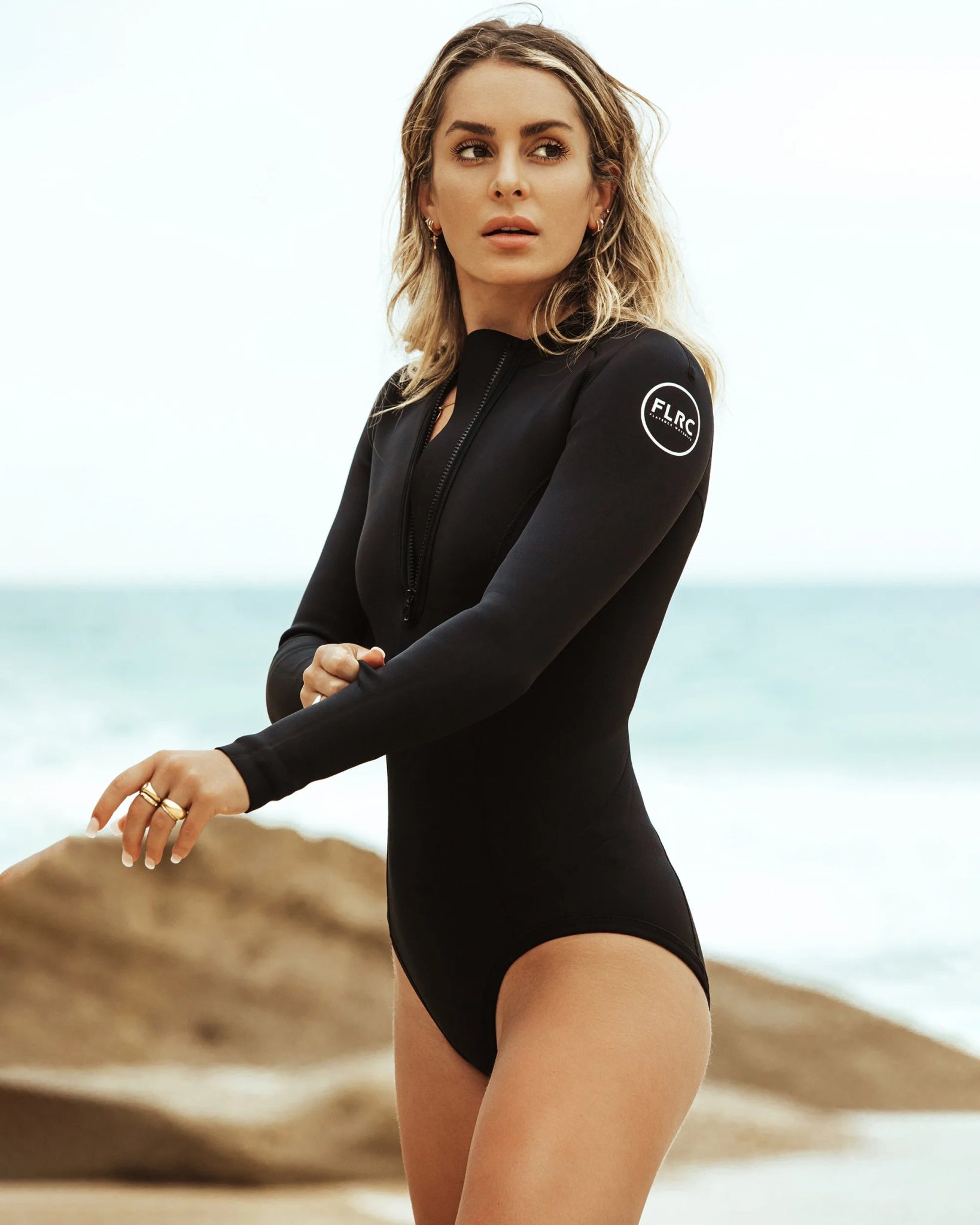
For Melbourne surfers, buying online is worth it as long as the seller gives you the same level of detail you'd get standing in a shop. Our range at Flatrock Surf publishes panel thickness, seam construction and a measurement-based size chart on every wetsuit listing, because we'd rather you buy the right wetty once than send back the wrong one after your first cold sesh. If you're shopping for yourself, our men's wetsuits and women's wetsuits collections cover the range, and our featured collection is a good starting point if you're not sure where to look first. For a broader read on what separates a well-built wetsuit from a cheap one, our wetsuit guide for surfers is worth a read before you buy, especially now in the depths of winter 2026 with the Surf Coast running at its coldest.
Frequently asked questions
What wetsuit thickness do I need for Bells Beach and Torquay in winter?
Our wetsuit thickness guide recommends a 4/3mm wetsuit as a baseline for Victoria's surf coast, moving up to 5/4mm with boots and gloves once winter water temperatures drop toward the bottom of the 12-18°C range.
Can I buy a wetsuit online without trying it on first?
Yes, as long as the seller publishes a size chart based on real body measurements rather than just S/M/L, and offers a clear returns or exchange policy in case the fit's off.
What does GBS mean on a wetsuit listing?
GBS stands for glued and blind-stitched: a seam construction method where the panels are glued first, then stitched without the needle fully piercing through. That's what cuts down on water flushing through the seam in cold conditions.
Are Melbourne surf shops better than buying wetsuits online?
Local shops let you check seams and fit in person before walking out the door with your wetsuit, but stock is limited to whatever's on the rack. Buying online gives you access to the full size and thickness range, provided the seller actually lists detailed specs.
What's the biggest red flag when buying a wetsuit online?
Missing seam construction details, that's the biggest one. If a listing doesn't say how the seams are built, glued and blind-stitched, taped or otherwise, there's no way to judge whether it'll hold up in cold Victorian water.