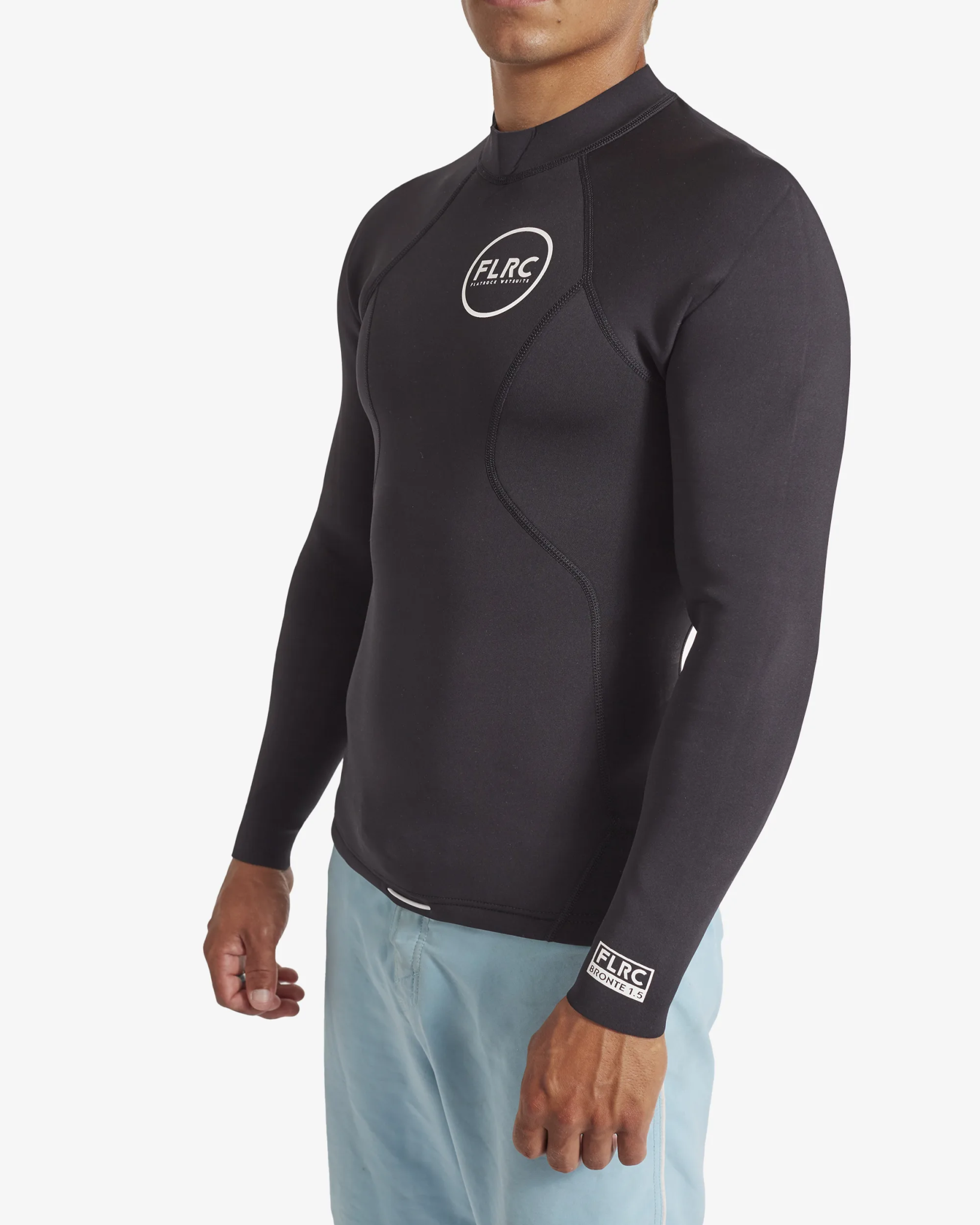
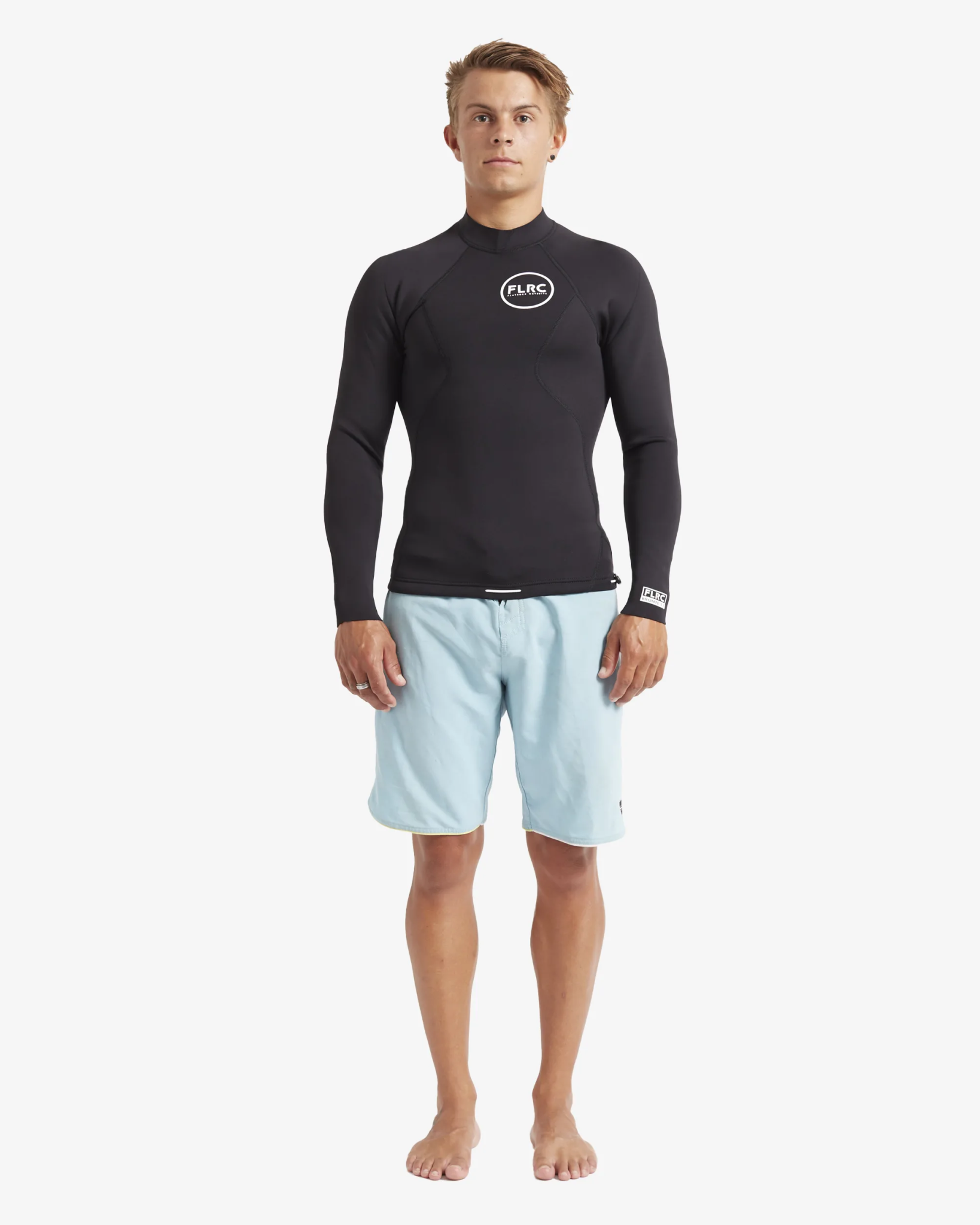
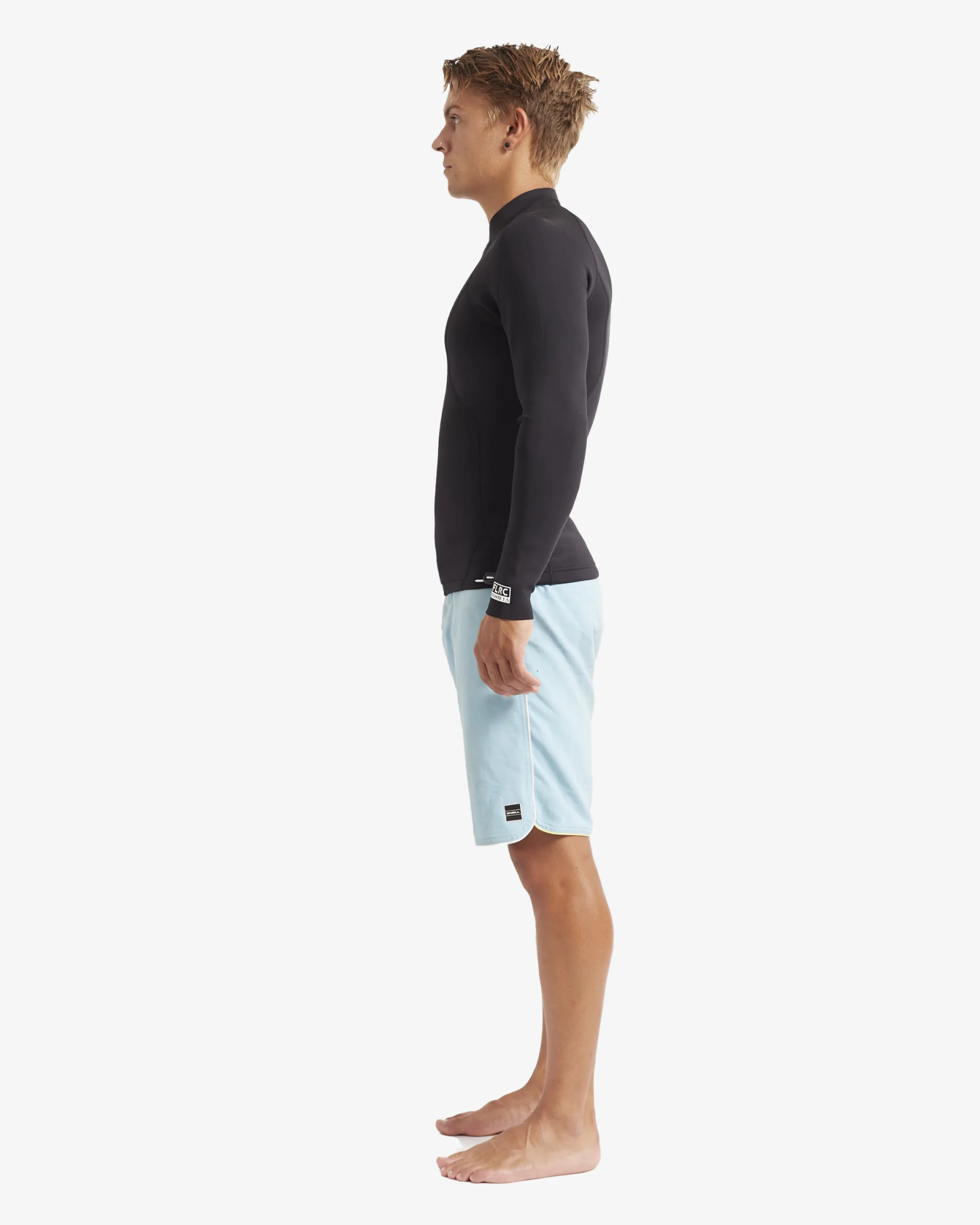
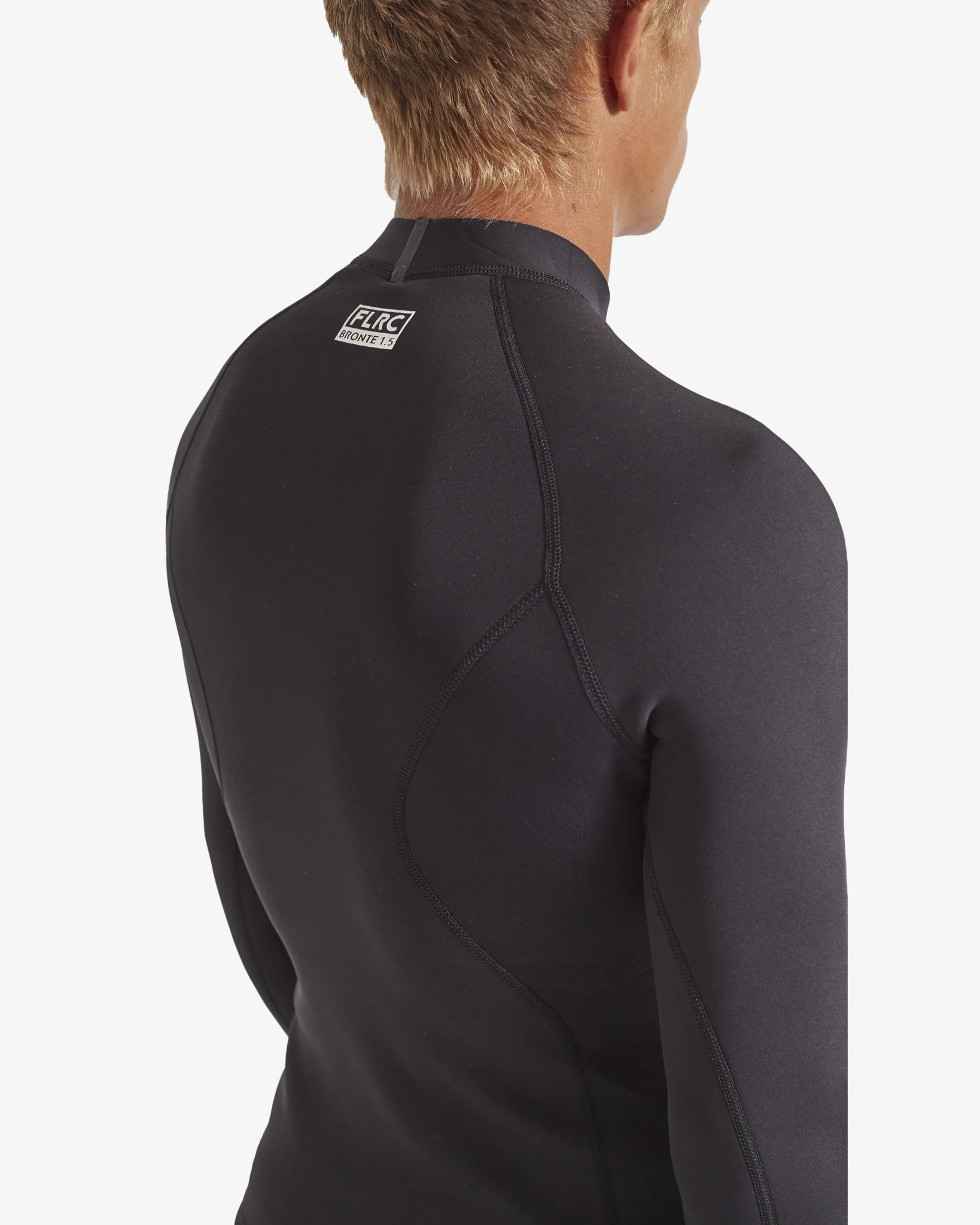
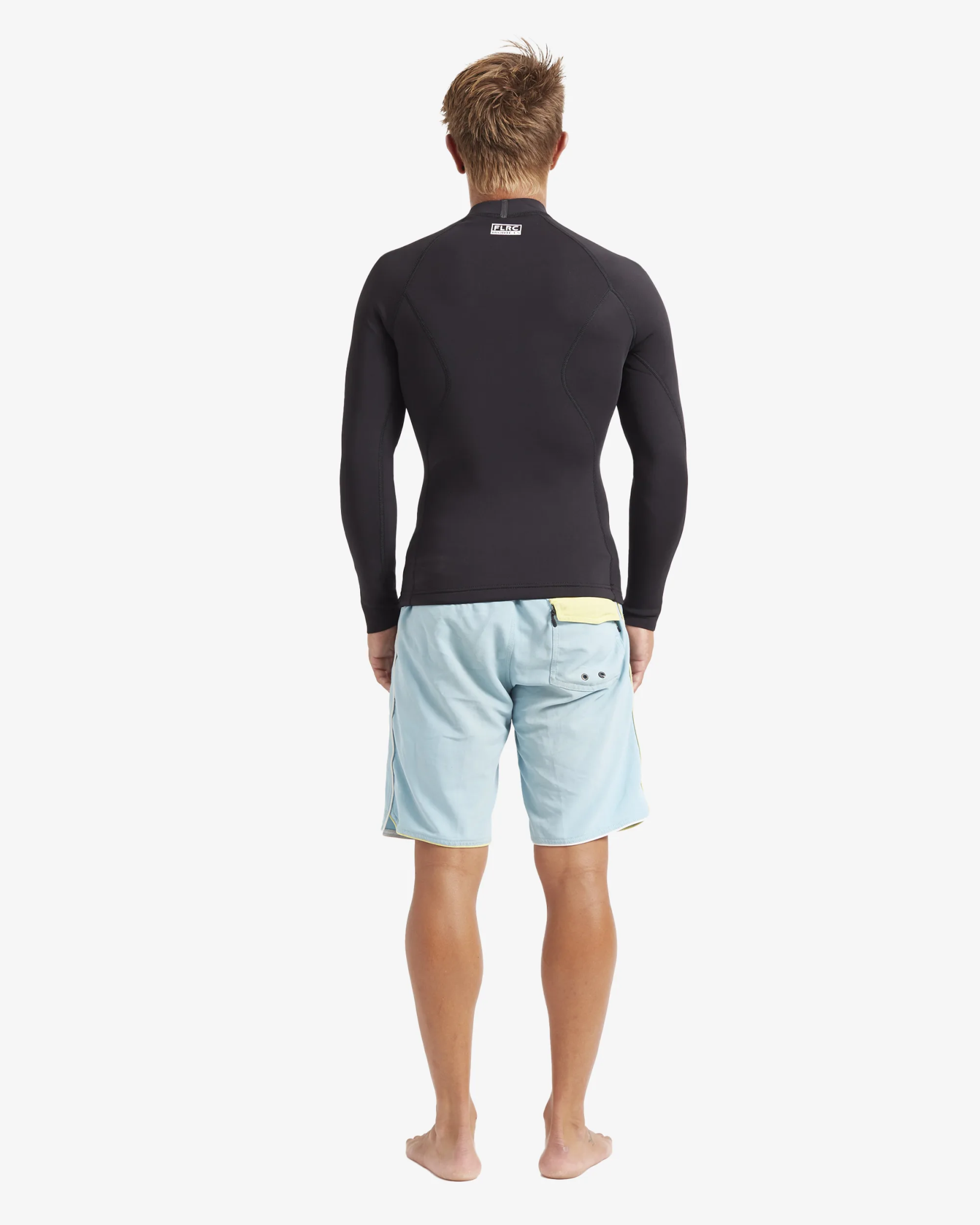
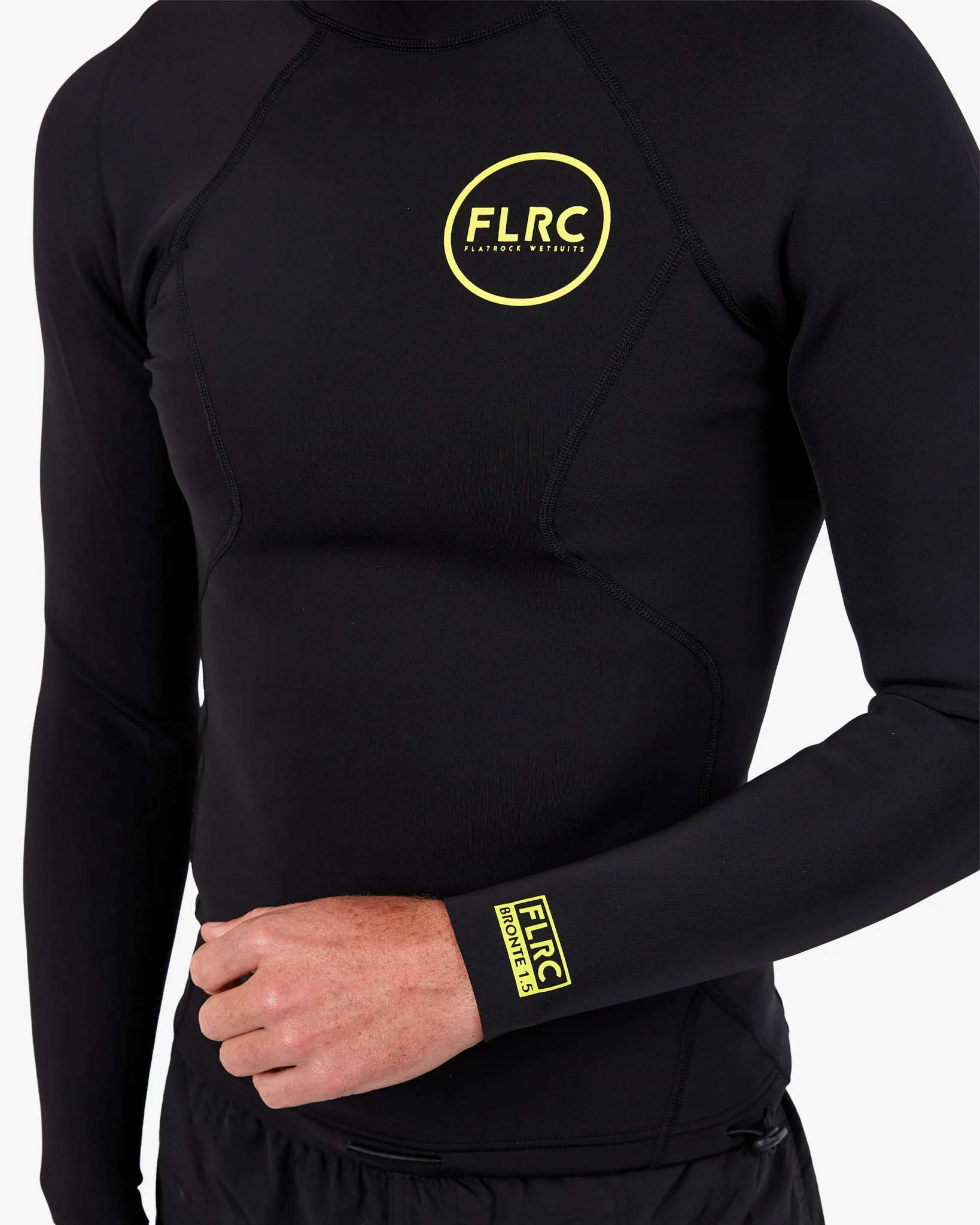
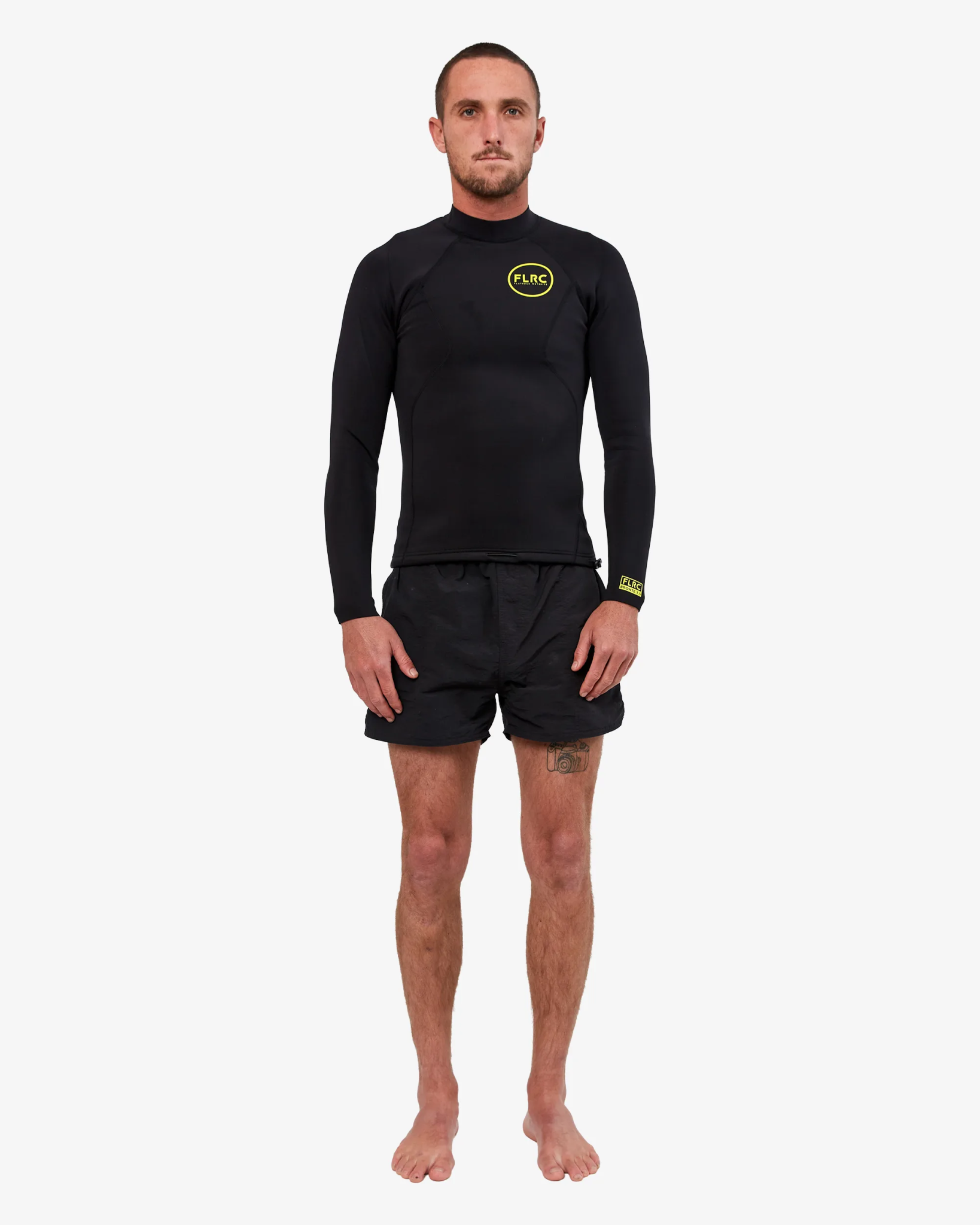
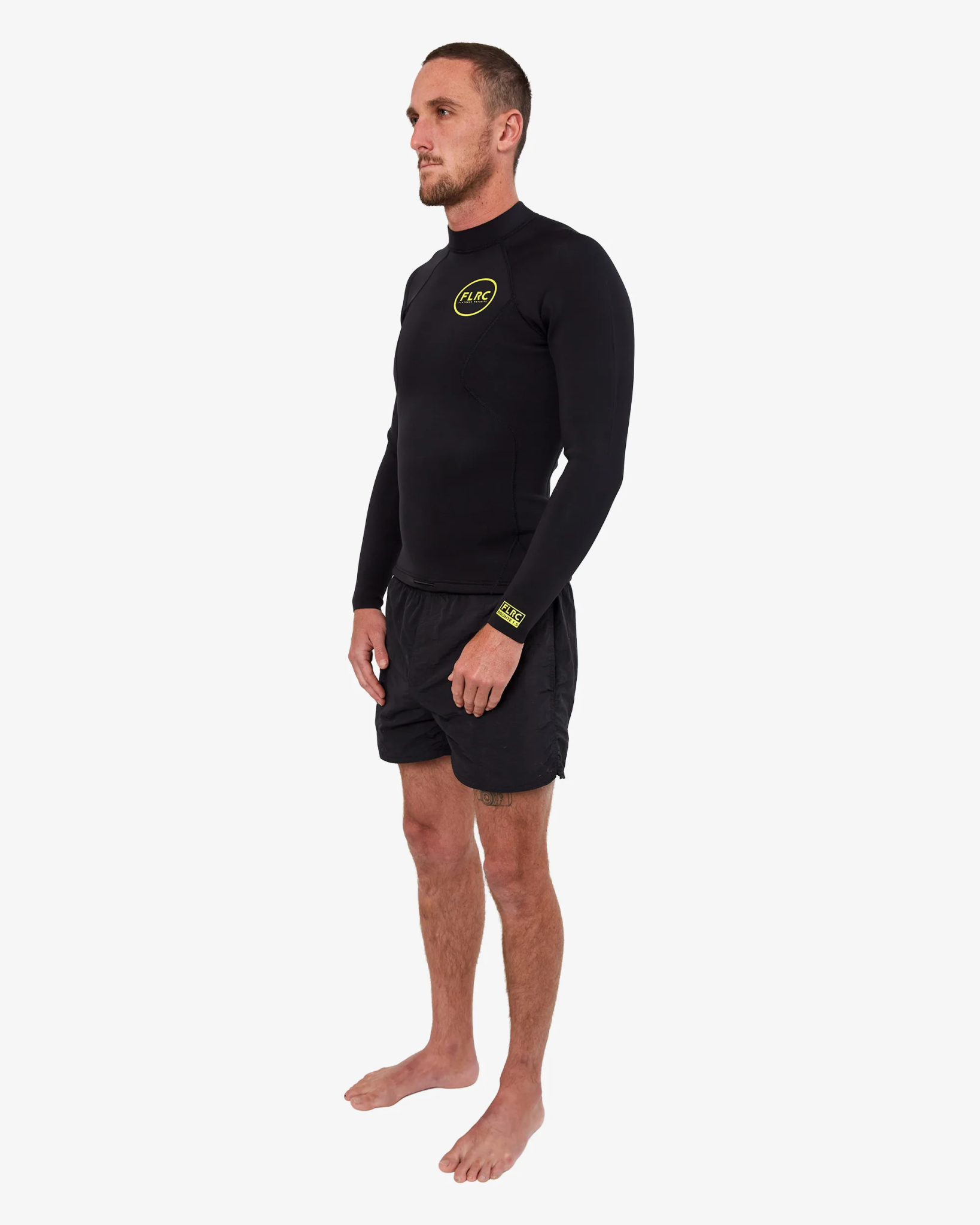
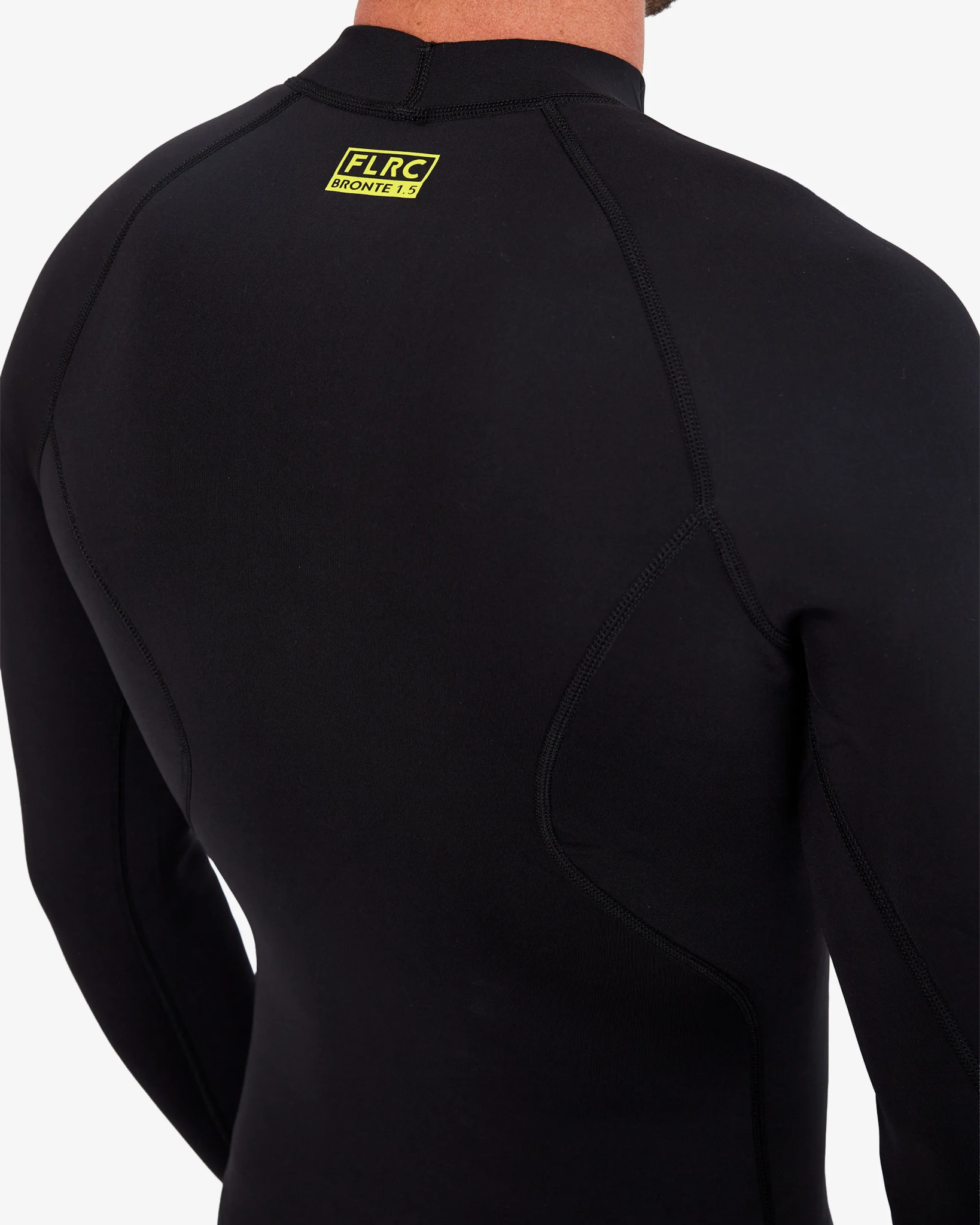
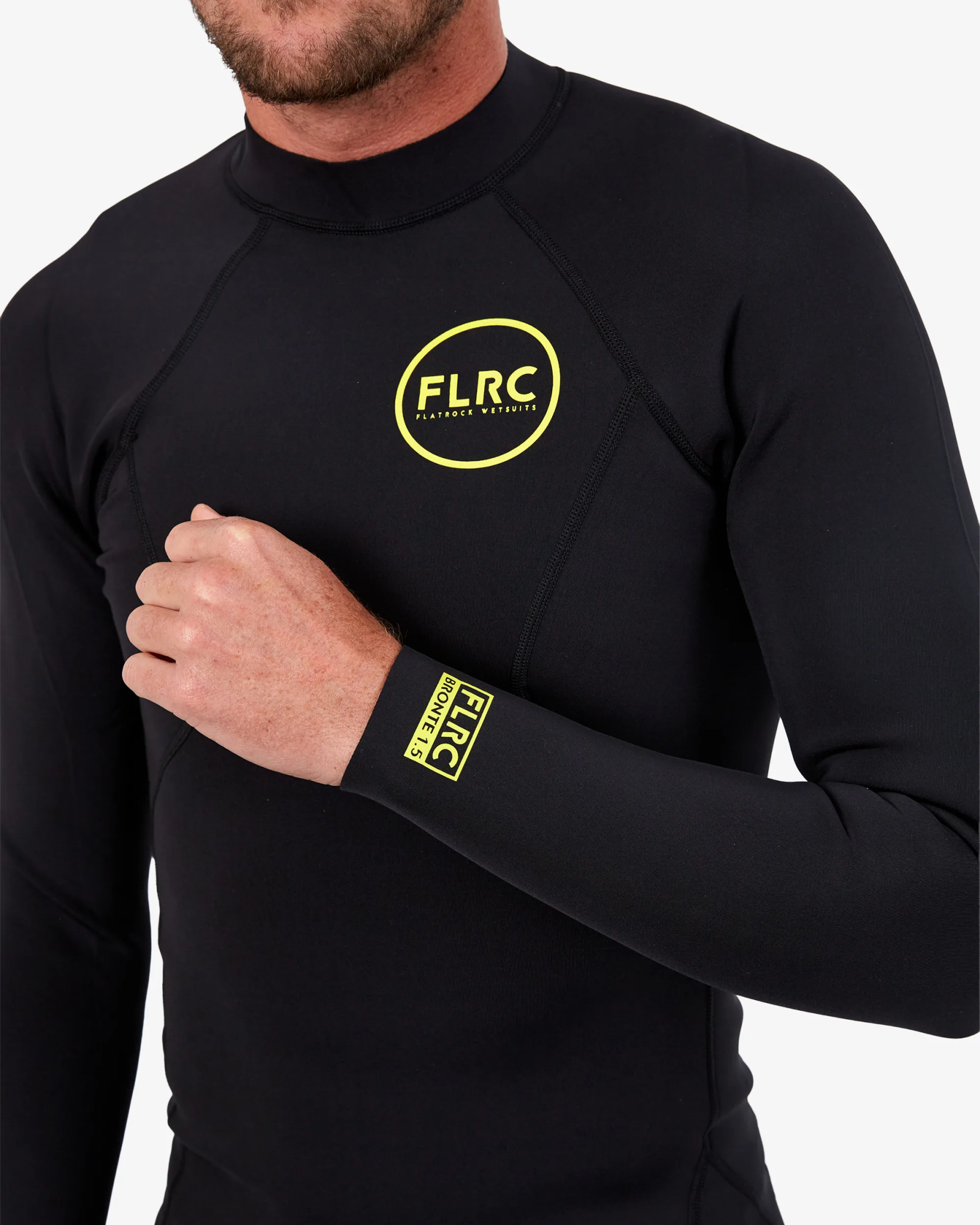
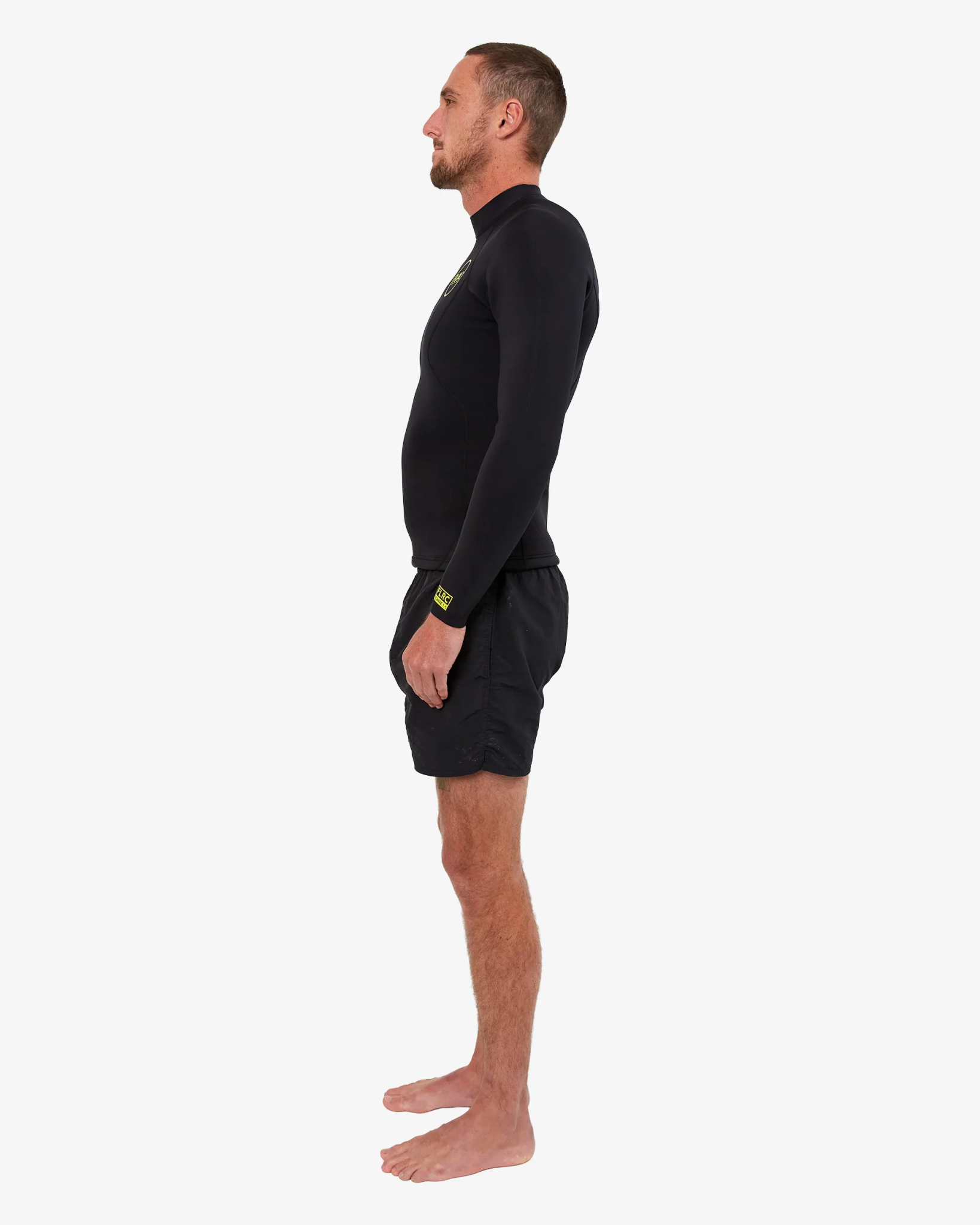
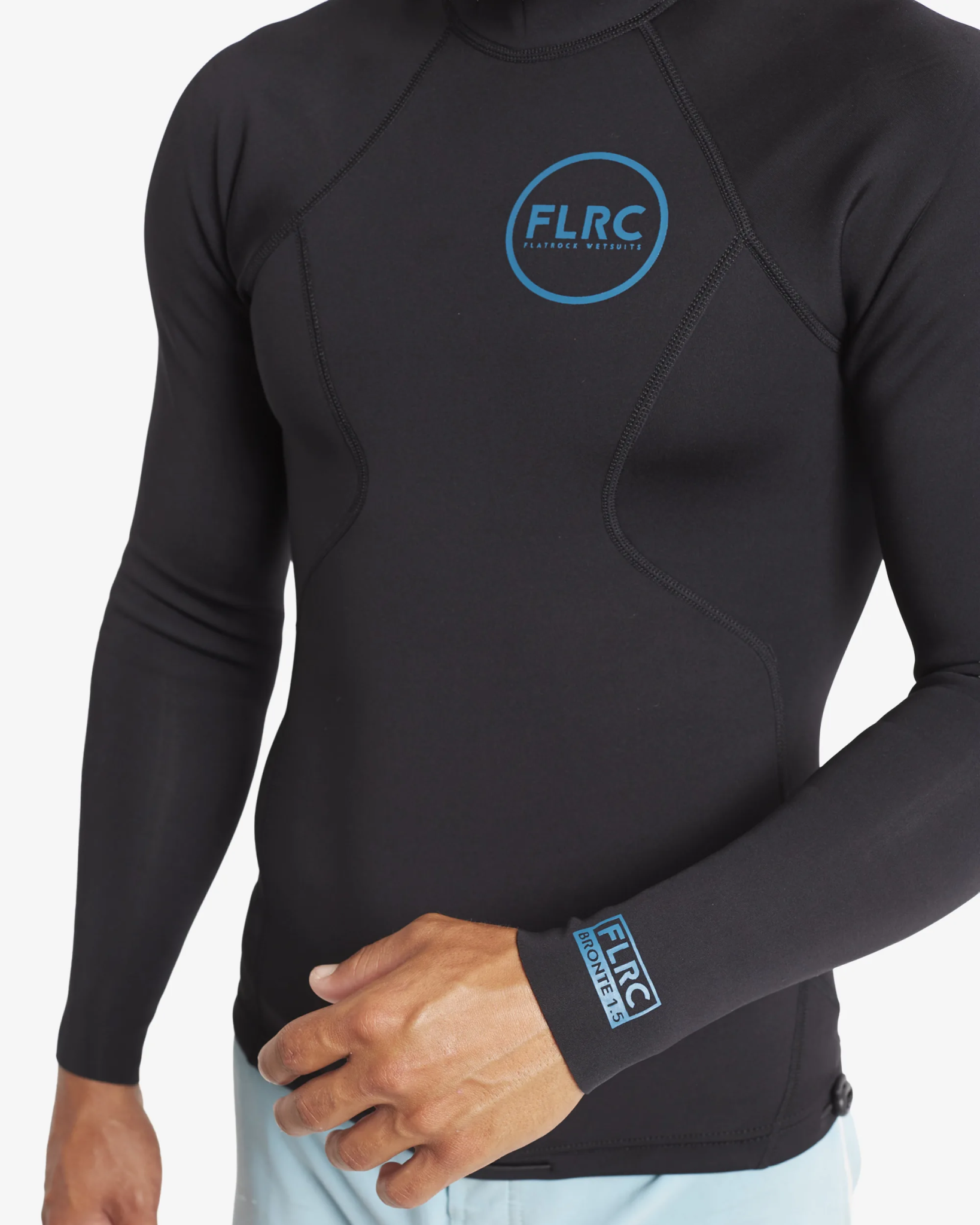
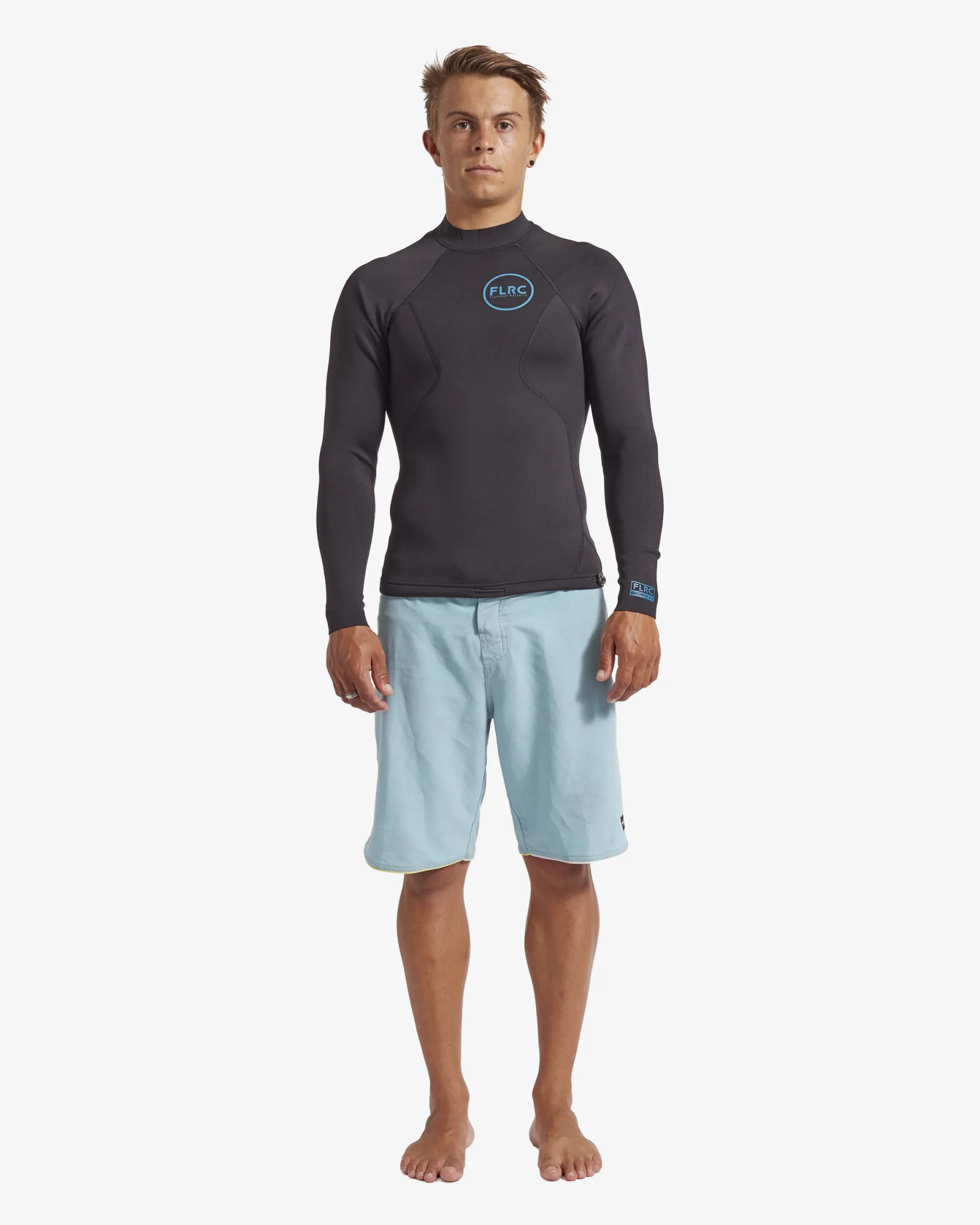
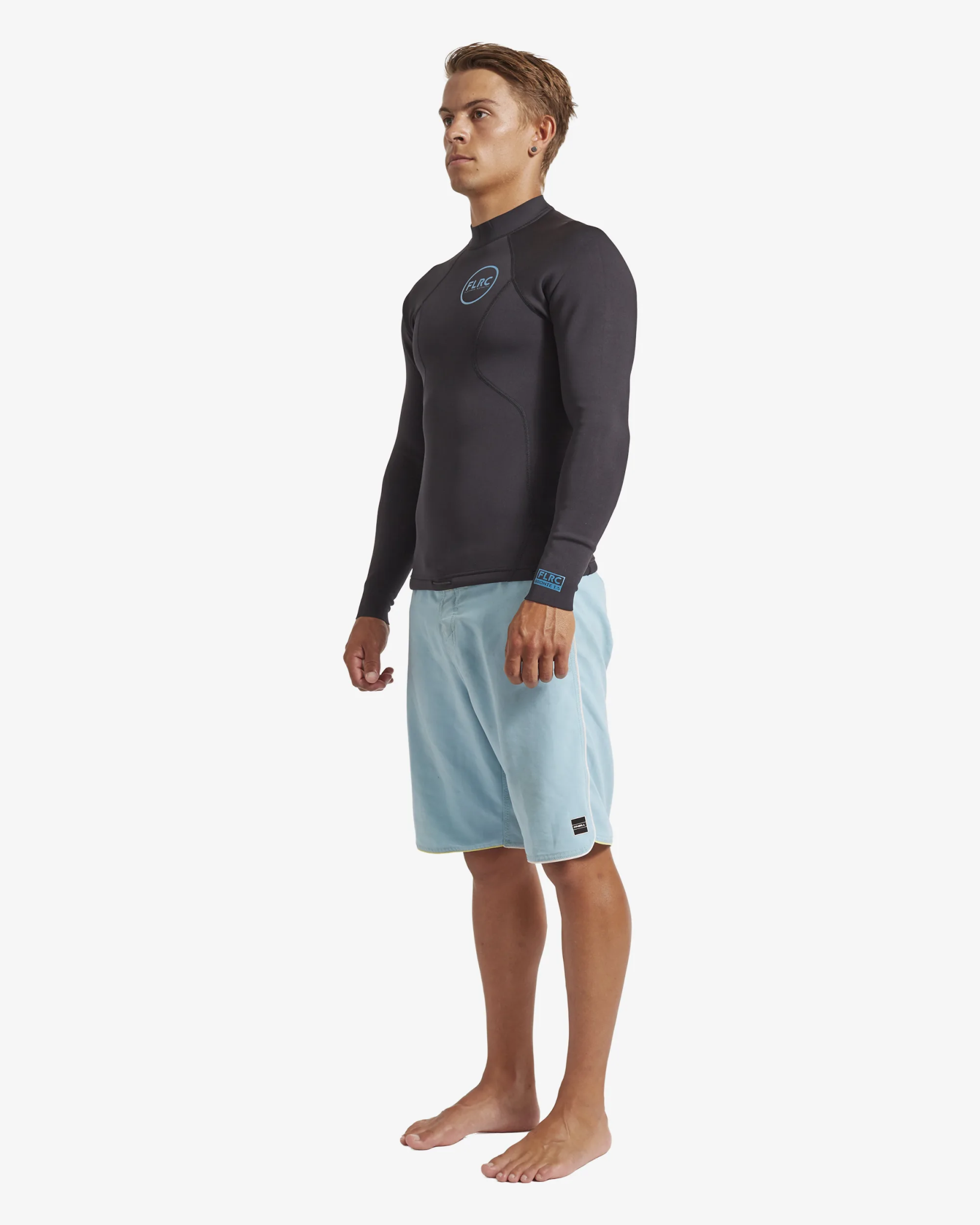
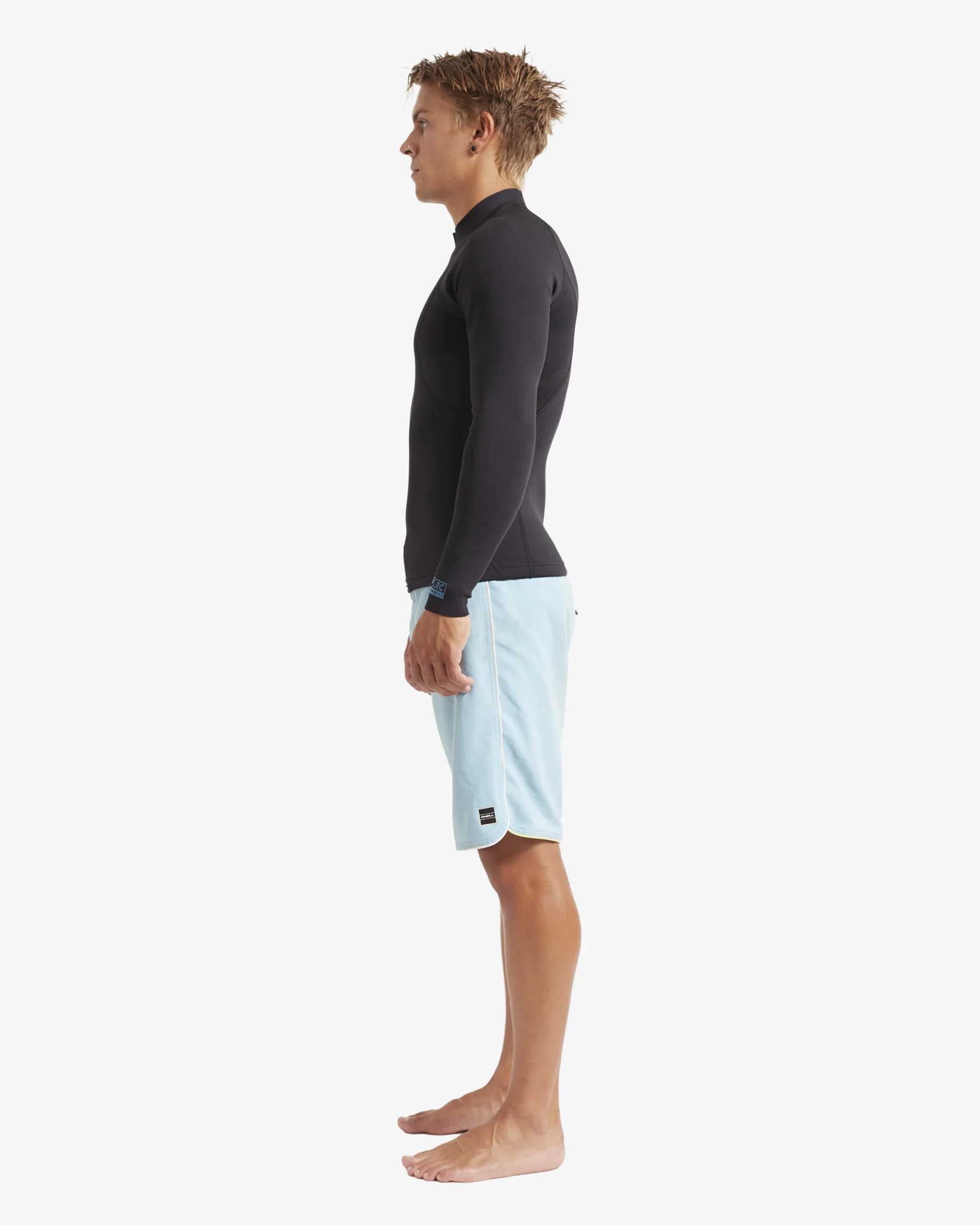
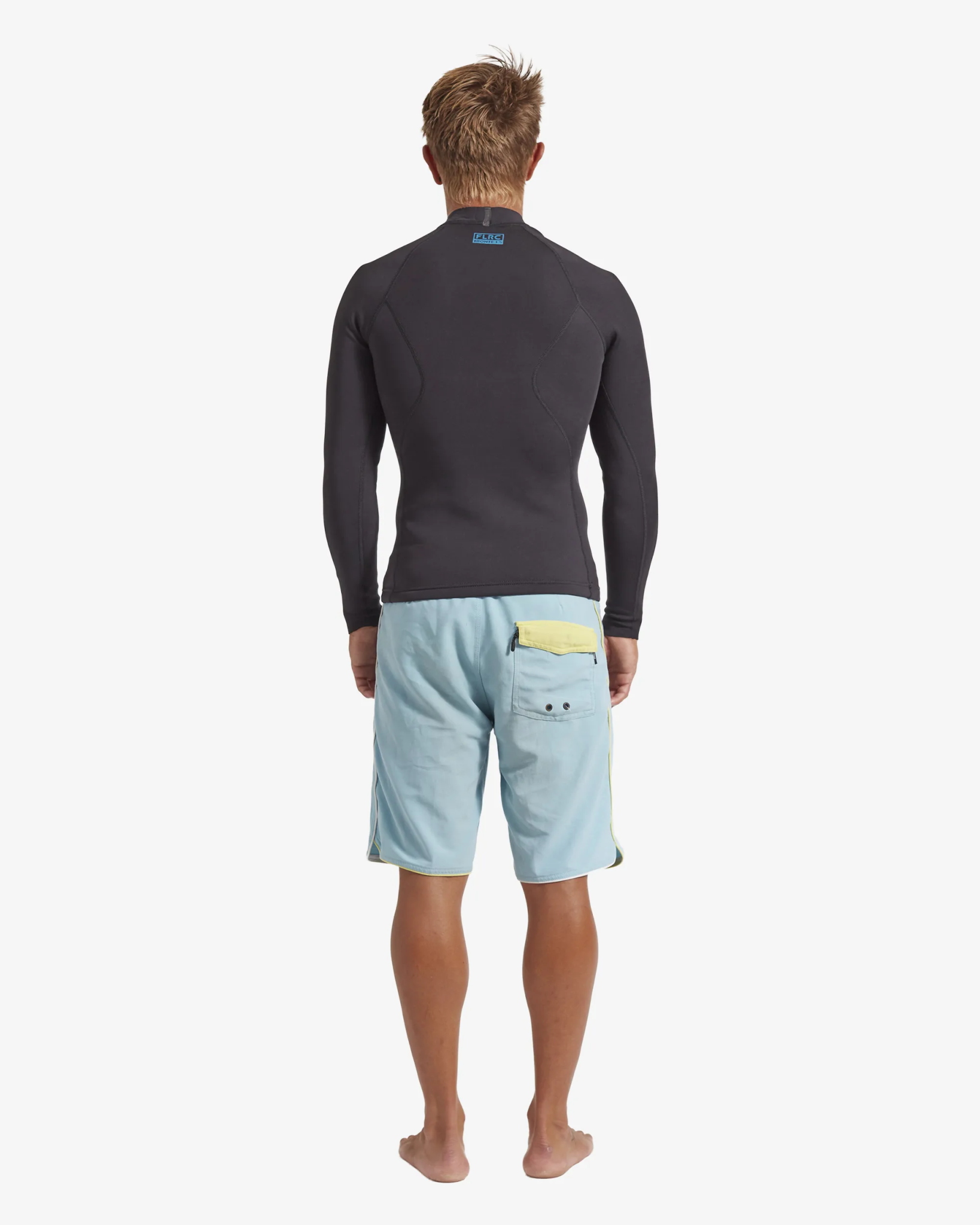
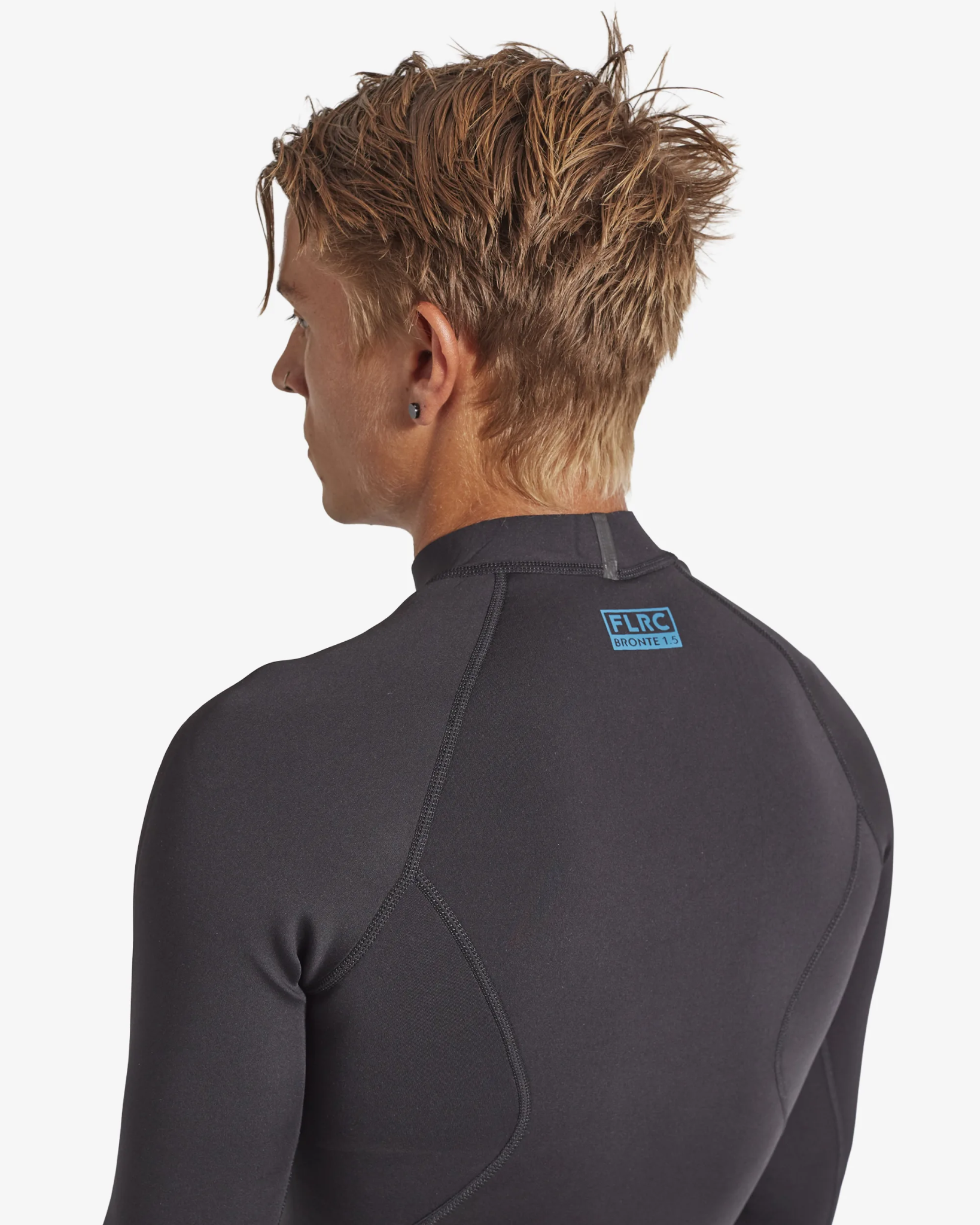
A sticking, squeaking or seized wetsuit zip is almost always caused by dried salt, sand or old lubricant trapped in the teeth or coil, and a fresh water rinse plus the right lubricant fixes most cases in minutes. At Flatrock Surf, we reckon the zip is the most overlooked part of a wetty. It's the hardest-working moving part on the suit, it copes with more sand and salt than anything else you own, and it's usually the first thing to fail, long before the neoprene itself wears out. This guide skips the drying and smell tips you've read a hundred times and goes straight at the zip: why it seizes, how to fix it yourself, and when to stop DIY-ing and get it looked at properly.
What causes a wetsuit zip to stick, squeak or fail?
Three things wreck a wetsuit zip: salt crystals, sand, and dried-out lubricant. Salt water evaporates and leaves fine crystals behind in the teeth or coil, and those crystals act like sandpaper every time you pull the slider through. Sand does similar damage, wedging between the teeth and scoring the coating off metal teeth or grinding into plastic coil. Squeaking is usually the early warning sign: it means the zip is running dry and starting to grind rather than glide. Left long enough, that grinding wears down the teeth, loosens the slider, or splits the tape the zip is stitched to, and at that point you're looking at a repair rather than a clean.
Back-zip, chest-zip or zip-free: how does entry style affect flush and warmth?
How you get in and out of your wetsuit has a direct effect on how hard the zip works and how warm the suit runs. There are three main entry systems, and each makes a different trade-off between ease of entry, water flush and warmth.
Back-zip entry
Best for: surfers who want the easiest suit to get in and out of on their own.
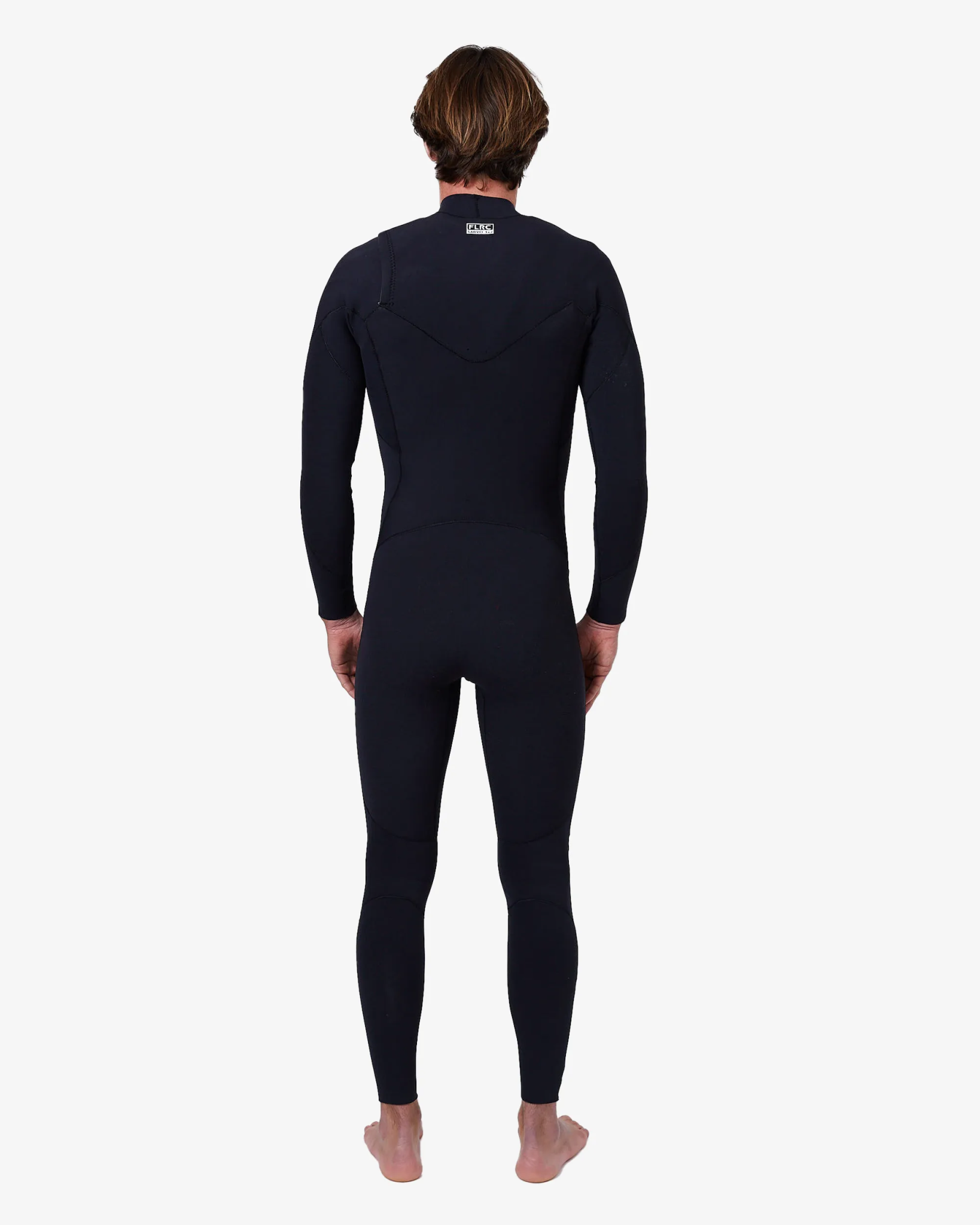
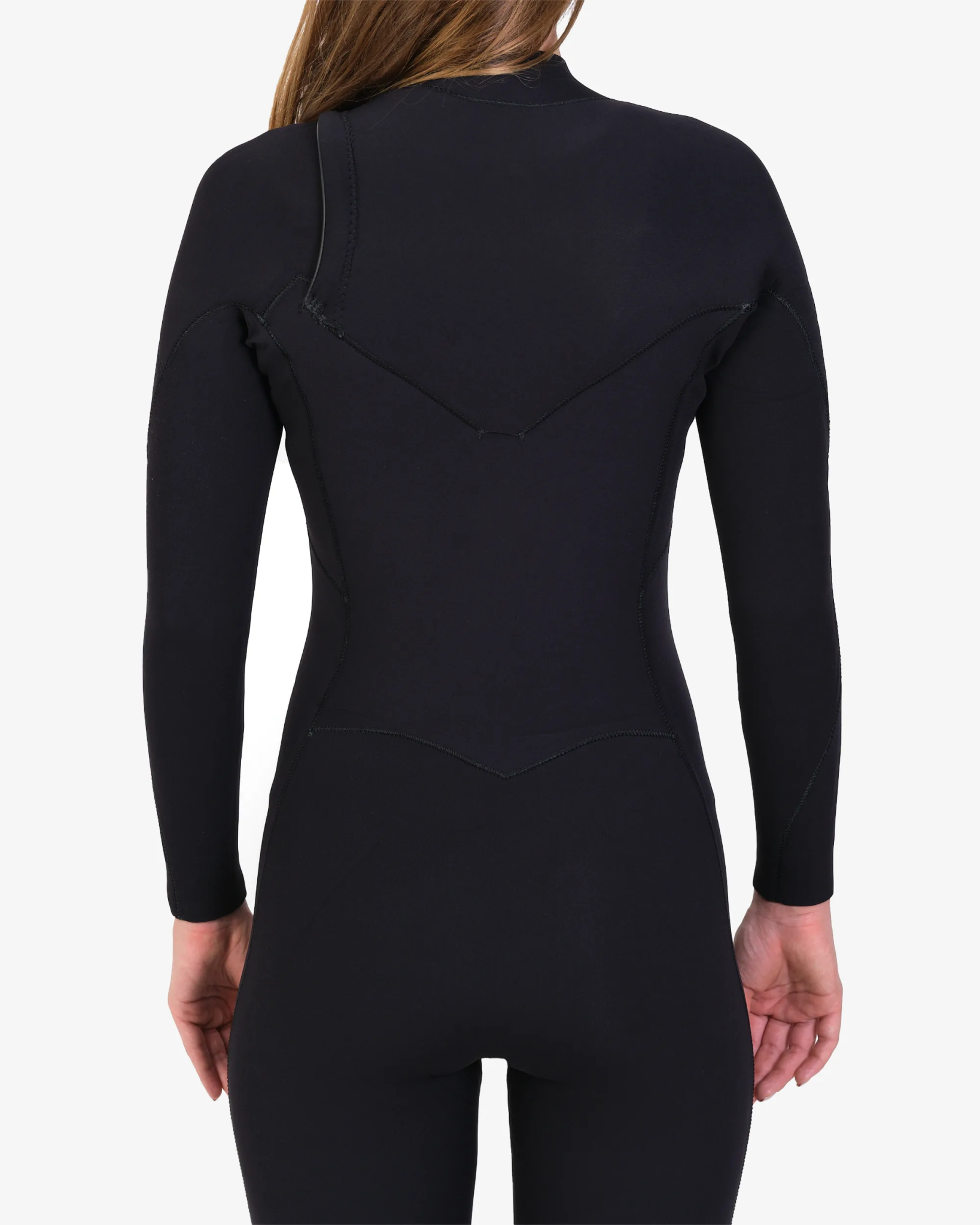
A back-zip runs horizontally across the shoulder blades, usually with a long pull cord so you can do it up yourself. It's the simplest system to use, but it's also the leakiest: a straight zip seam sitting right across your upper back means a small amount of water flushes in and out as you paddle and duck-dive. That flush is what makes back-zip suits feel slightly cooler than the alternatives, and it's also what exposes the zip to the most direct hit of salt and sand every sesh.
Chest-zip (front-zip) entry
Best for: surfers who want a warmer suit and don't mind a slower change.
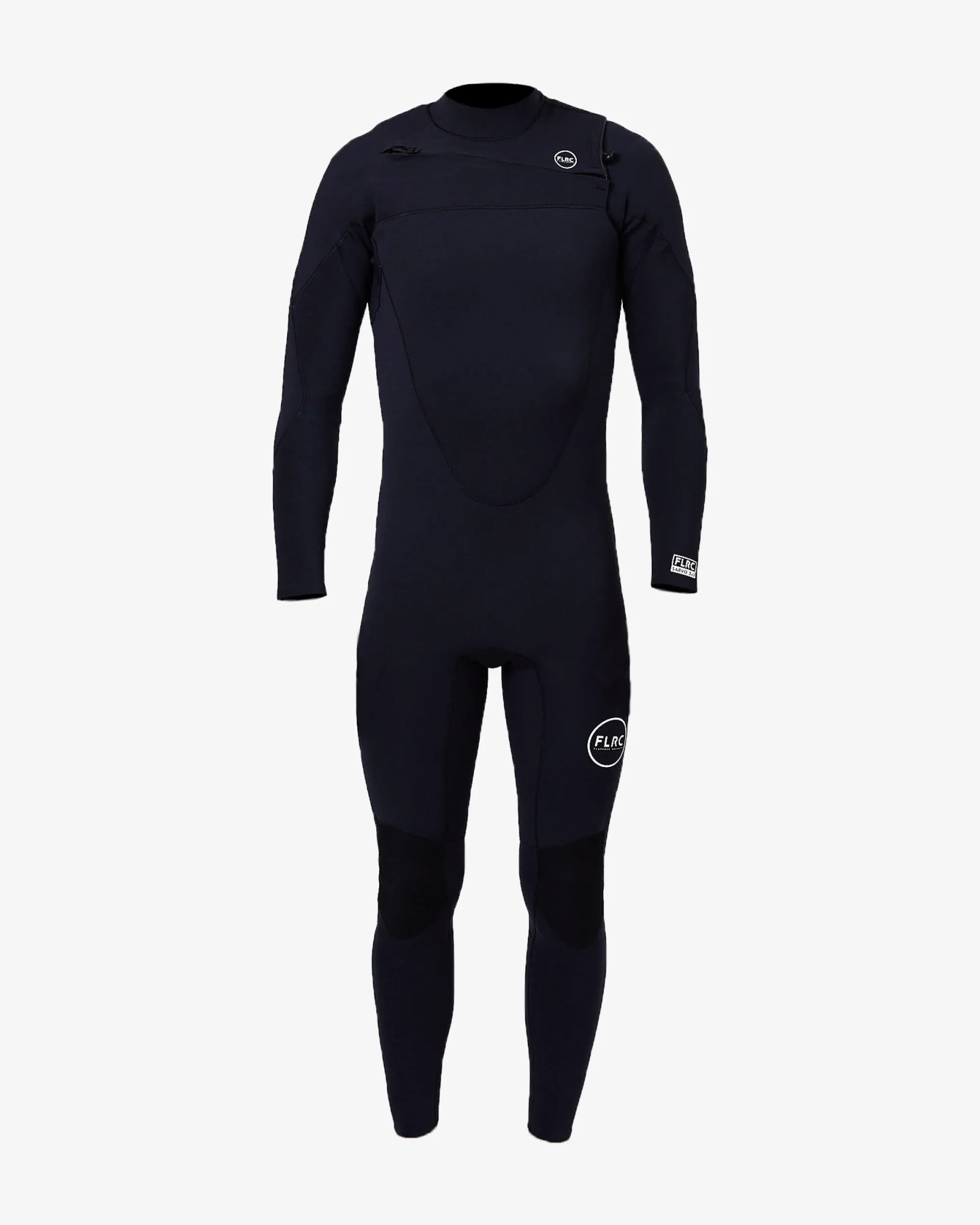
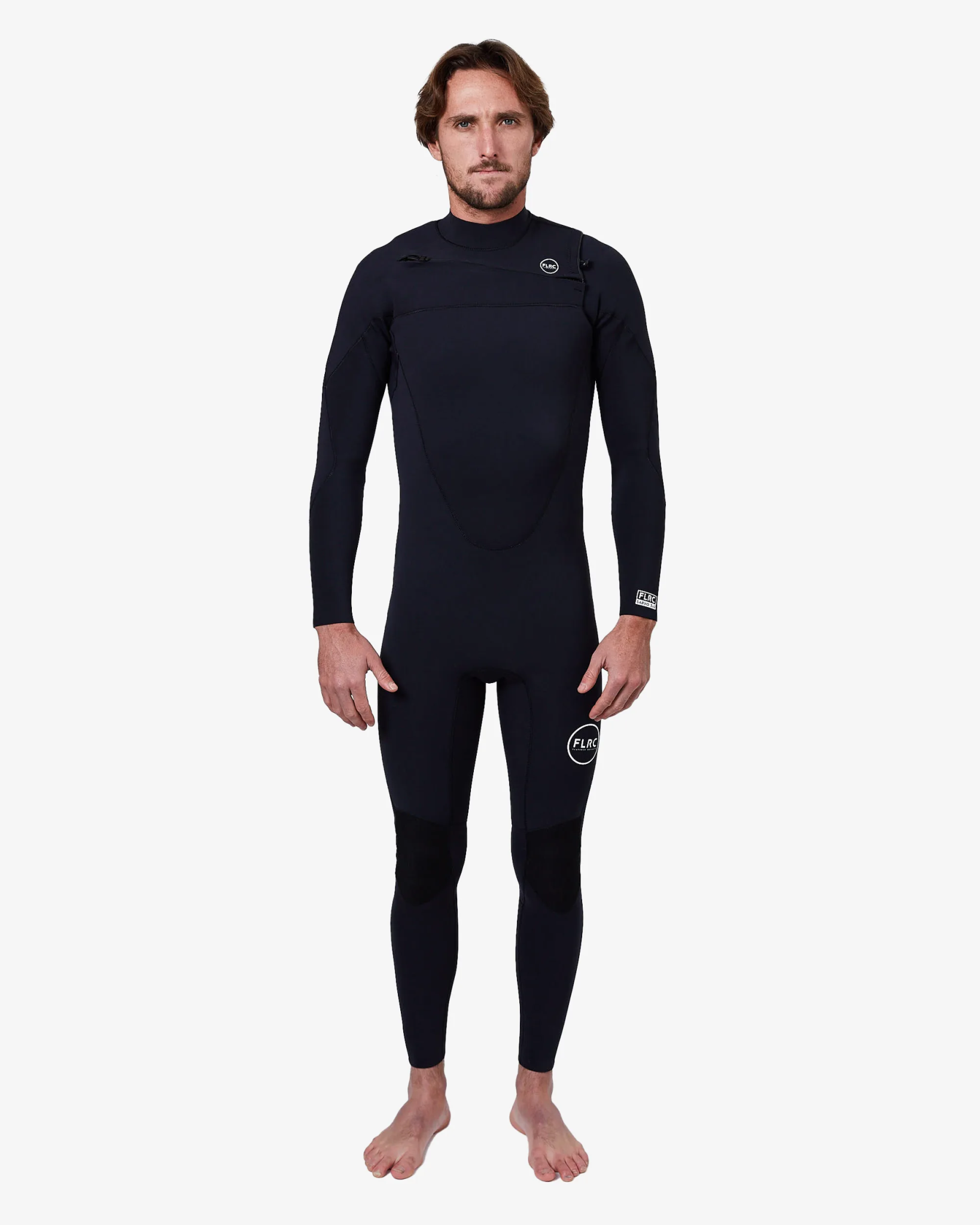
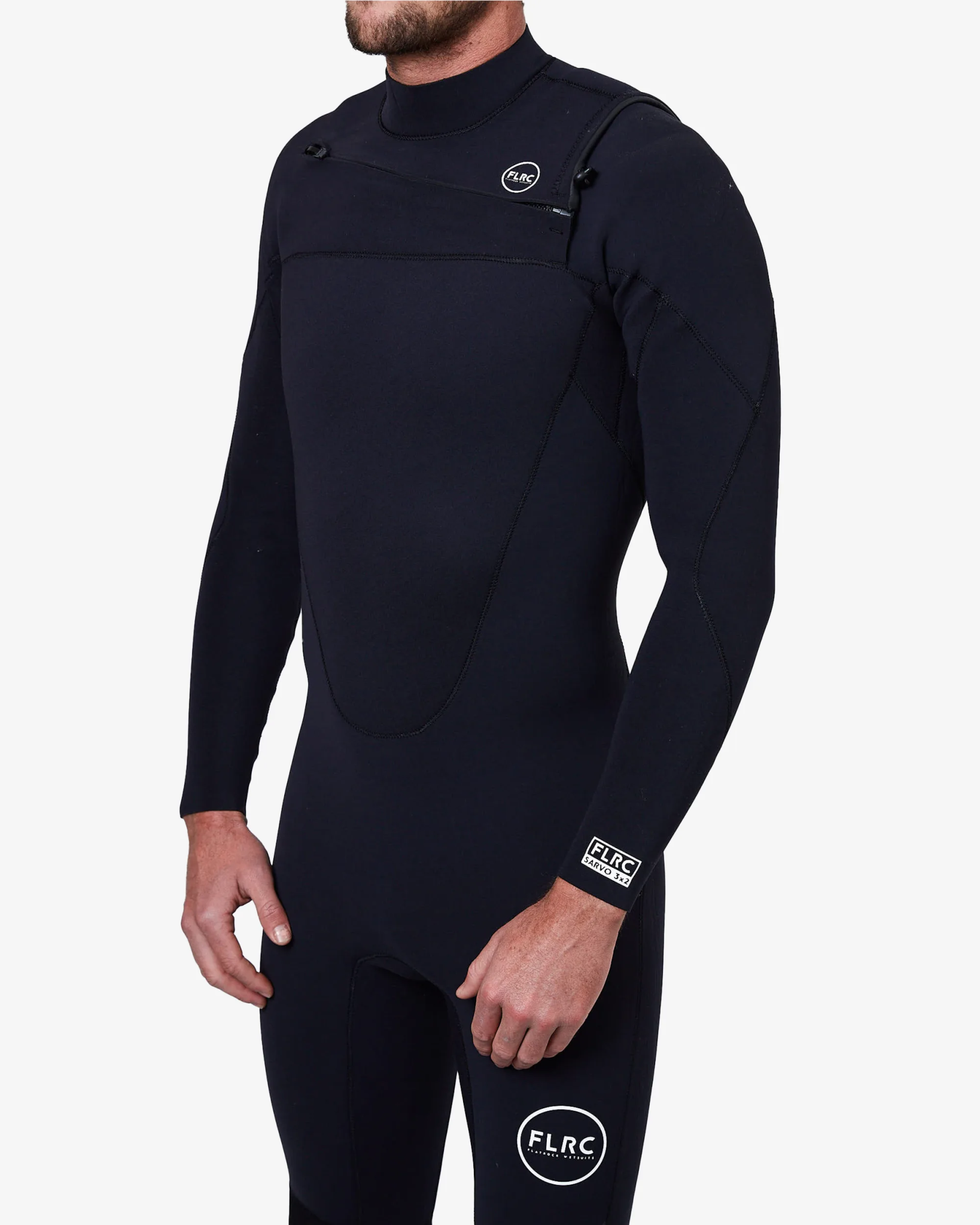
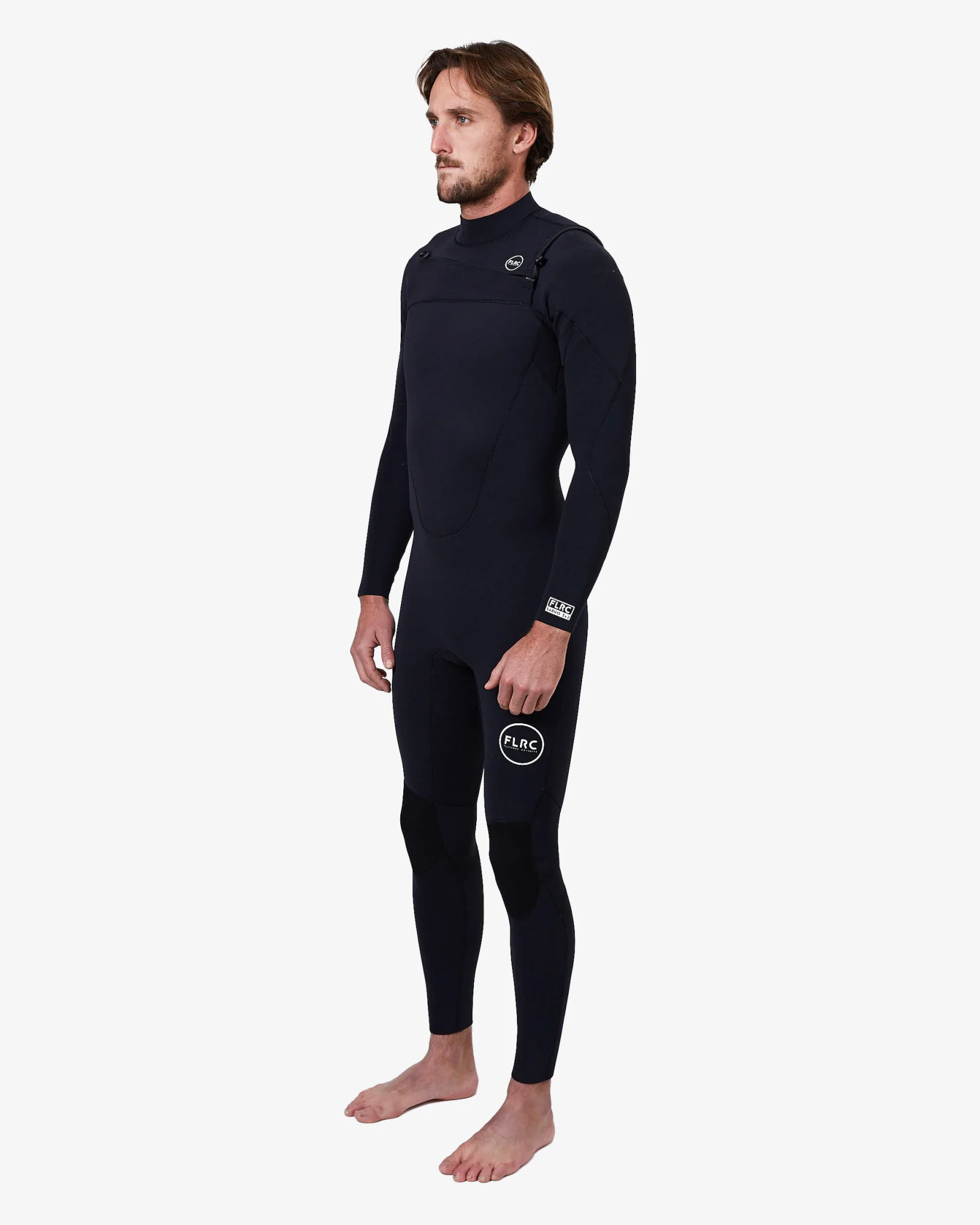
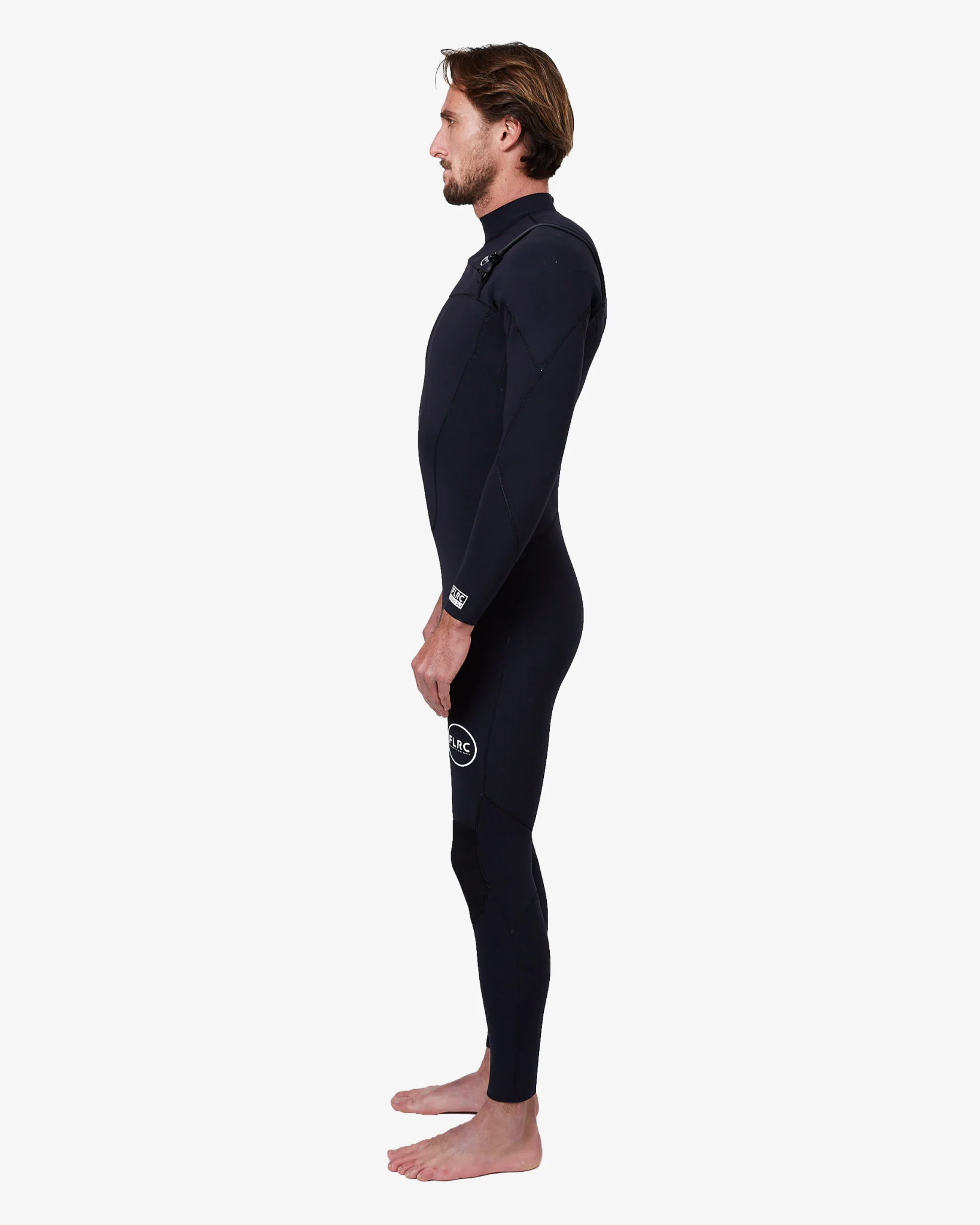
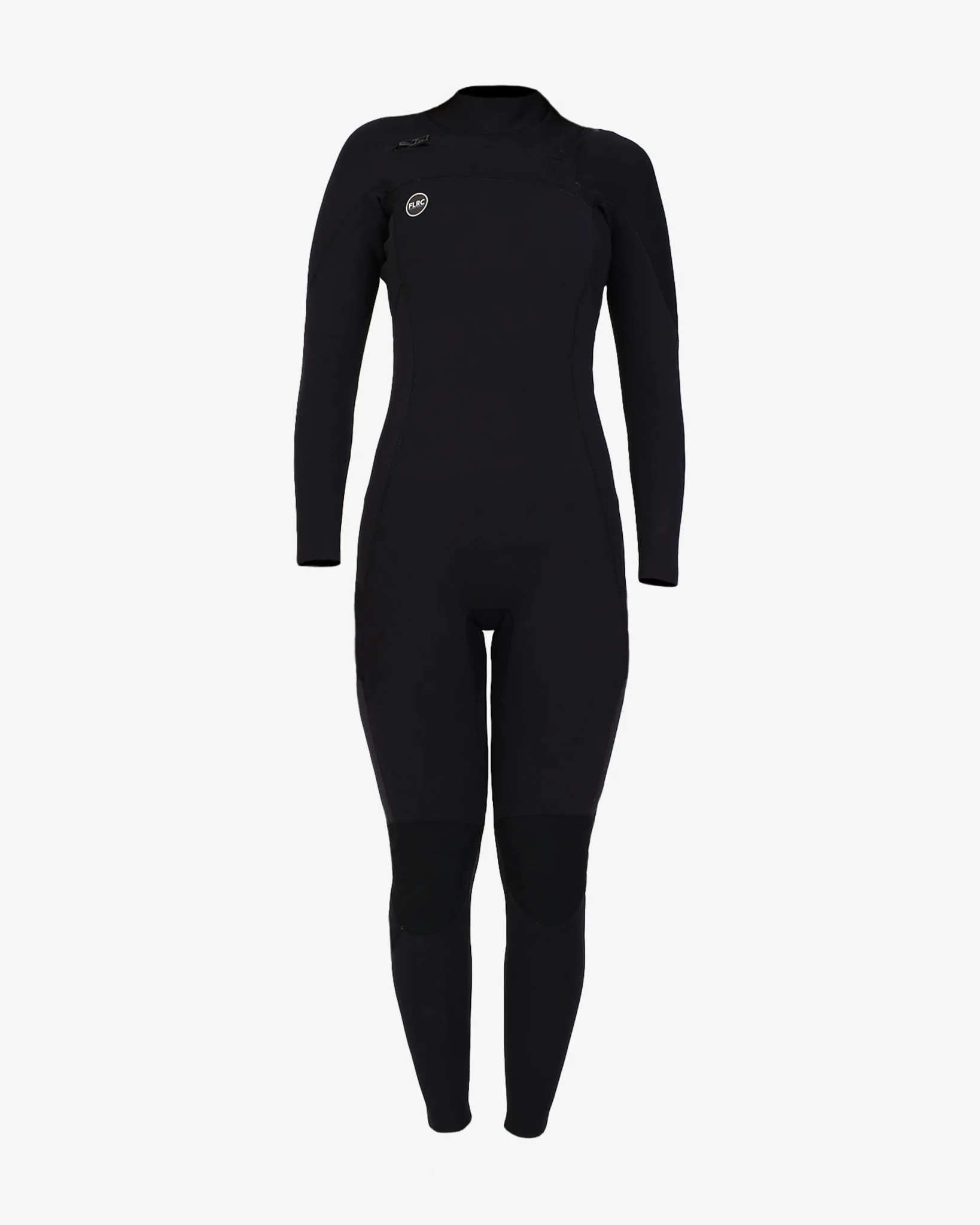
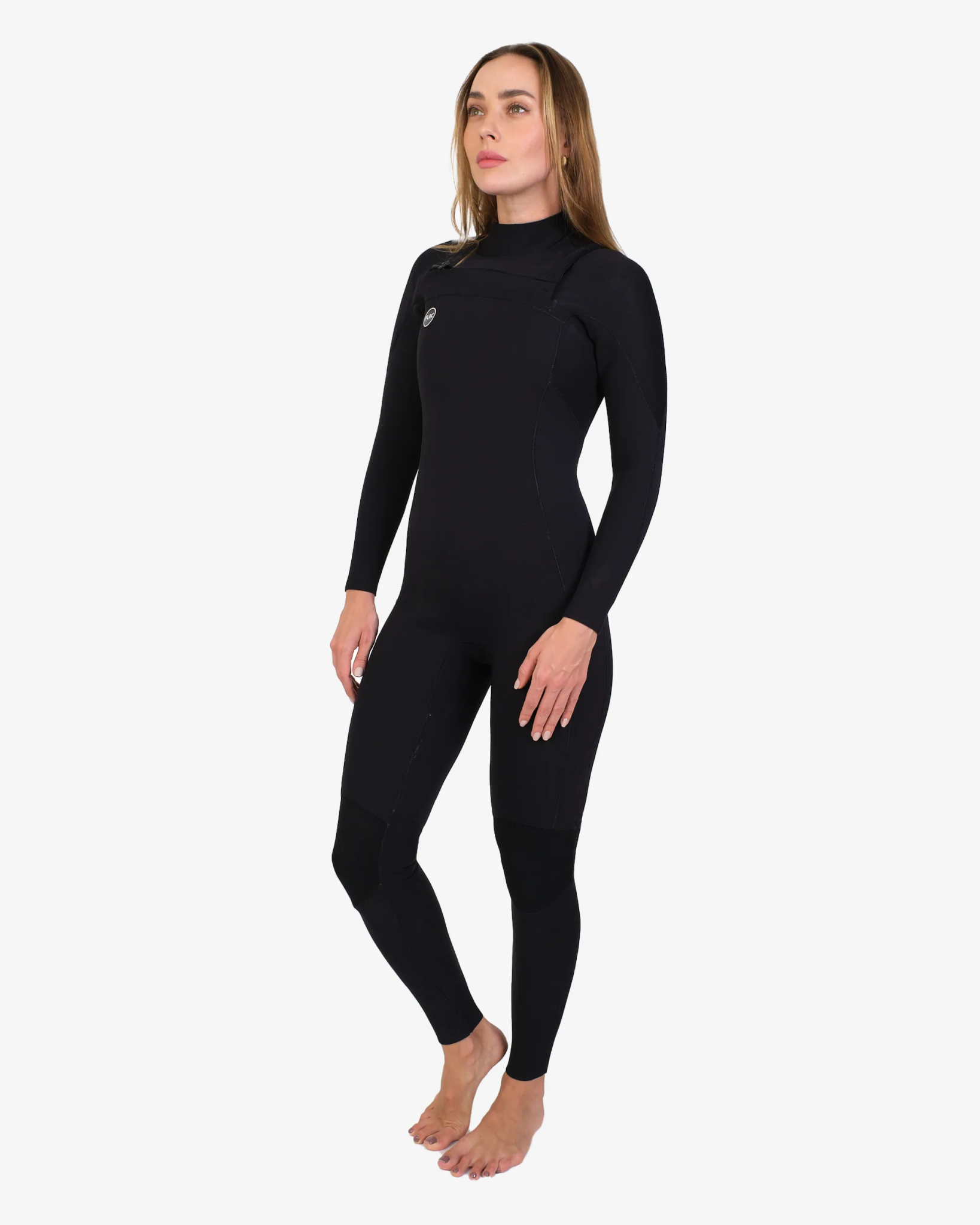
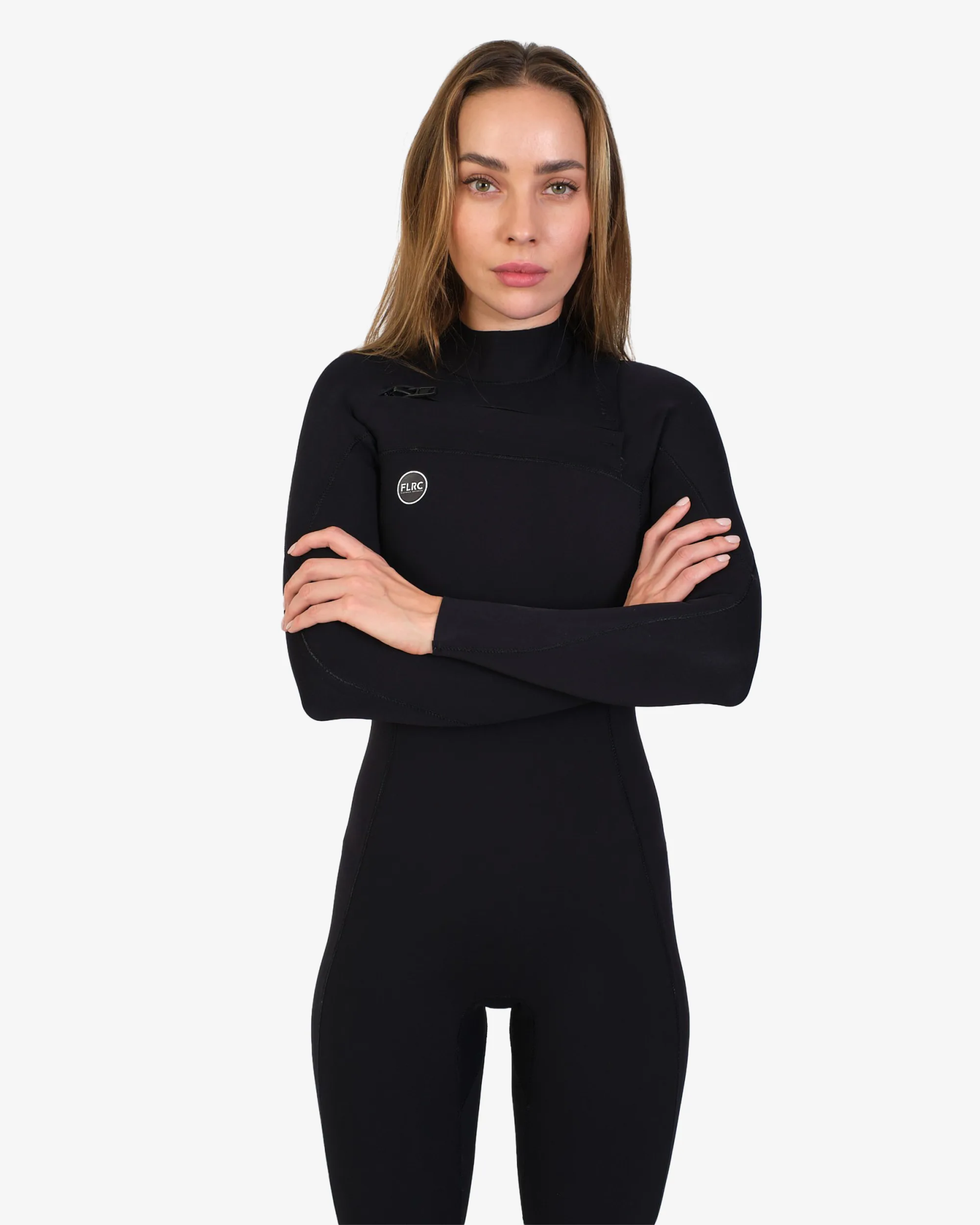
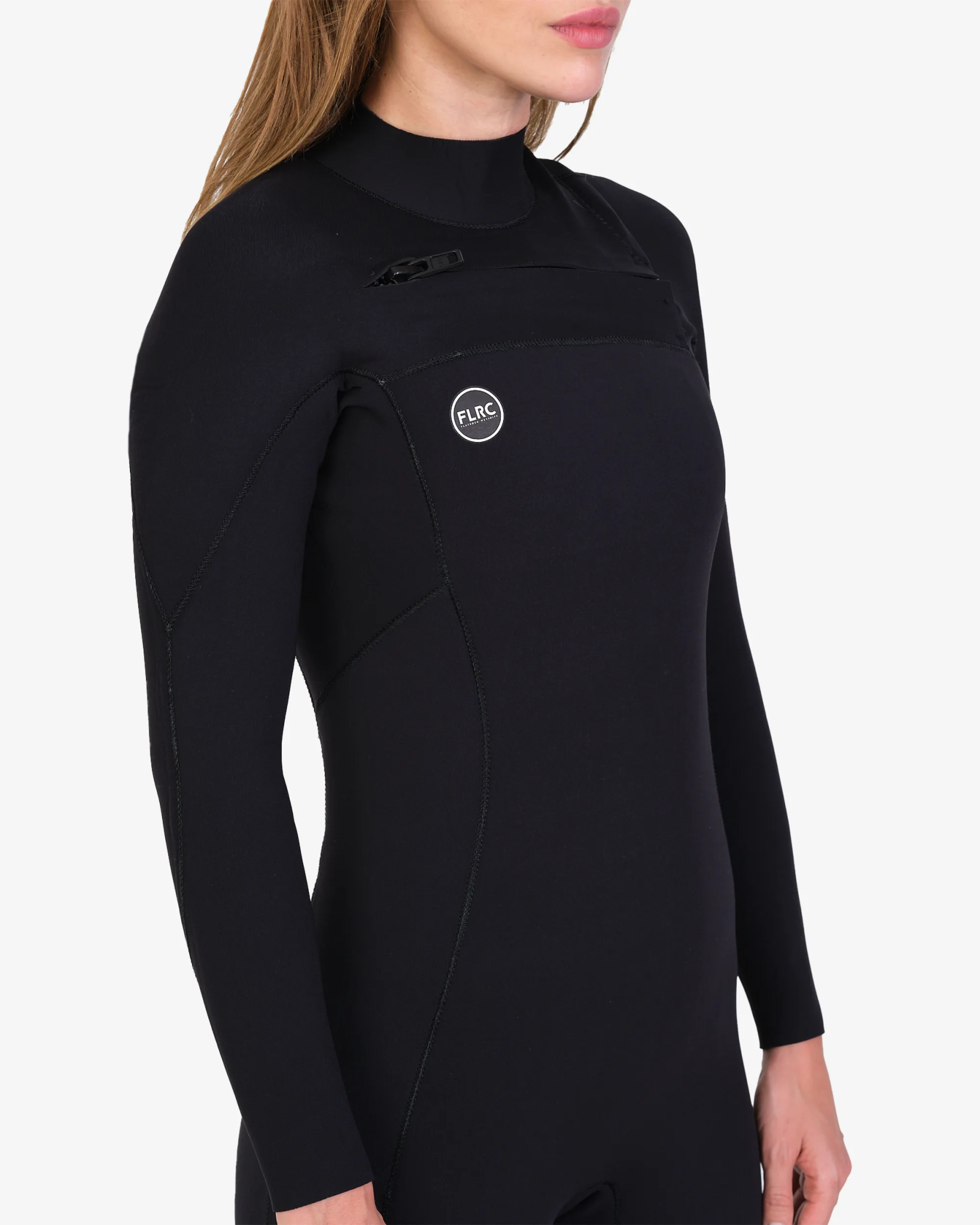
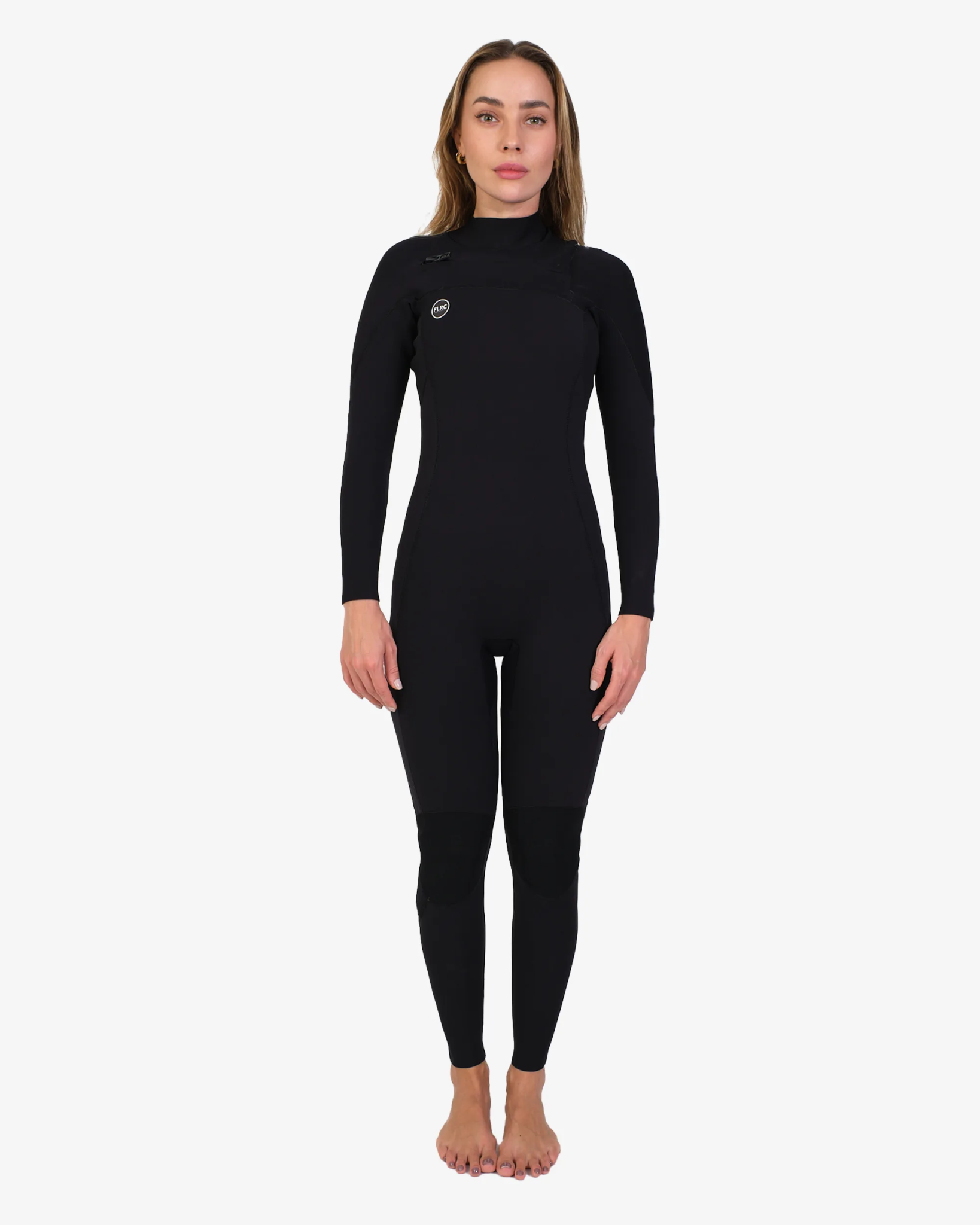
A chest-zip sits across the upper chest and shoulders instead of the back, with a smaller opening you pull over your head. Because there's no zip running across the back panel, the suit flexes more freely through the shoulders and there's less flush overall, so a chest-zip suit typically runs warmer than an equivalent back-zip of the same thickness. The trade-off is entry speed: it takes longer to get in and out, and the smaller neck opening means the zip and surrounding panel need to seal tightly, which is exactly why keeping this zip clean and moving smoothly matters more here than on a back-zip suit.
Zip-free entry
Best for: surfers chasing maximum warmth and flex, happy to trade off a fiddly change.
Zip-free suits use a stretch entry system, usually a smooth-skin panel around the neck or a flexible internal seal, instead of a mechanical zip. With no zip and no zip tape stitched into the panel, these suits flex more than either zipped option and run the warmest of the three, since there's no hardware creating a flush point. They're also the hardest to get in and out of, and because there's no zip to service, the seal relies entirely on the neoprene and stitching staying in good condition. If you're weighing up which entry style suits your local water, our wetsuit thickness guide for Australia breaks down thickness by region, which pairs closely with this decision.
Why do wetsuit zips seize up in cold water?
Cold water makes every zip problem worse. This winter (2026), Sydney's water temp is sitting at the cooler end of the 18-24°C range it runs through the year, while further south in Victoria and Tasmania, surfers are already rugged up in 4/3mm and 5/4mm suits with boots and gloves. As water gets colder, any grease or wax left in the zip stiffens up, so the slider has to work harder to move through it. Neoprene loses a bit of flex in the cold too, and that pulls the tape tighter against the teeth right when you need the zip moving smoothly, standing on cold sand trying to suit up before a dawn patrol. If your zip already had salt or sand built up in it, that stiffening from the cold is often what tips a slightly sticky zip into one that won't move at all.
How do you clean and lubricate a sticking wetsuit zip?
Most sticking or squeaking zips are a cleaning and lubrication job you can sort at home in under ten minutes.
Step 1: Rinse the zip in fresh, cold water
Every time you rinse your wetsuit after a sesh, run the zip open and closed a few times under fresh water while the suit is wet. This flushes out loose salt and sand before it dries and crystallises in the teeth.
Step 2: Brush out any built-up grit
For a zip that's already sticking, use a soft-bristled brush (an old toothbrush works fine) to work along both sides of the teeth or coil under running water. Check right at the base of the teeth, that's usually where the resistance is hiding.
Step 3: Dry it fully before you lubricate anything
Let the zip air dry completely before applying any lubricant. Lubricating a wet zip just traps moisture and grit against the teeth, which sets up the next seize-up rather than preventing it.
Step 4: Apply a wetsuit-safe lubricant sparingly
Run a small amount of paraffin wax or a silicone-based zip lubricant along the teeth or coil, then work the slider back and forth several times to spread it evenly. Wipe off the excess: a heavy coating just attracts more sand at the beach.
Step 5: Test the full range before you need it
Do this the night before a sesh, not standing in the car park at dawn. Open and close the zip fully a few times to check it's running smoothly end to end, and confirm the pull cord or tab is still securely attached.
What warning signs mean your zip needs professional repair or replacement?
A clean and lubricate fixes salt and sand build-up, but it won't fix physical damage. Get your wetsuit to a repairer, or start thinking about replacement, if you notice teeth that are visibly bent, chipped or missing, since a slider will keep jumping track over a damaged tooth no matter how well it's lubricated. The same goes for a slider that's loose or splits open under load instead of gripping the teeth, tape at the top or bottom of the zip that's fraying or lifting away from the neoprene, or a zip that still won't move freely after a full clean, which usually means the coil or teeth have worn down rather than just gotten dirty. A worn zip on an otherwise sound suit is often worth repairing, since replacing a zip is far cheaper than replacing the whole wetsuit. But if the tape around the zip is torn or the surrounding neoprene has degraded, that's a sign the suit is coming to the end of its life rather than needing a service, and our guide on what to look for in a wetsuit covers those broader signs in more detail.
If a service can't save your zip, it's worth weighing a repair against a new suit. Have a look through our men's and women's wetsuit ranges, or start with our ultimate wetsuit guide if you're weighing up fit and features from scratch.
Frequently asked questions
Why is my wetsuit zip so hard to pull?
A stiff wetsuit zip is usually caused by dried salt or sand built up in the teeth, which grinds against the slider every time you pull it. A fresh water rinse and a light zip lubricant usually restores smooth movement.
Can I use any lubricant on a wetsuit zip?
Stick to paraffin wax or a silicone-based lubricant made for zips. Petroleum-based products like petroleum jelly can degrade neoprene and zip tape over time, so we'd avoid them on a wetty.
How often should I clean my wetsuit zip?
We recommend rinsing the zip in fresh water after every sesh, then giving it a proper brush and lubricate every few weeks through a regular season, more often if you're surfing somewhere sandy.
Is a chest-zip or back-zip wetsuit warmer?
A chest-zip wetsuit generally runs warmer than a back-zip, because there's no zip seam across the back panel creating a flush point. Zip-free entry suits run warmer again, with no zip hardware at all.
Can a wetsuit zip be replaced instead of buying a new suit?
Yes, a damaged zip can usually be replaced by a wetsuit repairer for far less than the cost of a new suit, as long as the surrounding neoprene and tape are still in good condition.