The fastest way to get better at reading a barrelling wave is to study the surfers who've already cracked the code in the biggest, heaviest barrels ever ridden. At Flatrock Surf, we've watched enough grainy Pipeline clips and Teahupo'o photos to know a great barrel ride is rarely about raw talent. It's about positioning: where you sit, when you take off, and how you read the wave's shape before it even breaks. This guide revisits five of the most legendary barrels in surf history and breaks down the exact wave-reading lesson each one teaches, whether you're chasing tubes at a local beach break or just trying to understand what you're watching.
What can Gerry Lopez's Pipeline barrels teach you about staying still in the pocket?
Gerry Lopez earned the nickname 'Mr Pipeline' through the 1970s for a stand-up barrel style so relaxed it looked like he was watching telly inside the wave, at a break most surfers were still learning to survive. Where others at Banzai Pipeline flailed for balance, Lopez rode with his weight centred directly over the board, arms low and still, letting small adjustments in his back foot control his speed instead of big, obvious movements. That stillness had a purpose beyond style: the less you move in a barrel, the more you can actually see and feel about the wave's shape, and the longer you can hold a line without breaking your trim. Next time you're in a barrel, even a small one, try keeping your hands low and your weight centred rather than reaching or flailing. It buys you time to read what the wave is about to do next.
Why does Tom Curren's barrel at J-Bay still set the standard for trim?
Tom Curren's rides down Jeffreys Bay's Supertubes section, filmed during Rip Curl's The Search era in the early 1990s, are still held up as some of the longest, highest-line barrels ever caught on camera at a point break. J-Bay is a wall wave, not a ledge: it builds gradually through several sections, Kitchens, Tubes, Supertubes and Impossibles, rather than throwing everything at once like a reef slab does. Curren's skill was reading the wall far enough ahead to hold a high line near the lip, banking speed he could spend later when the wave sucked out and closed over him. That's the lesson for any point break: barrels there reward patience and reading ahead, not just reflexes. You're not reacting to the barrel, you're setting up two sections ahead of it. It's part of why J-Bay has produced some of the greatest performances in surfing, including from Australia's own Mick Fanningon a wave that punishes anyone who can't read that far ahead.
What does Laird Hamilton's Millennium Wave teach you about committing to a takeoff?
In August 2000, Laird Hamilton towed into a wave at Teahupo'oTahiti, that became known around the world as the Millennium Wave, one of the heaviest, most photographed barrels ever ridden. The image ended up on surf magazine covers worldwide, because nobody had seen a wave that thick and that shallow ridden with that much control. Teahupo'o doesn't build gradually like J-Bay, it ledges up out of deep water and pitches over a shallow reef almost instantly, which means there's no time to read the wave once you're committed. The lesson from that wave is about the decision before the drop: reading the ledge, the reef beneath it, and the exact moment to go, because once you're in, positioning happens in fractions of a second, not seconds. On slabs like that, wave reading is front-loaded. All the thinking happens in the sit and the takeoff, not in the barrel itself.
How did Derek Ho read Pipeline's shifting peaks to win a world title?
Derek Ho became the first Hawaiian-born surfer to win a world title, clinching it at the Pipe Masters in 1993 on the back of a string of deep barrels across Pipeline's notoriously shifting peaks. Pipeline isn't one wave, it's at least two: First Reef breaks close to shore and Second Reef breaks further out on bigger swells, and which one is working can change from set to set. Ho's edge was reading which peak was firing and positioning himself there before the crowd caught on, then being patient enough to let average waves go through so he was in position for the one that mattered. That's a lesson for any beach break with multiple peaks: keep track of which part of the break is working right now, not just the wave directly in front of you, and get yourself there first.
What does Kelly Slater's Code Red barrel teach you about judging a heavy swell?
During the huge August 2011 swell that surf media dubbed 'Code Red', Kelly Slater competed in and won a heat at Teahupo'o in some of the biggest, most dangerous barrels ever surfed in competition. At that size, reading a wave stops being about style and becomes about risk assessment: judging whether a set is a makeable barrel or a closeout that will hold you under on a shallow reef, and being willing to let waves go if the read isn't clean. Slater's positioning that day showed the same principle at a bigger scale: sit slightly wide of where the average surfer sits, watch how the previous few waves broke, and commit fully once you've made the call, because hesitation on a heavy reef is more dangerous than commitment. It's an extreme version of a skill every surfer needs on any day the swell jumps: reading size and consequence before you paddle for anything.
How do you apply these wave-reading lessons at your local break?
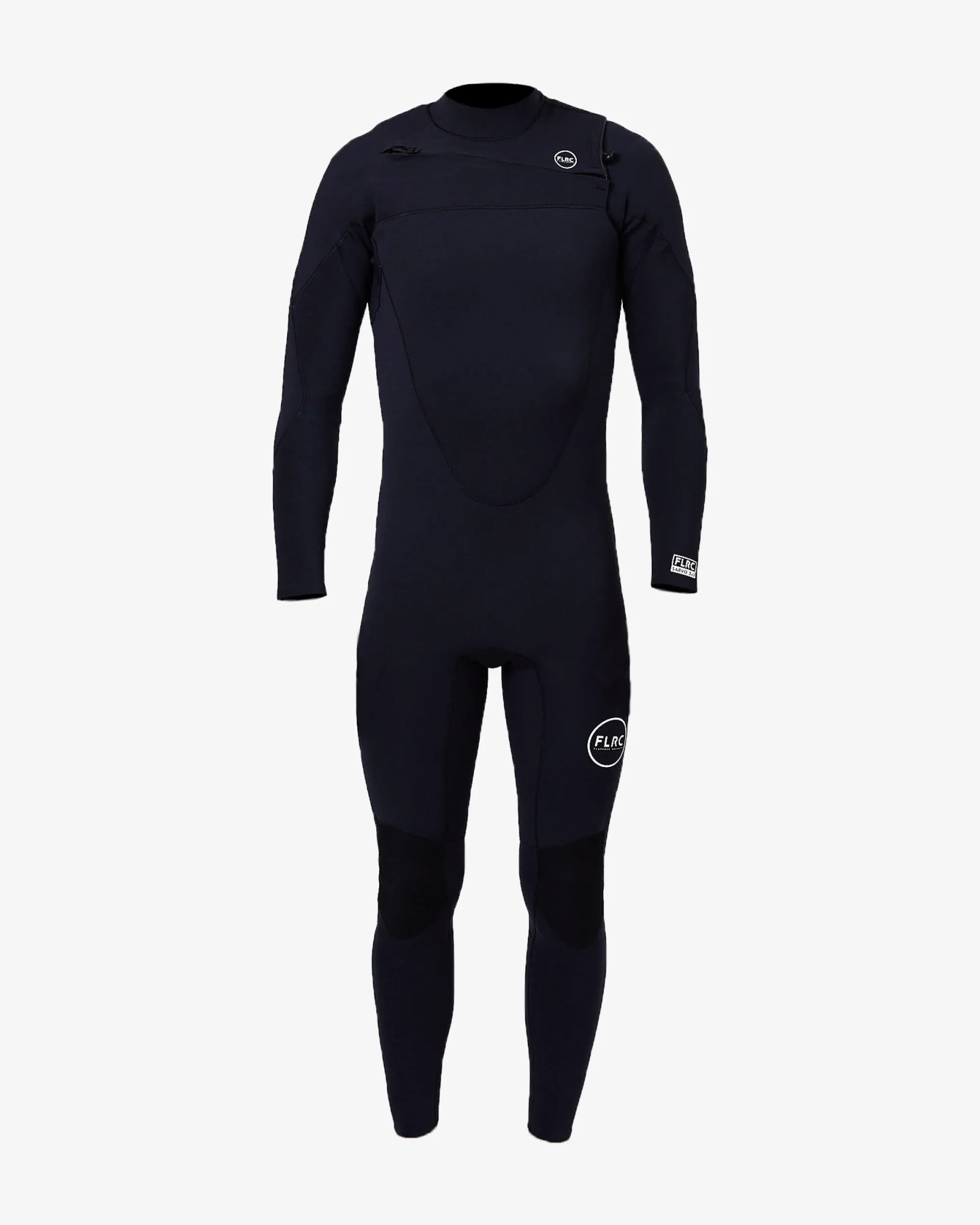
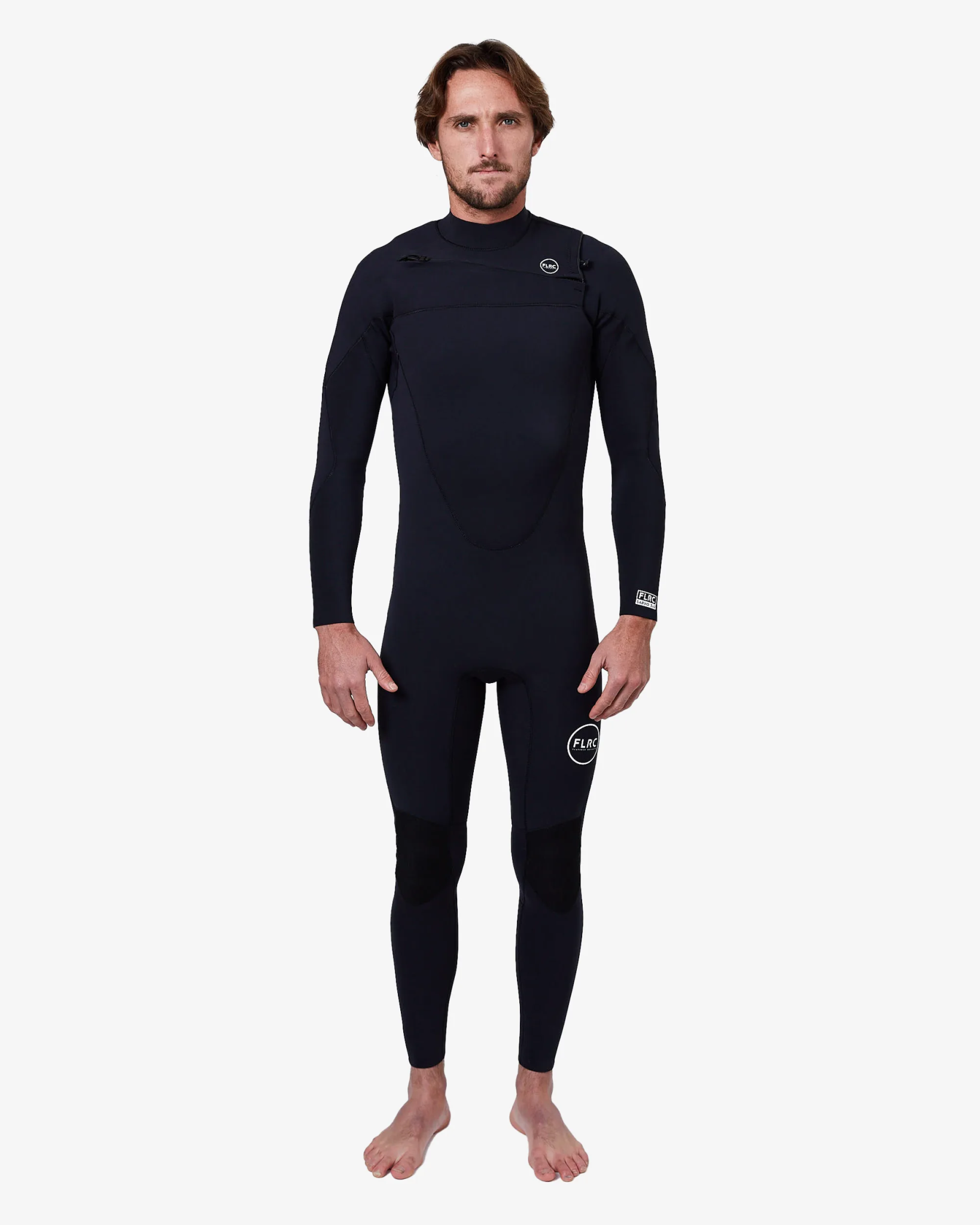
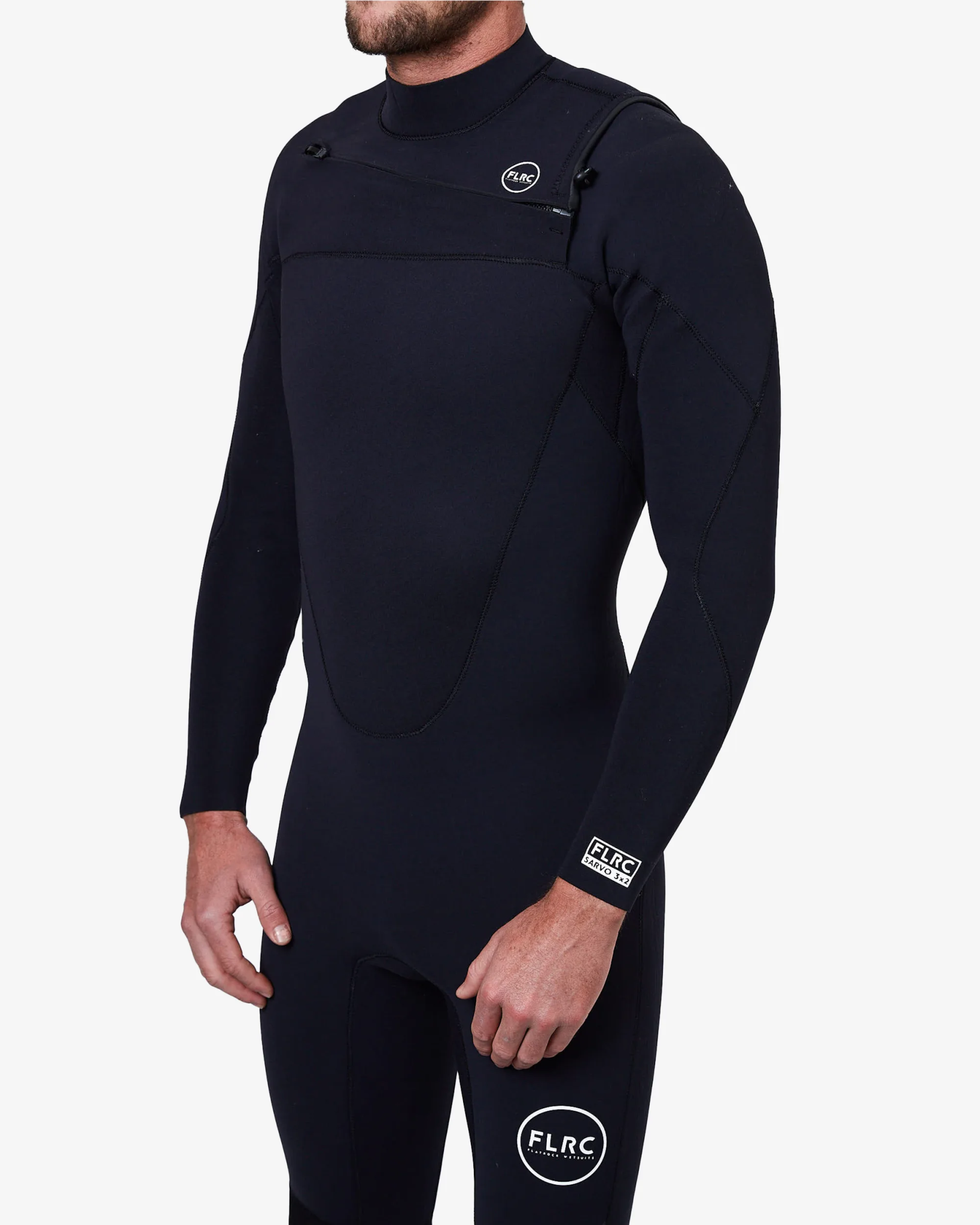
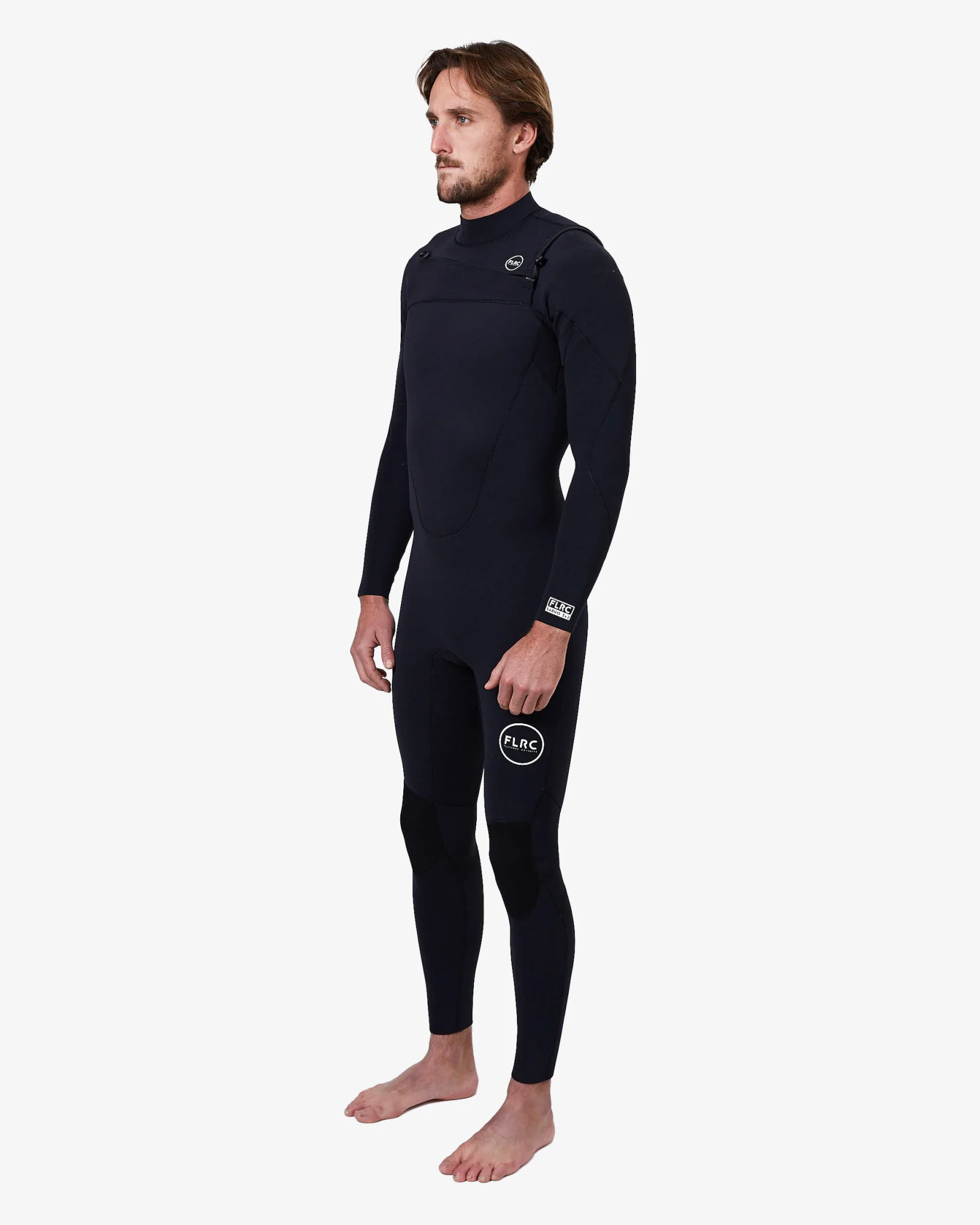
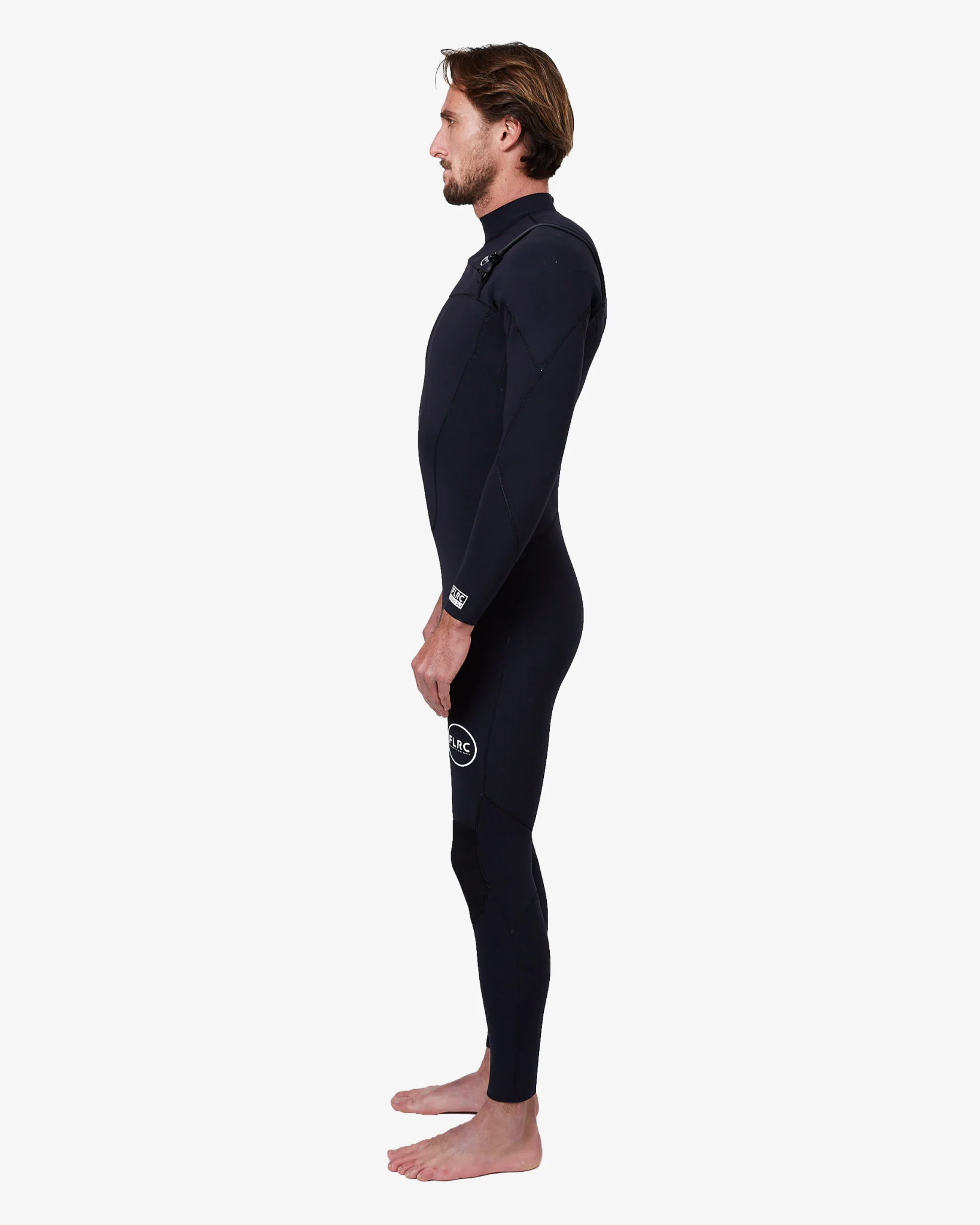
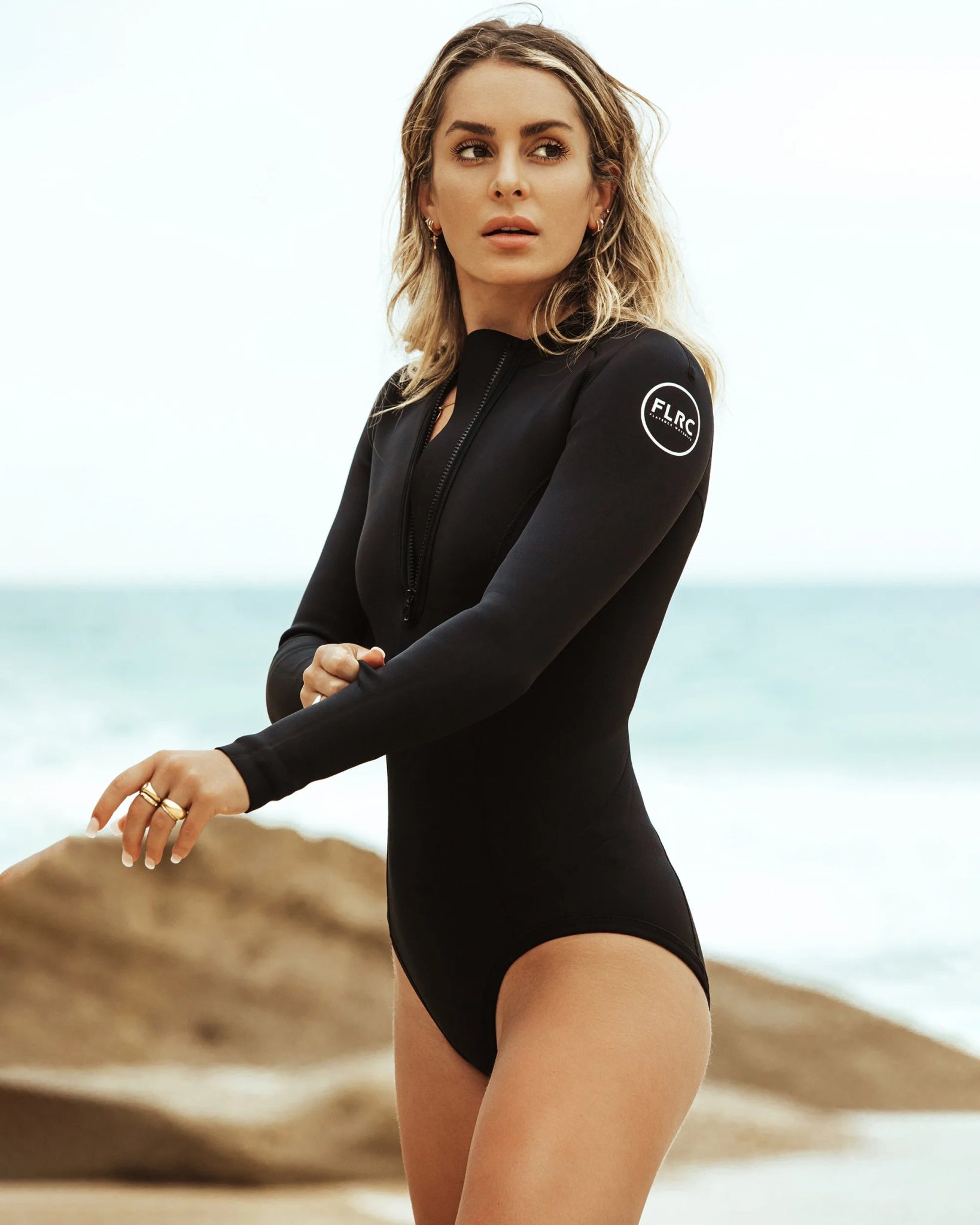
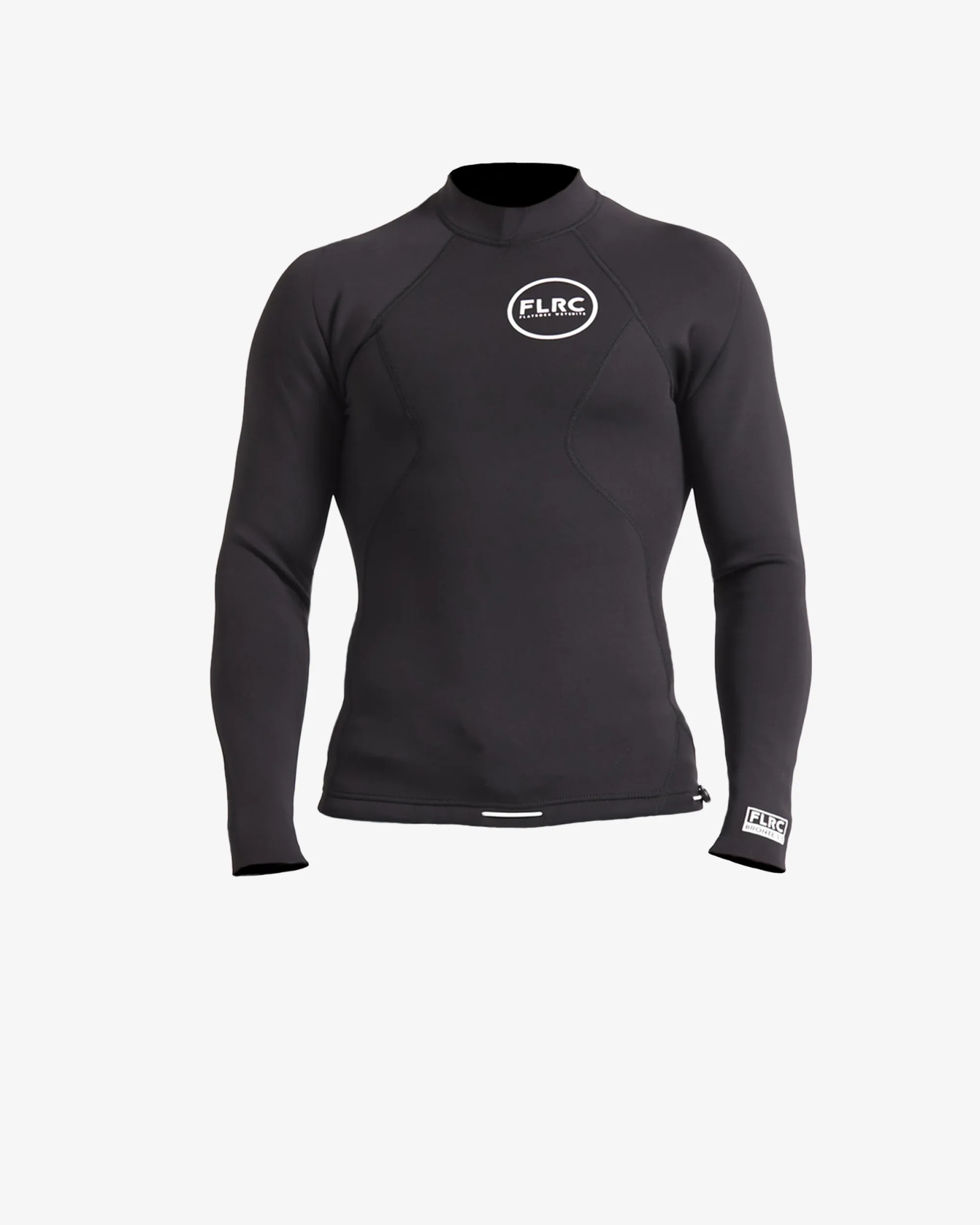
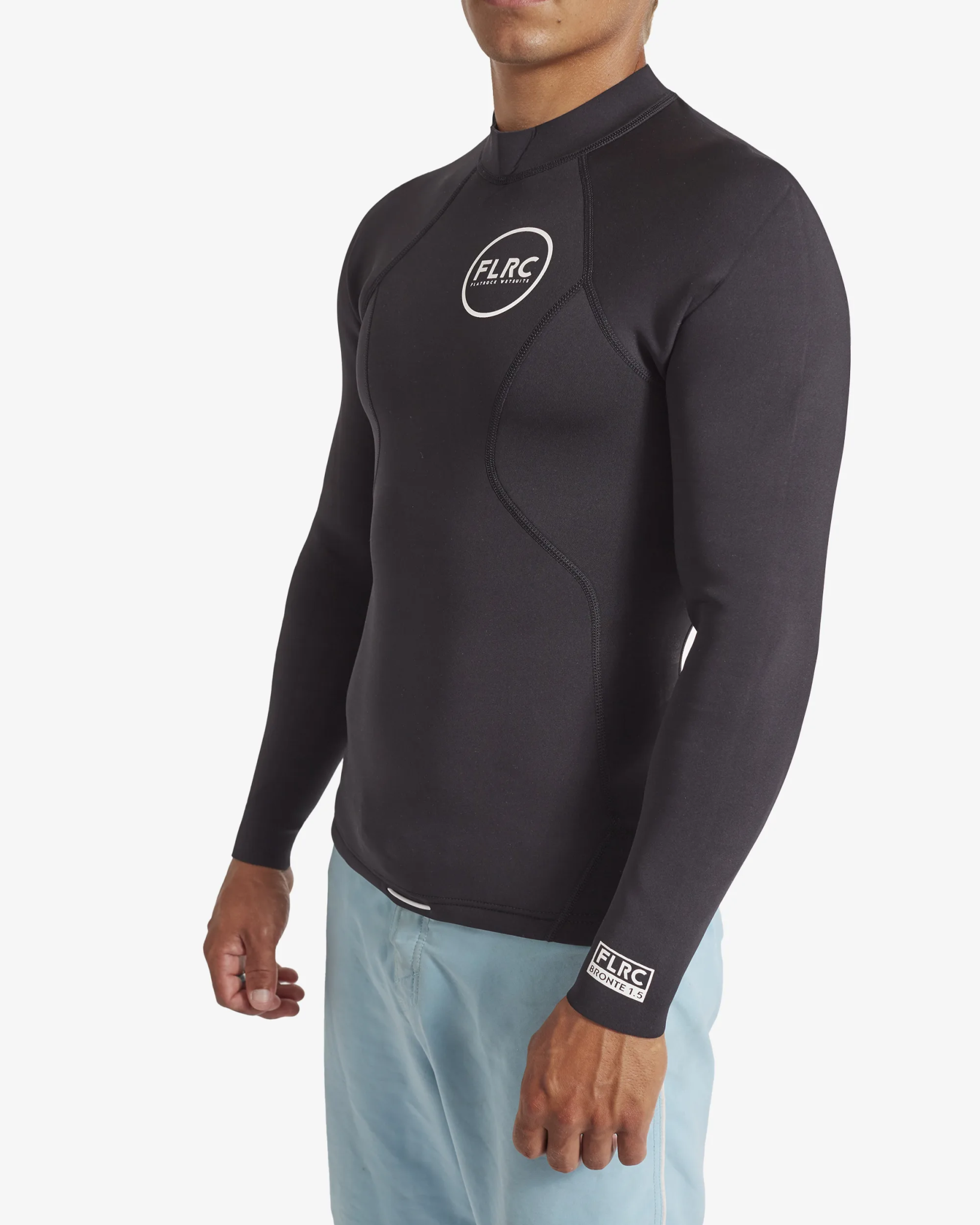
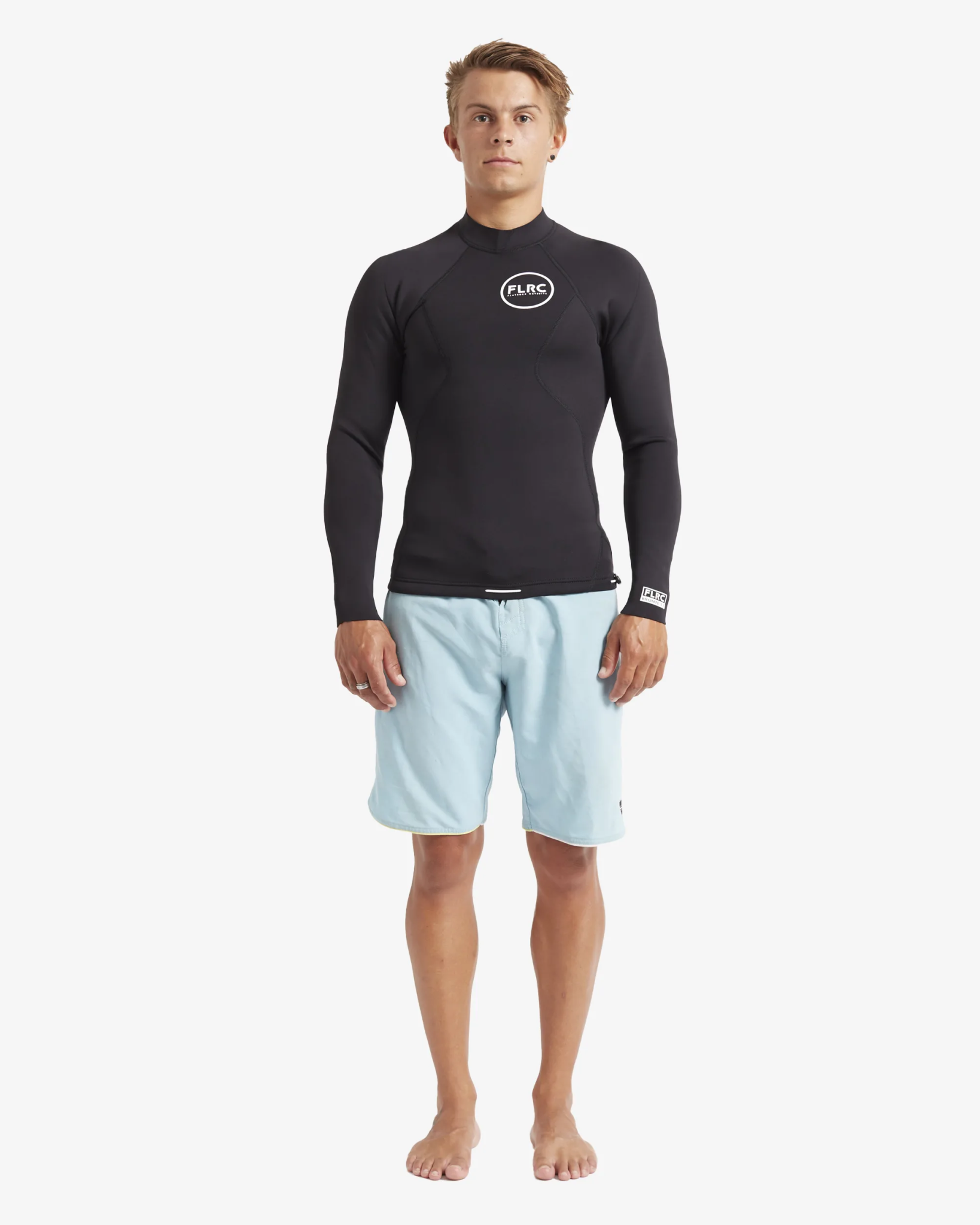
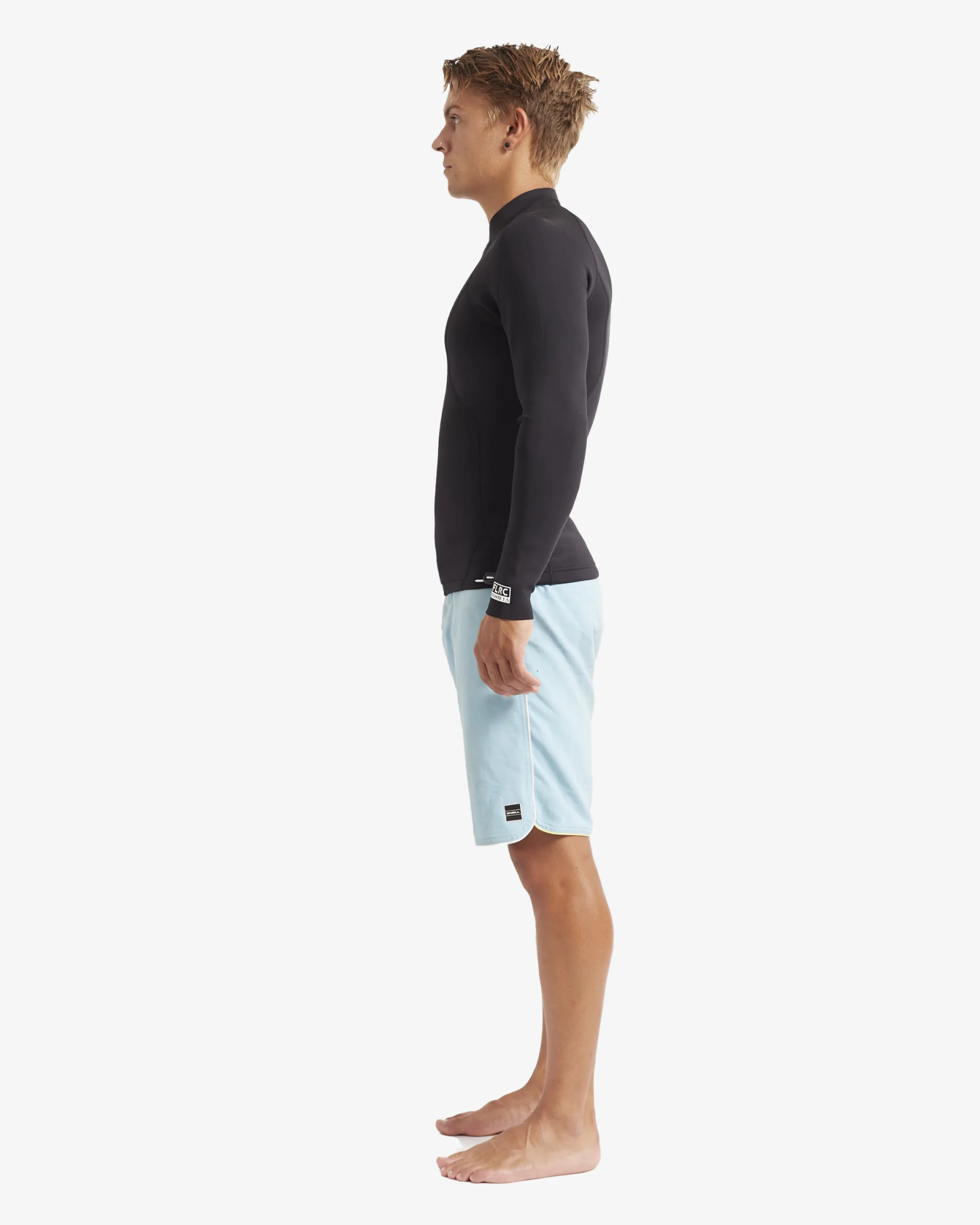
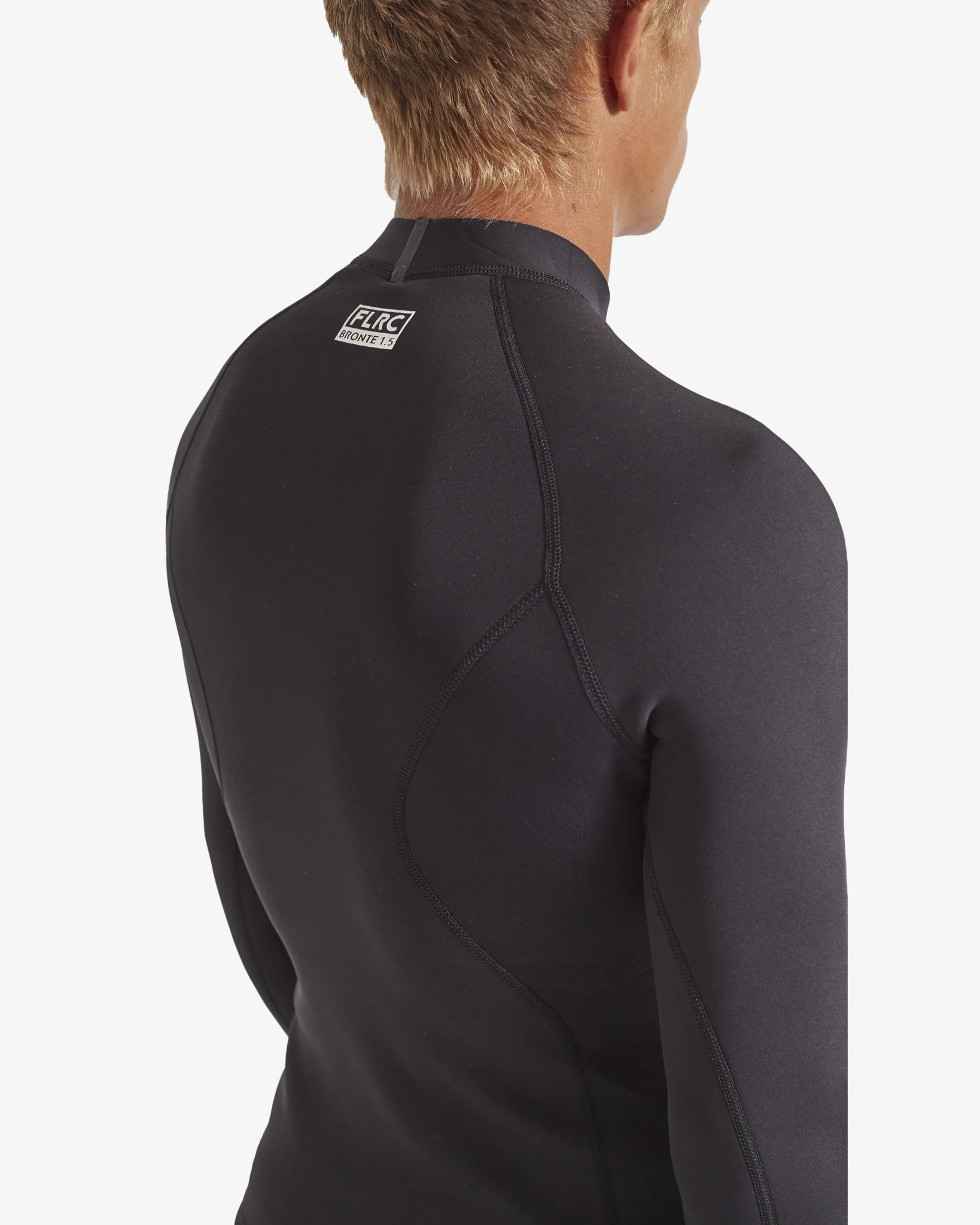
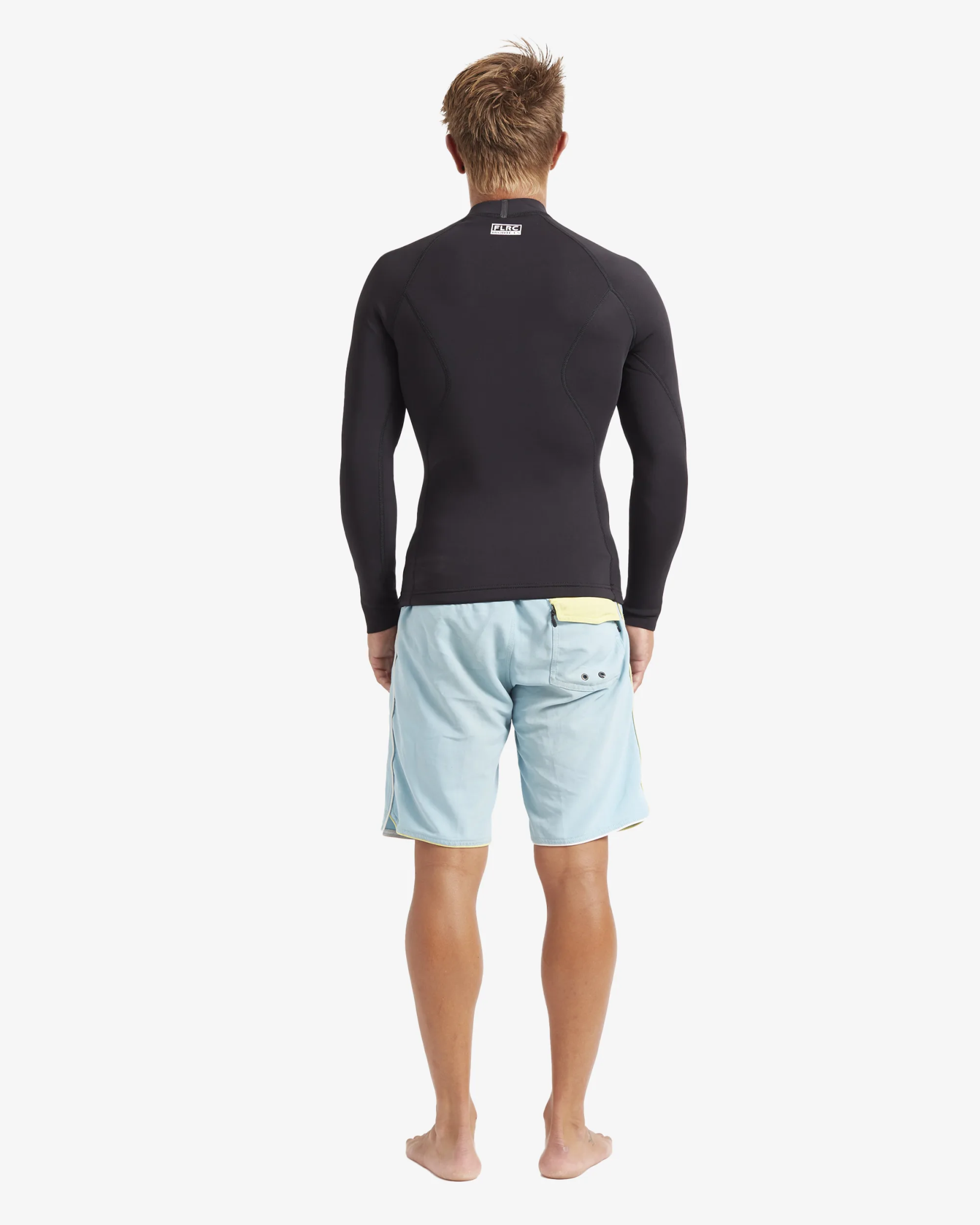
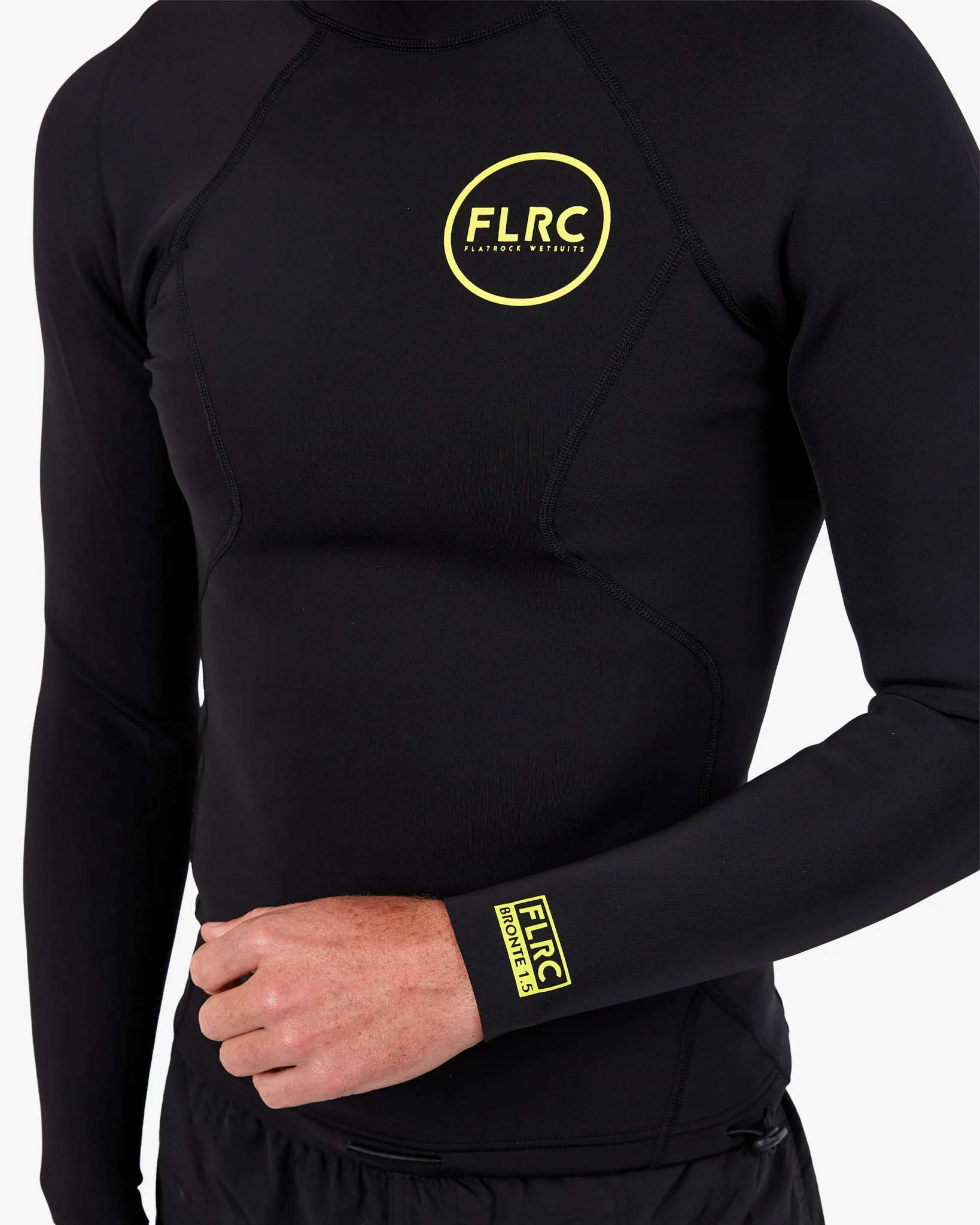
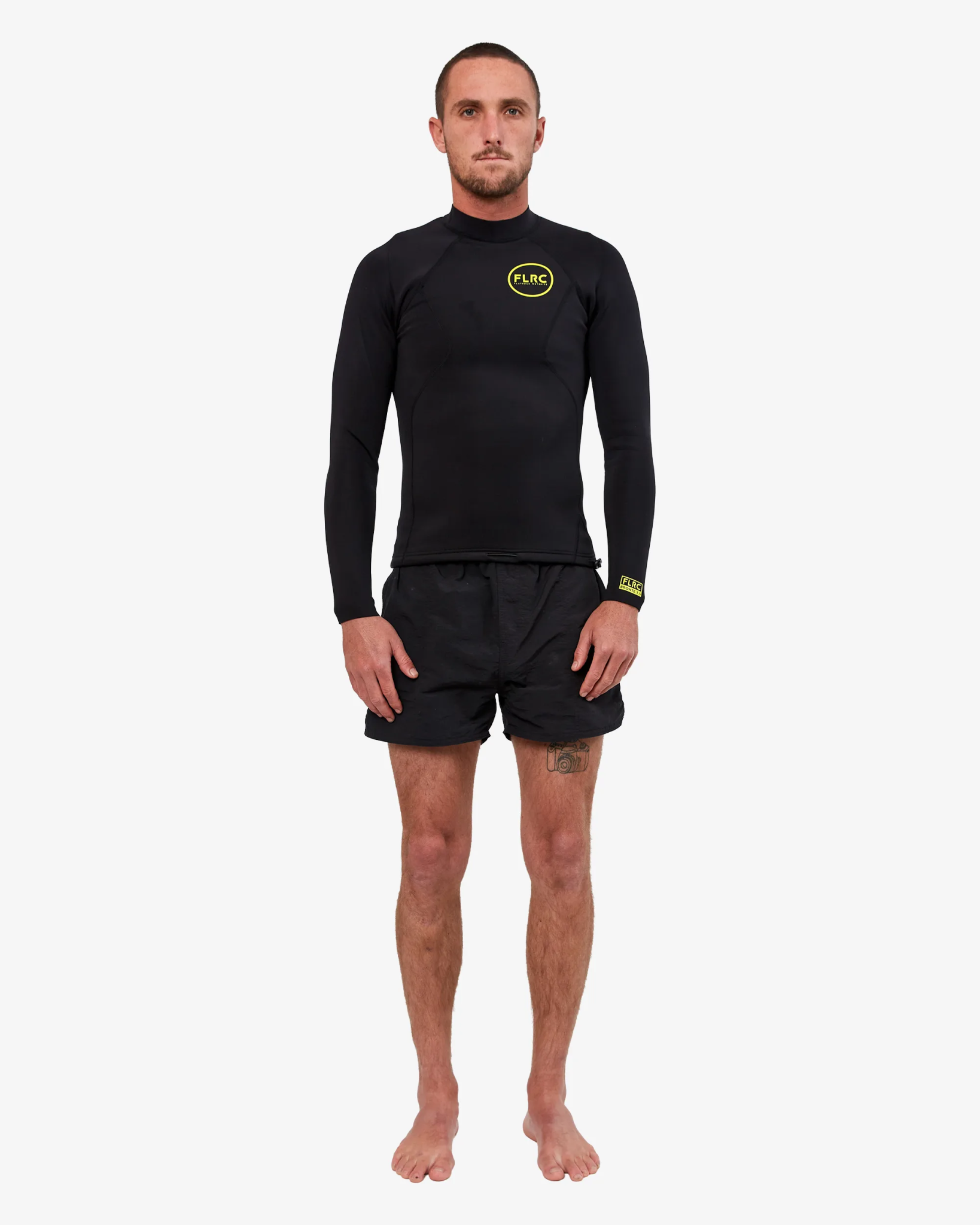
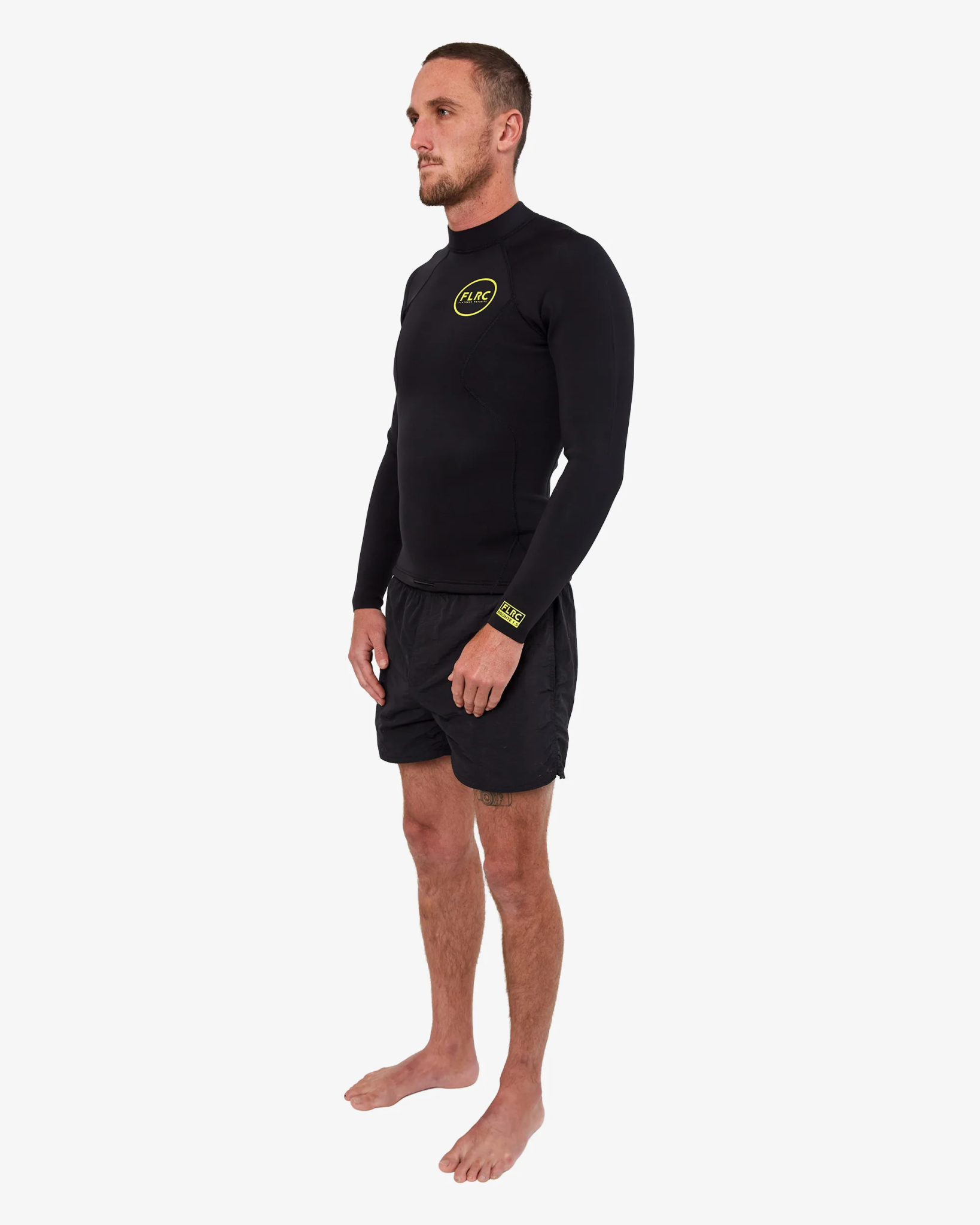
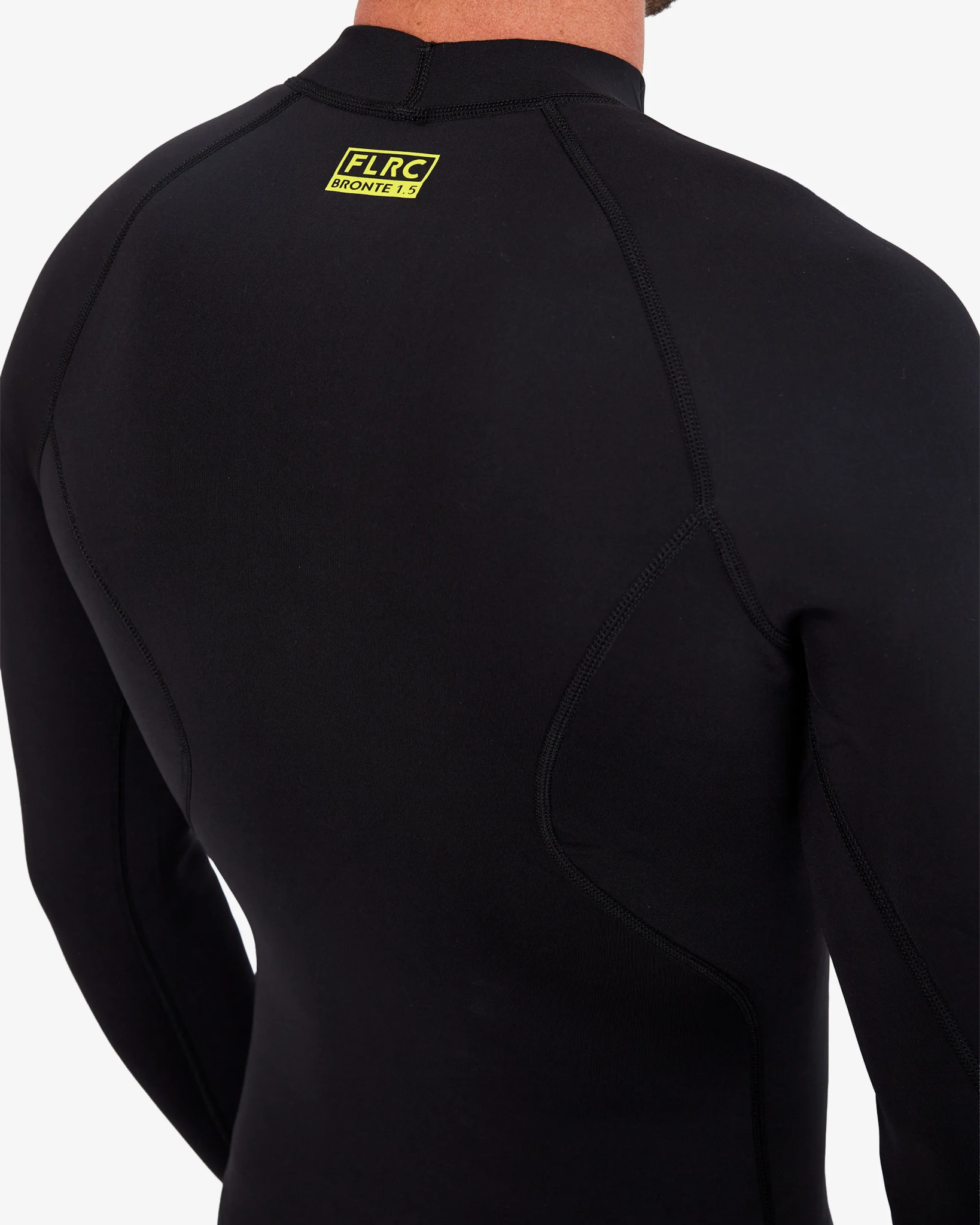
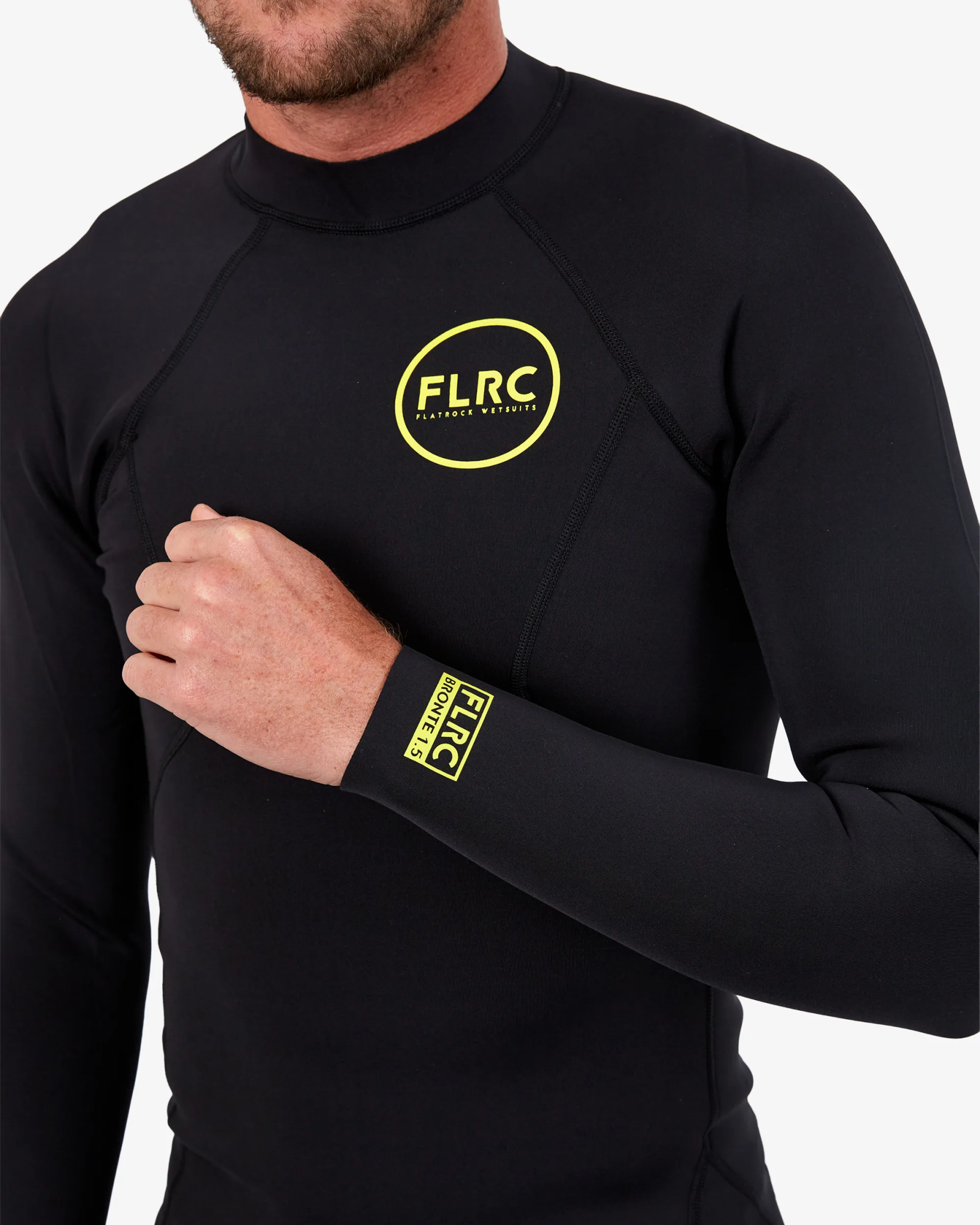
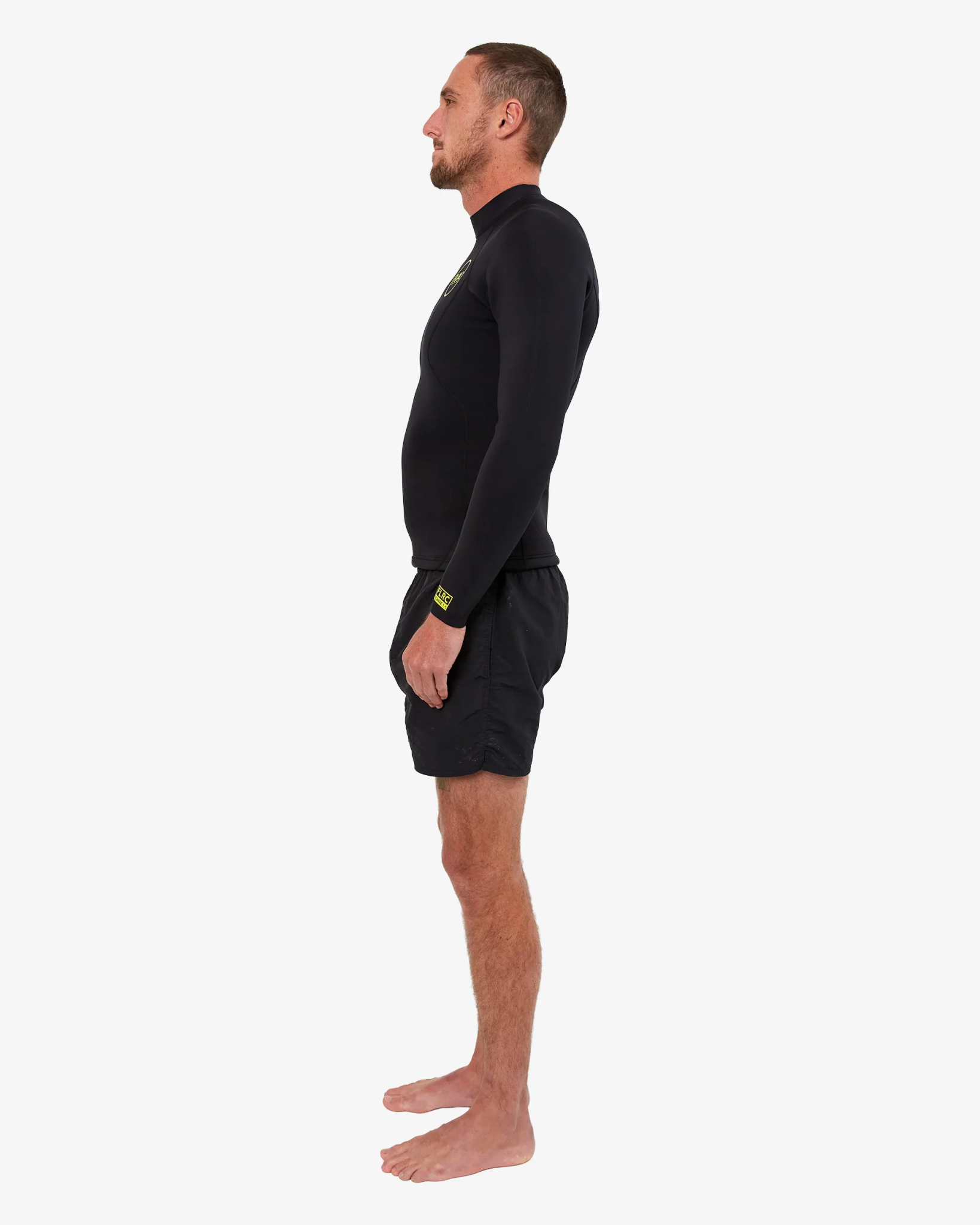
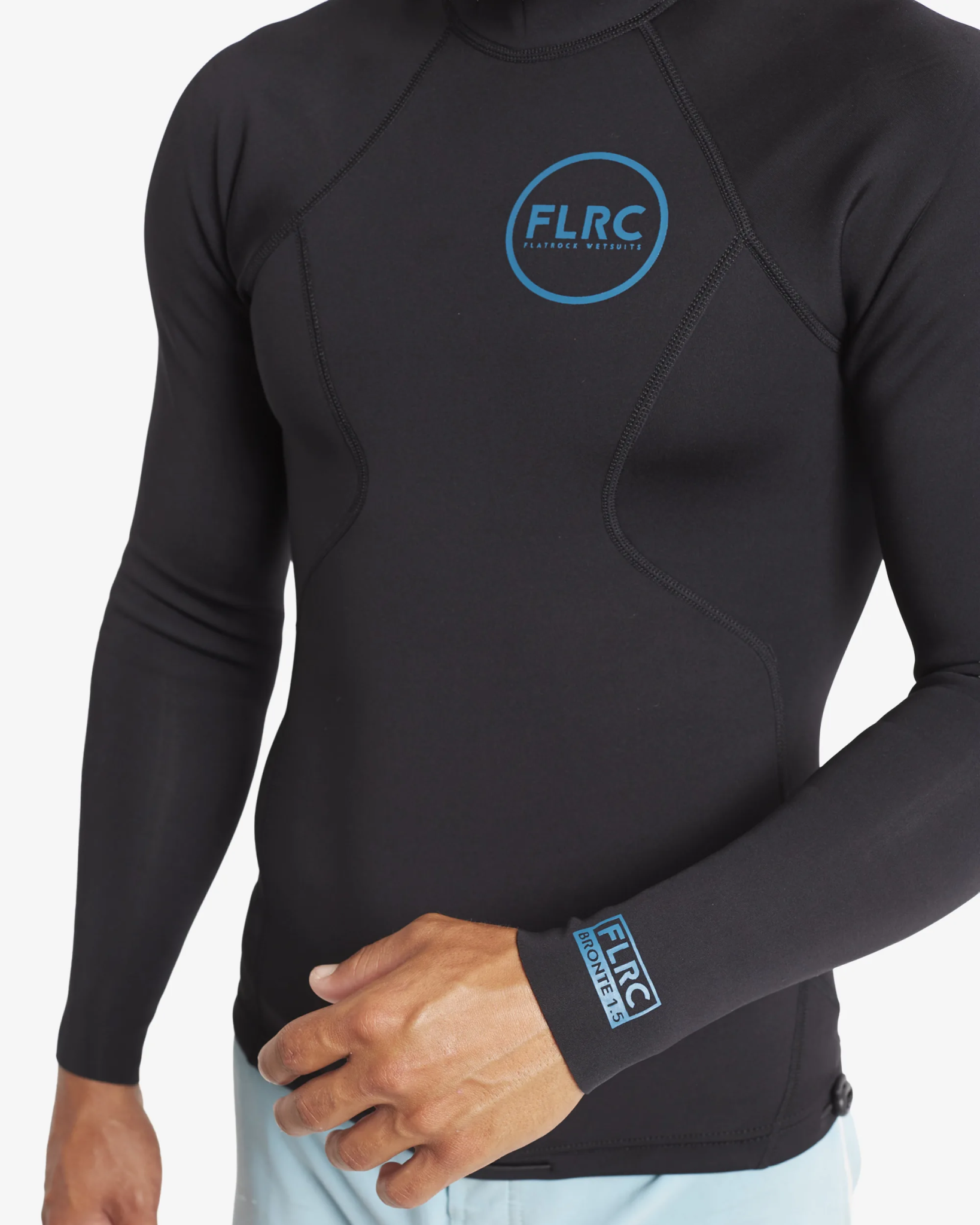
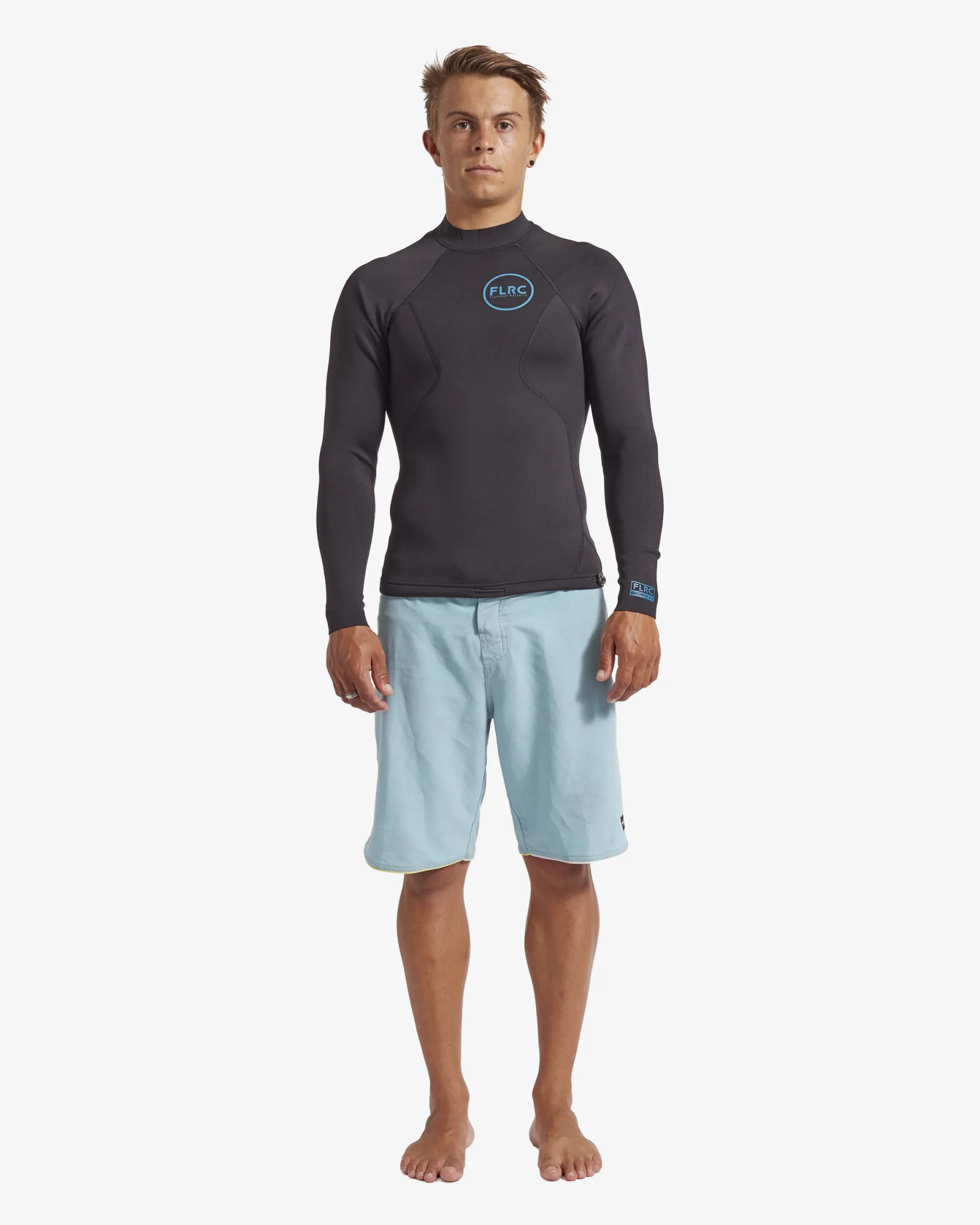
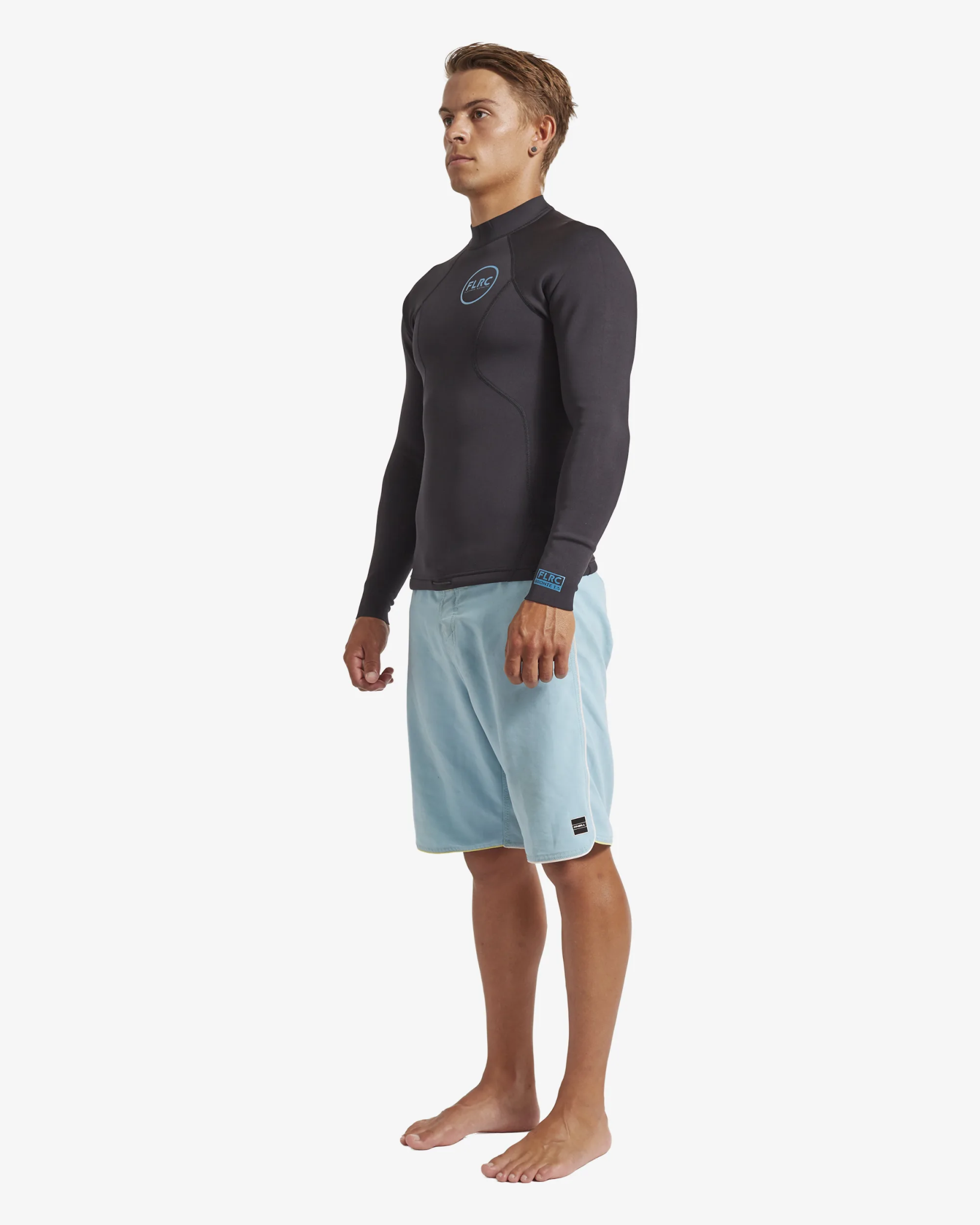
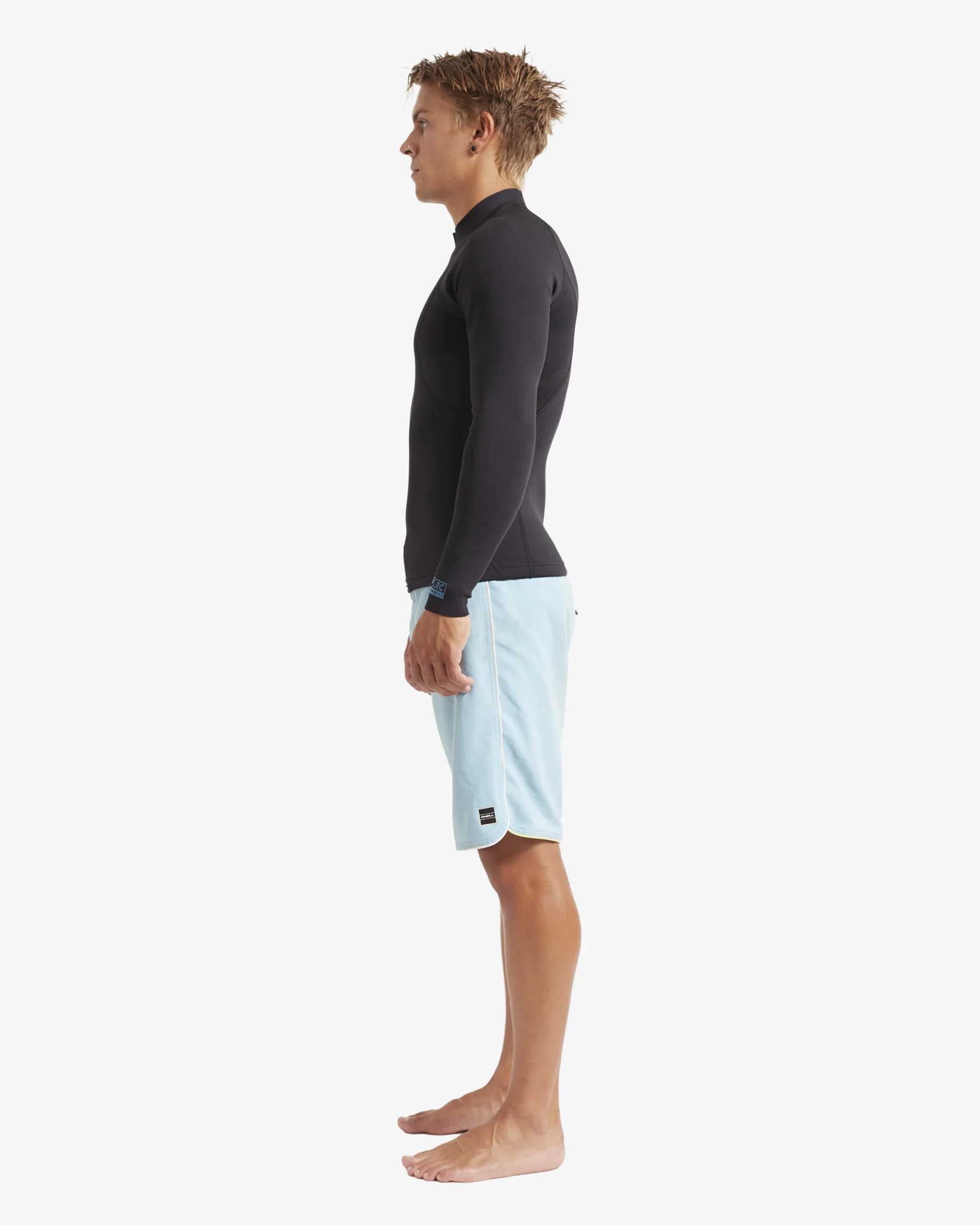
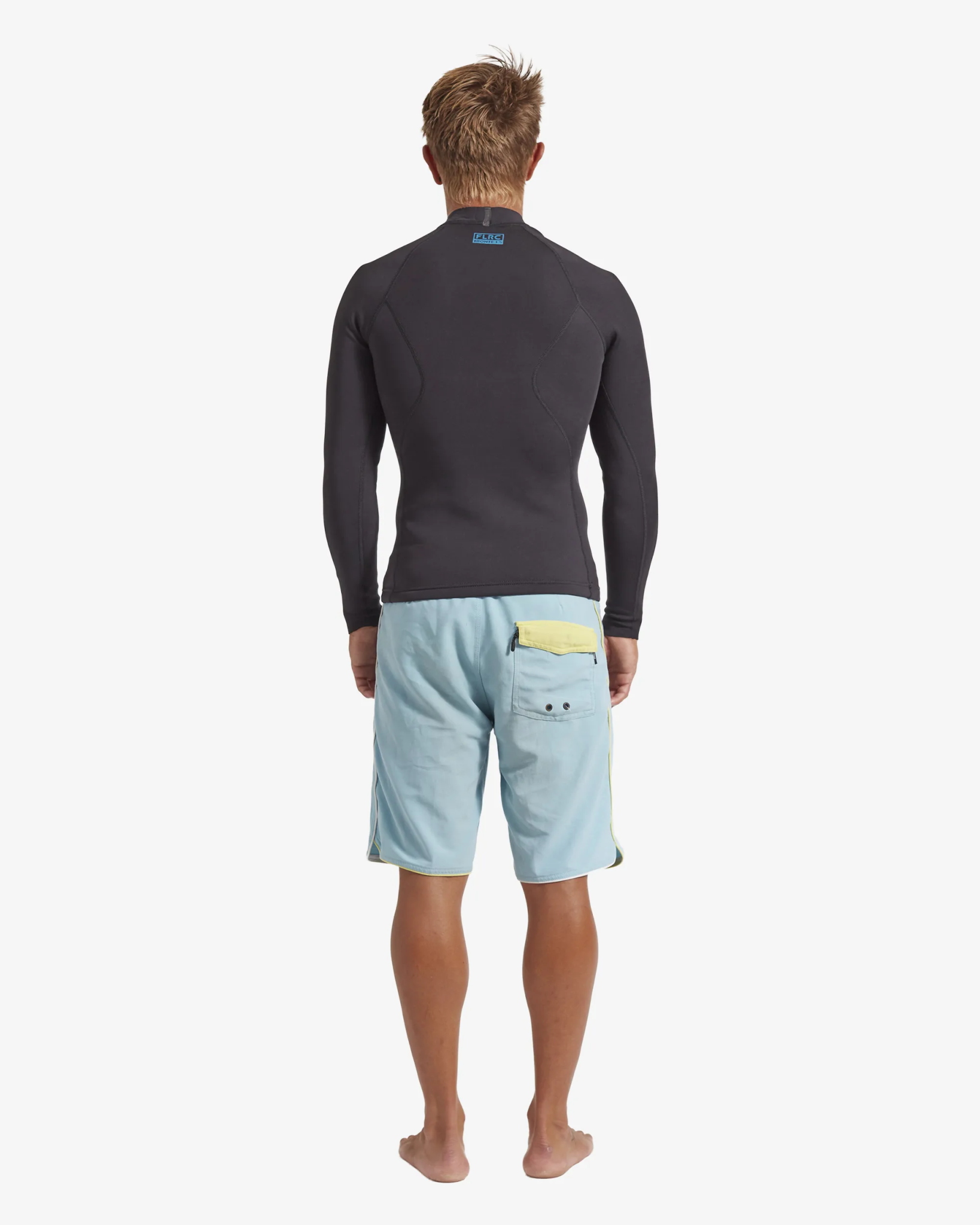
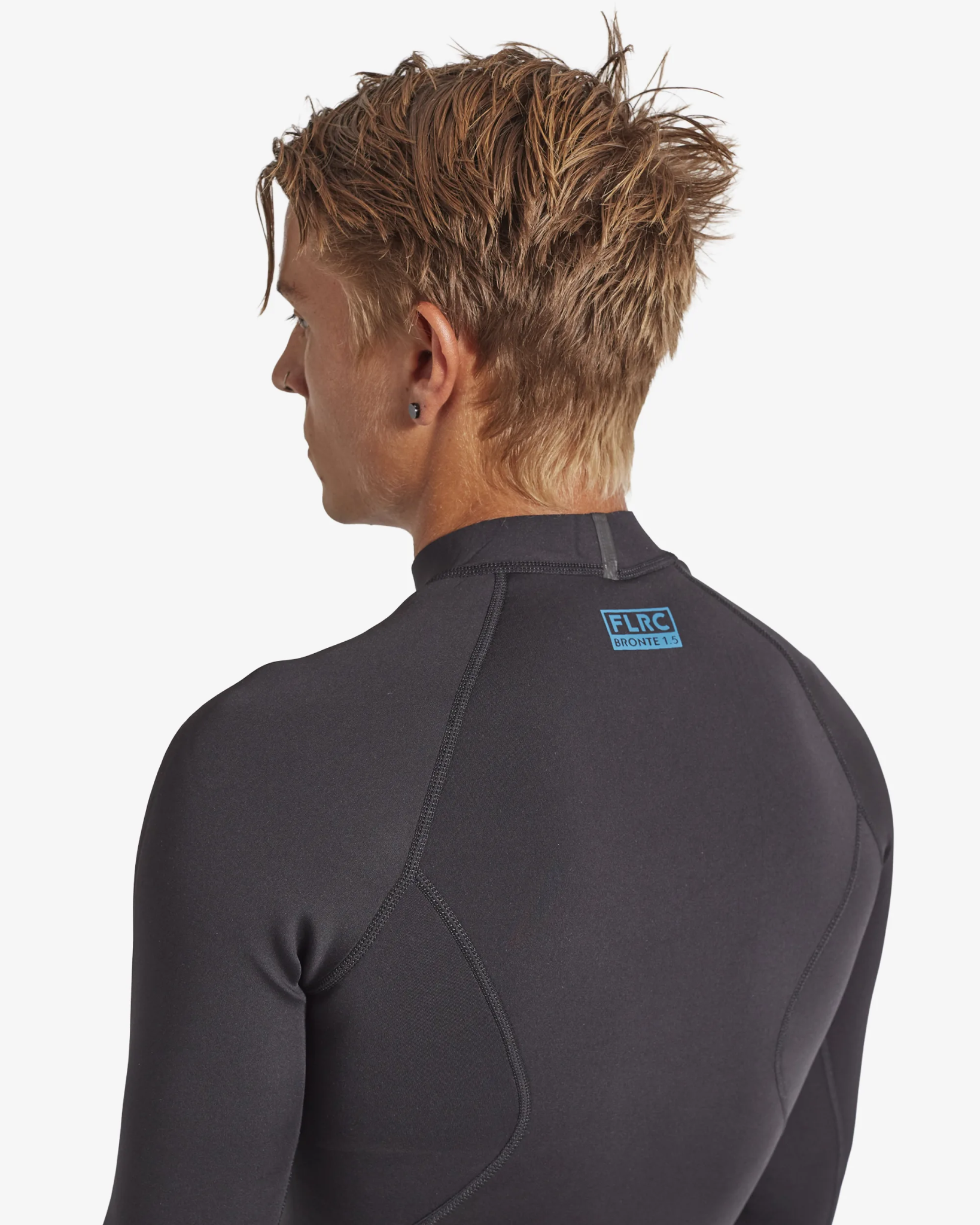
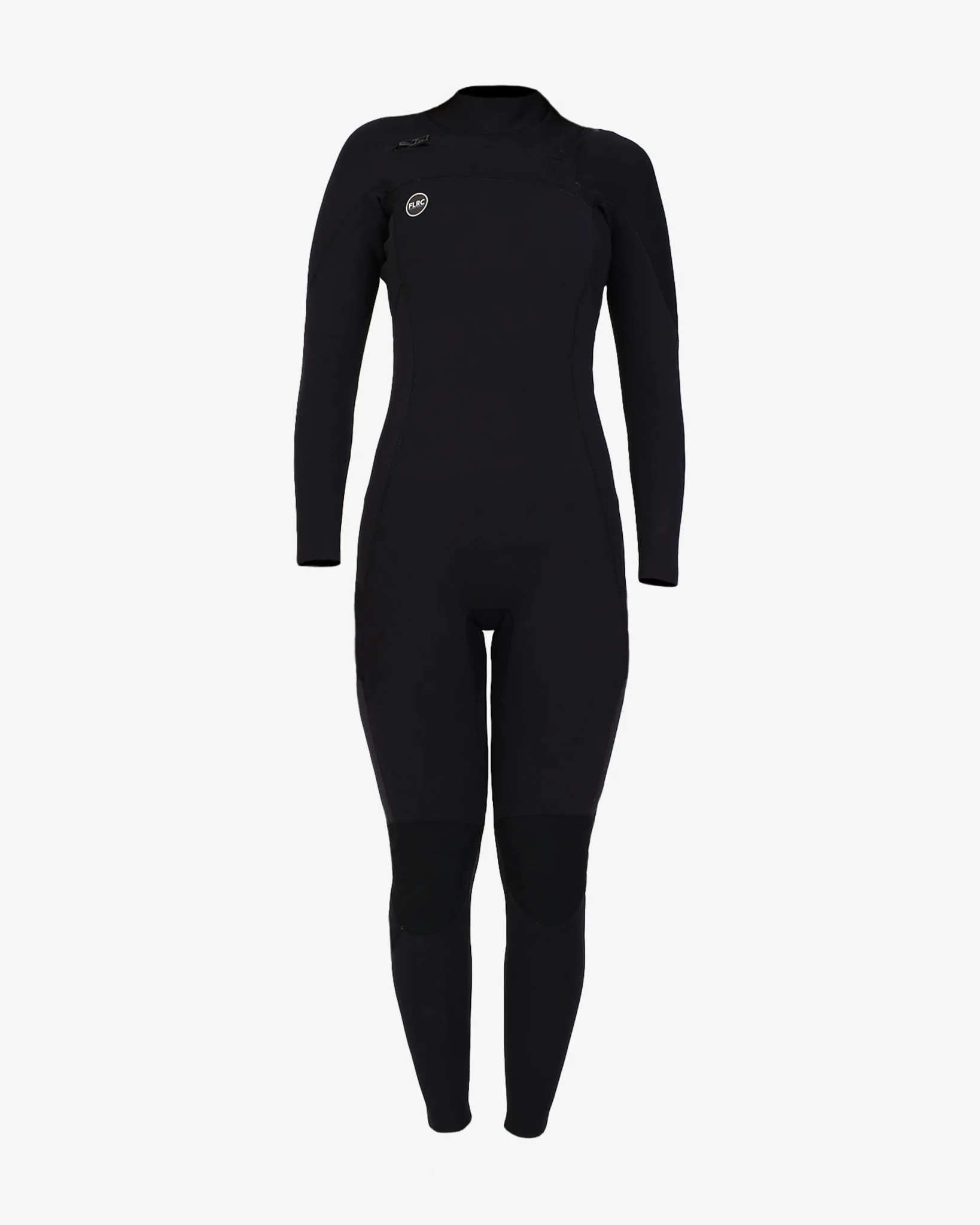
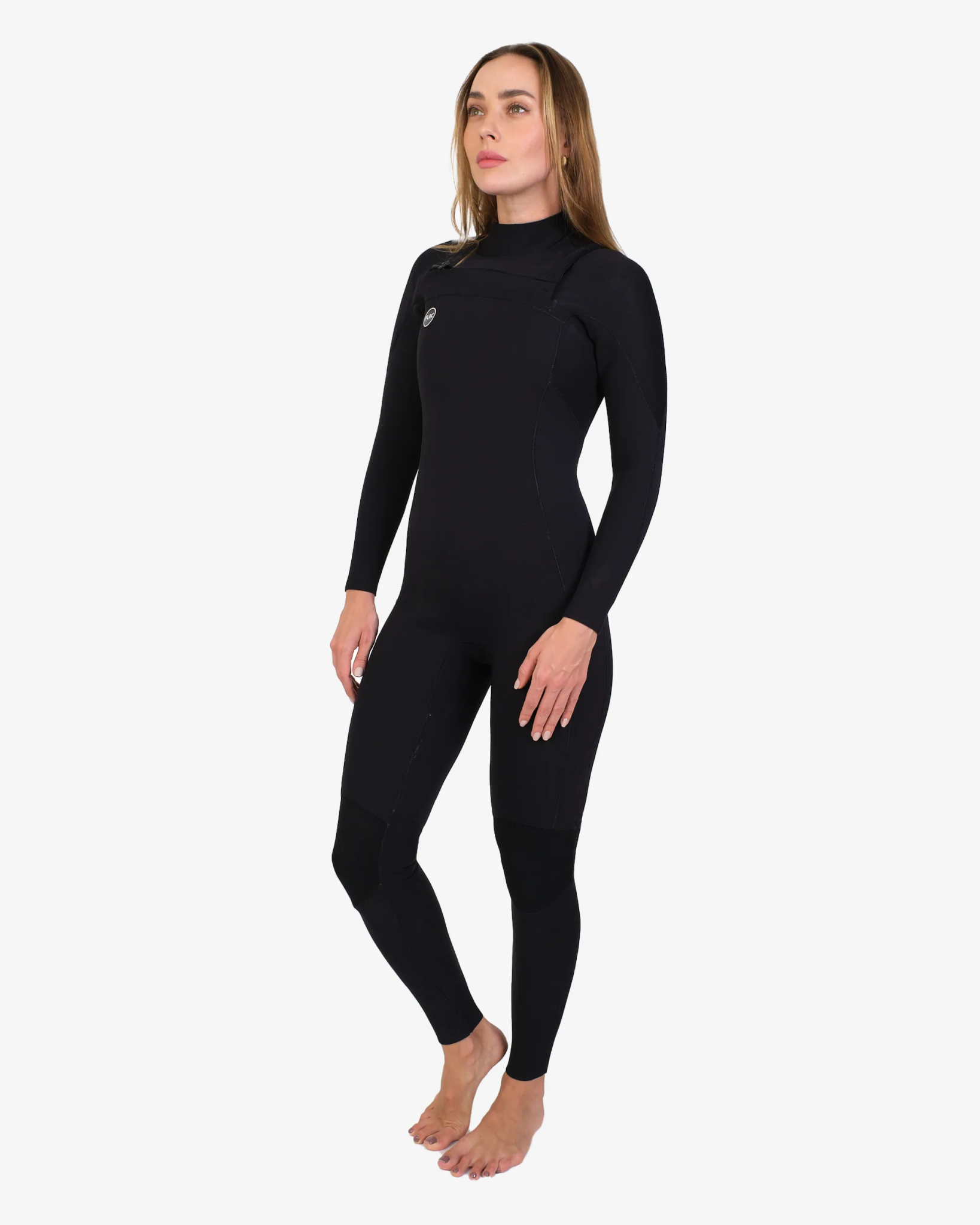
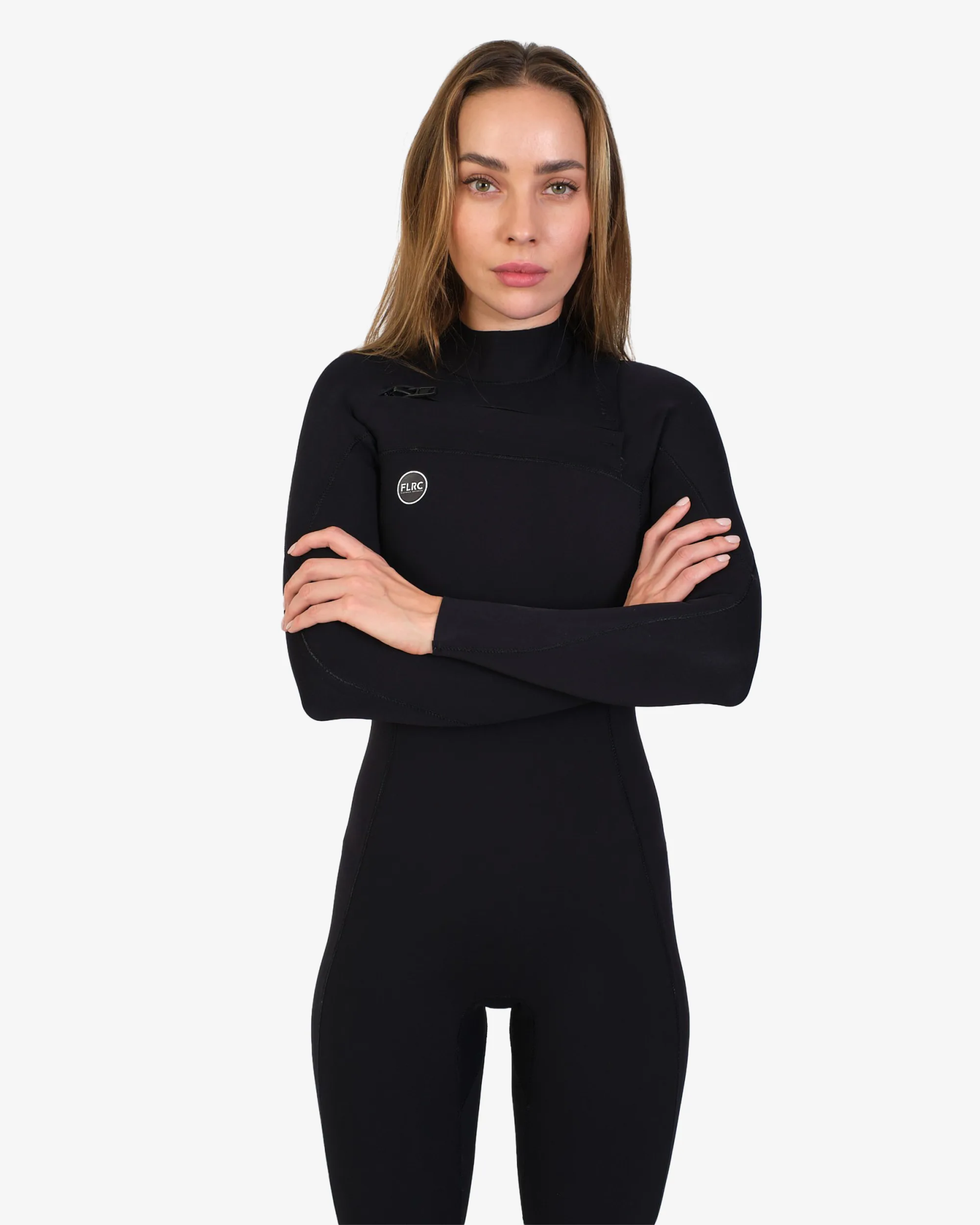
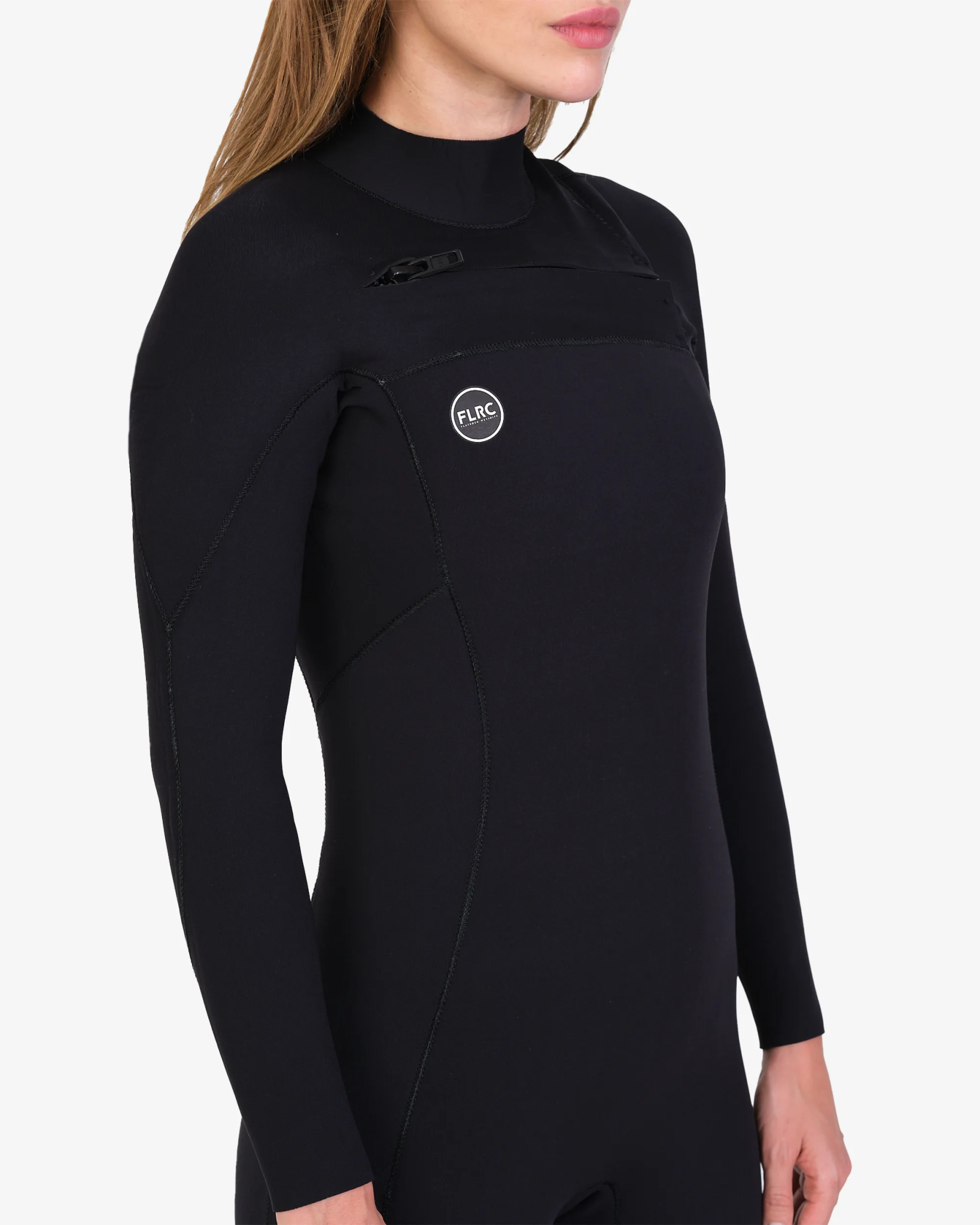
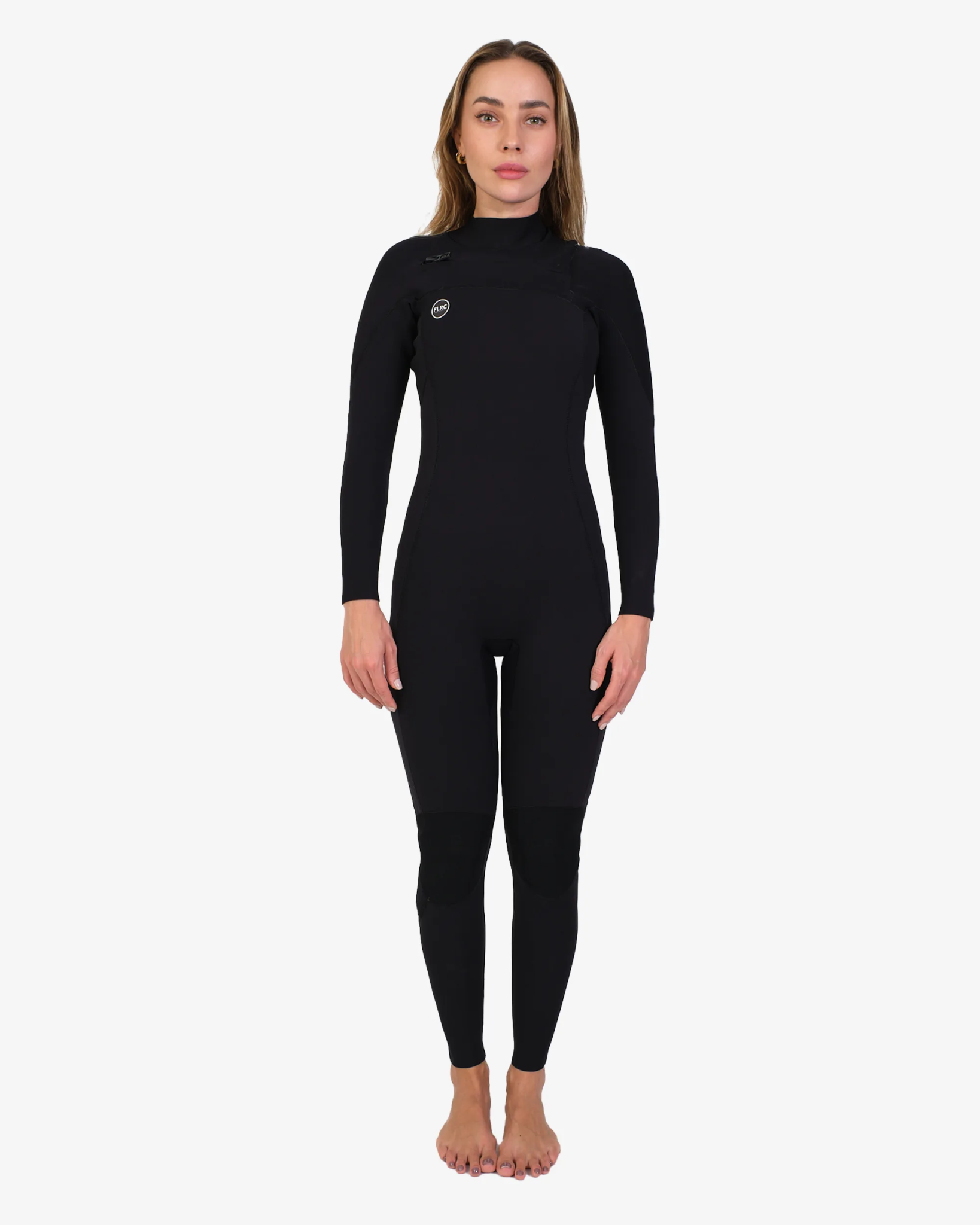
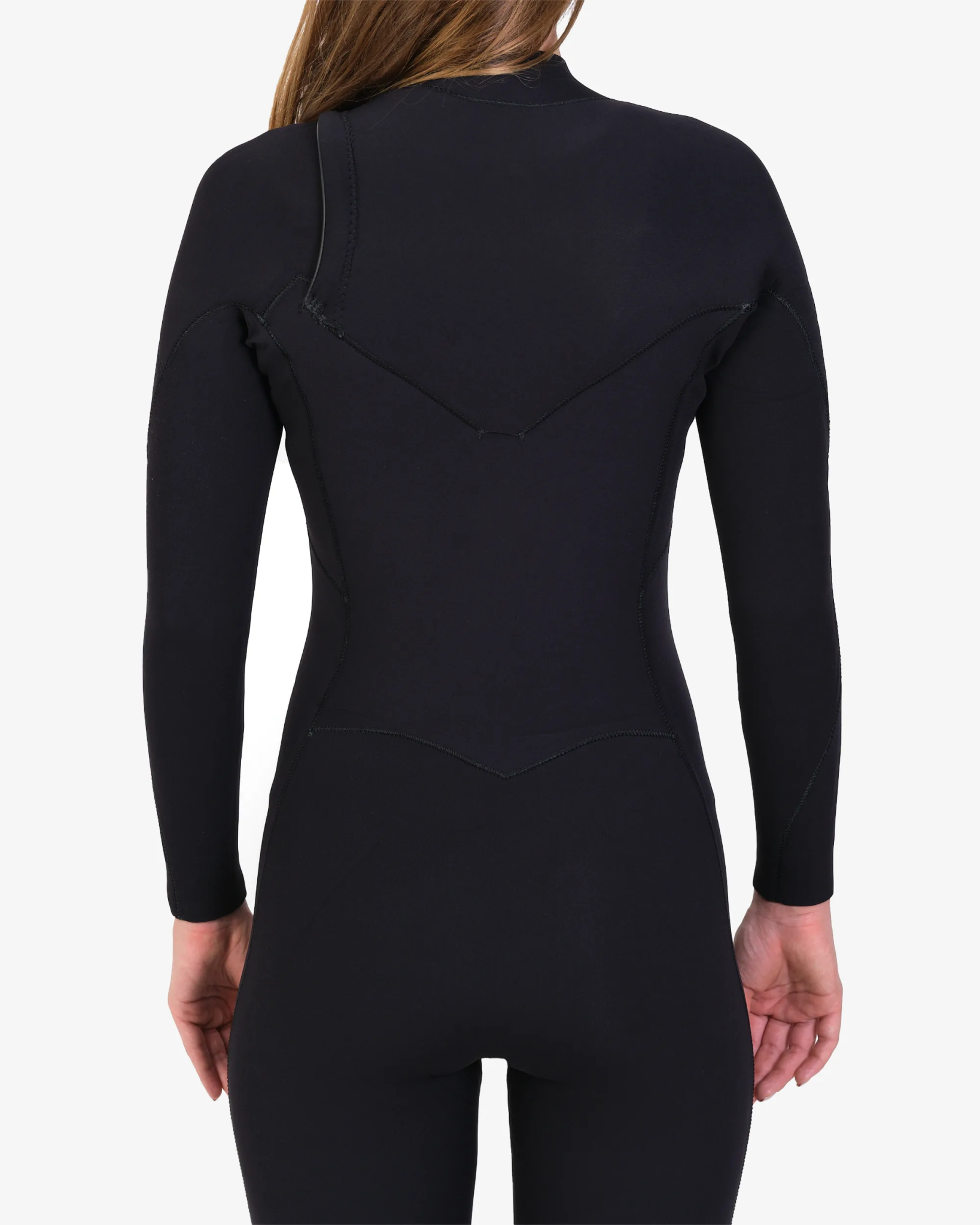
You don't need Pipeline or Teahupo'o to practise any of this. Next time you paddle out, spend the first ten minutes just watching before you catch anything: note where the peak is breaking most consistently, how far the wall runs before it closes out, and where the barrel section actually forms. Sit slightly up from that section rather than right on it, the same principle Curren used at J-Bay, so you're set up ahead of the pocket instead of chasing it. Come winter, once Sydney's water cools off properly, a well-fitted wetty that doesn't restrict your paddle stroke makes a real difference when you need to get into position quickly. Our wetsuit thickness guide covers what suits conditions around the country if you're not sure what to grab from our range. Wave reading is a skill you build through repetition, not one big session, so the more deliberately you watch before you paddle, the faster it comes.
Frequently asked questions
What's the difference between a slab wave and a point break barrel?
A slab like Teahupo'o ledges up suddenly over a shallow reef and gives you almost no time to react, while a point break barrel like J-Bay's Supertubes builds gradually along a long wall, giving you time to set your line before it closes over.
How do you know where to sit to catch a barrel?
Flatrock Surf's approach to positioning starts with watching where a wave is breaking hardest and most consistently, then sitting slightly up the point or reef from that section so you're ahead of the pocket instead of chasing it.
Can beginners practise reading barrels at a beach break?
Yes, beach breaks are a safe place to start, since you can watch how the shoulder throws before it closes out and practise reading that shape without the consequences of a heavy reef.
What is considered the most dangerous barrel ever ridden in competition?
Many surfers point to the waves ridden during the 2011 Code Red swell at Teahupo'o, where wave size and a shallow reef combined to make positioning and commitment a matter of survival rather than style.
Does wetsuit fit affect your ability to position for a barrel?
Yes, a wetsuit that restricts your shoulders or paddle stroke slows you down at the exact moment you need to get into position, so fit matters as much as thickness once conditions get serious.