The surf lineup has rules, and most of them aren't written down anywhere. Right of way goes to whoever's closest to the peak or already up and riding, you paddle around the pack rather than through it, and if you stuff up and drop in on someone, you own it and apologise. At Flatrock Surf, we reckon the social side of your first few sessions trips people up more than the physical side ever does.
Nobody hands you a rulebook before your first paddle out. You learn wave selection, duck diving and how to read a forecast, but the unwritten code of the lineup, who goes, who yields, how to say sorry, gets left out of most beginner advice. Get it wrong at a busy spot like Manly or Cronulla and you'll cop a filthy look at best. Get it right and you'll paddle back out to a nod instead of a glare.
This is the stuff nobody tells you before your first session. Here's how the lineup actually works.
What is right of way in the surf lineup?
The surfer closest to the peak, the point where the wave first breaks, has right of way. If someone's already up and riding, the wave is theirs, full stop. Whoever is deepest and furthest along the wave gets priority over anyone else paddling for it.
This rule exists because having two surfers on the same wave is dangerous, not just annoying. Boards have fins and sharp rails, and a collision at speed can do real damage. Learning to read who's got priority matters more than your pop-up technique in those first few sessions. If you're still working out which board suits your level, our guide to the best surfboards for beginners covers the stability and paddle speed that help you keep up with the pack while you're learning the rules.
How do you paddle out without getting in everyone's way?
Paddle out around the impact zone, not through it. Every beginner break has a channel, a stretch of deeper, calmer water off to the side where the waves aren't breaking, and that's your path out. Paddling straight through the pack is how you end up wearing someone's board or forcing a surfer to bail a good wave to avoid you.
If you can't avoid crossing someone's line, go behind them on the whitewash side, never out in front. And if you get caught inside with a wave bearing down, paddle wide rather than sitting in the takeoff zone hoping it closes out before it reaches you.
What is snaking, and why does it wreck your reputation in the lineup?
Snaking is paddling around someone to jump the queue for priority, cutting inside them at the last second to steal a wave that was rightfully theirs. It's one of the fastest ways to earn a bad name at your local break, and word travels fast at small, tight-knit spots.
The lineup runs on a rotation, not a first-come-first-served scramble. Wait your turn, and when it's genuinely yours, back yourself and go. Beginners often snake by accident, paddling wherever there's space rather than watching where they sit relative to everyone else. Slow down, watch a few sets before you paddle out, and get a feel for how the rotation moves at that particular spot.
What should you do if you drop in on someone by accident?
Pull off the wave as soon as you realise, even if that means giving up a good ride. Staying on the wave after you've clocked your mistake is what turns an accident into a genuine problem.
It happens to everyone early on. Reading priority takes reps, and you'll get it wrong a few times before it clicks. What matters most is what you do next.
How do you apologise and recover after a lineup mistake?
Paddle over, say sorry, and mean it. A short, direct apology goes a long way, and most surfers will accept it without a second thought if it's genuine and you don't repeat it. What doesn't work is arguing about who actually had priority. Even if you think you were in the right, a crowded lineup is not the place to litigate it.
At Flatrock Surf, we tell every beginner the same thing: in a new lineup, respect has less to do with how well you surf and everything to do with how you handle the moment you get it wrong. If you keep making the same mistake at the same spot, sit wide for a session and just watch. Learning to read a lineup from the outside, who's sitting where, how the sets are breaking, who's getting priority, is time well spent and costs you nothing but a few missed waves.
Where can beginners practice lineup etiquette in Sydney?
Manly and Cronulla are two of the more forgiving spots to learn the ropes, with enough beginner traffic that the lineup is used to newer surfers still finding their feet. Forgiving doesn't mean the rules don't apply though, the etiquette is the same everywhere, it's just enforced a little more patiently at spots that see a lot of learners. If you're still deciding where to paddle out, our roundup of Sydney's best surf beaches breaks down which spots suit which skill level.
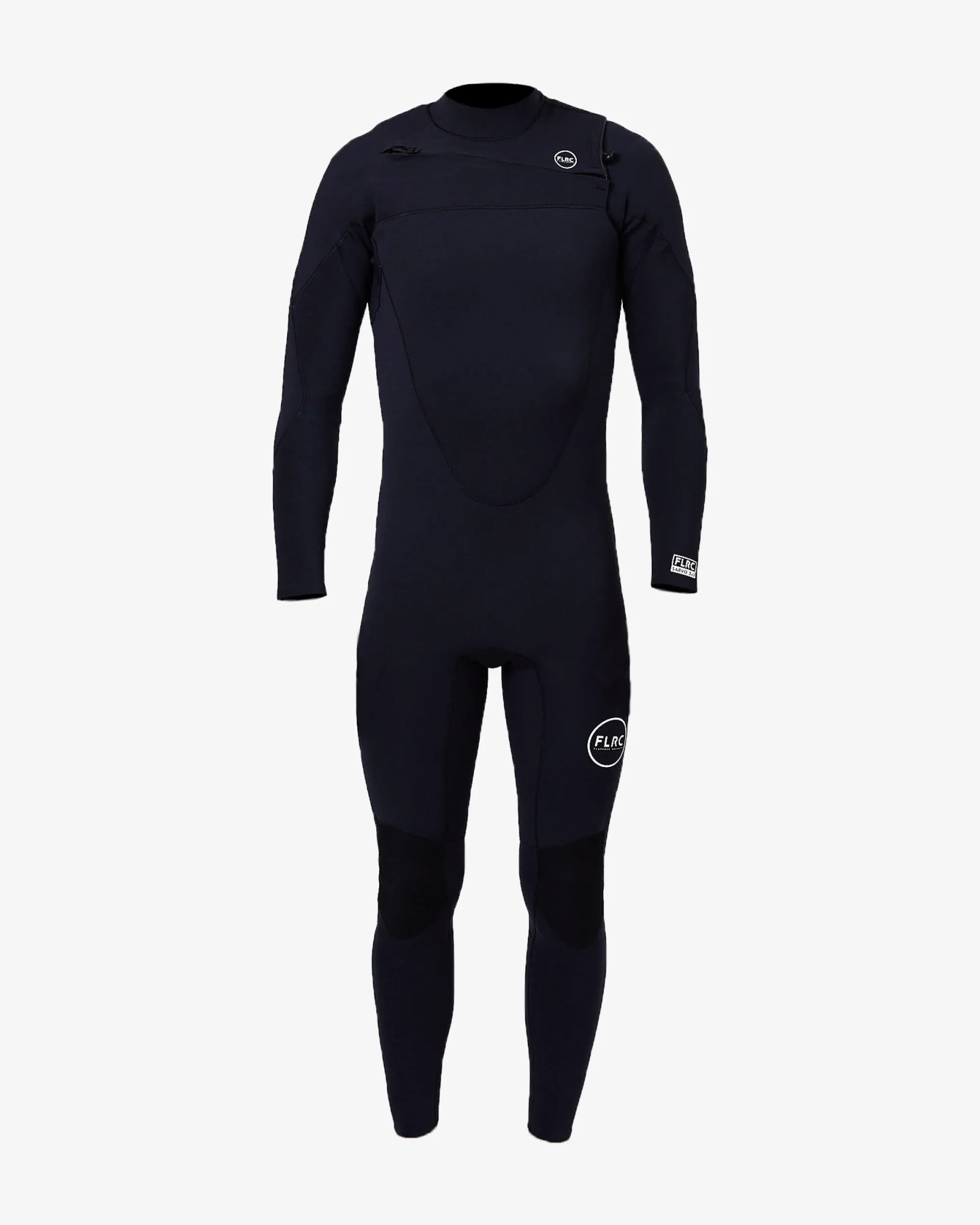
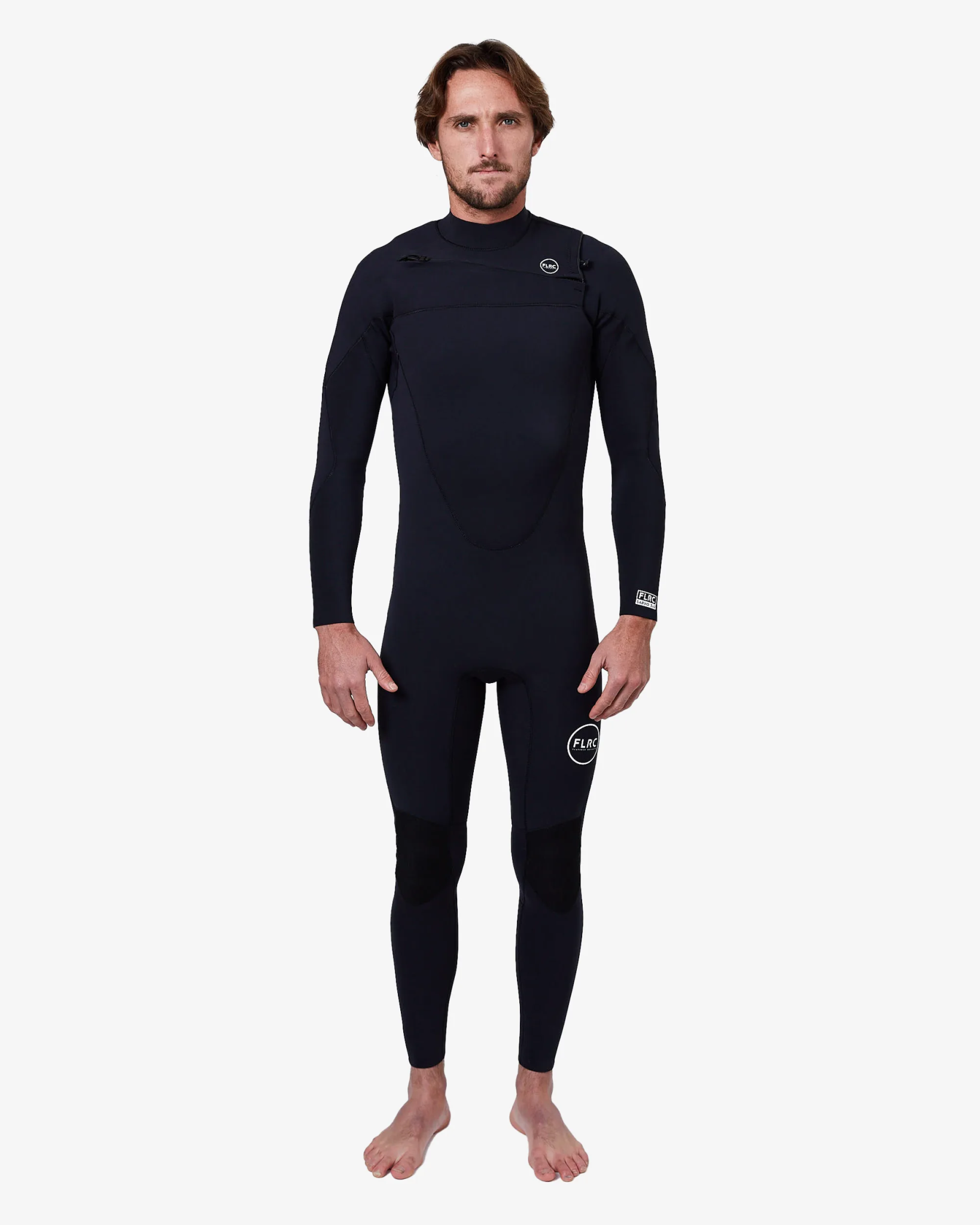
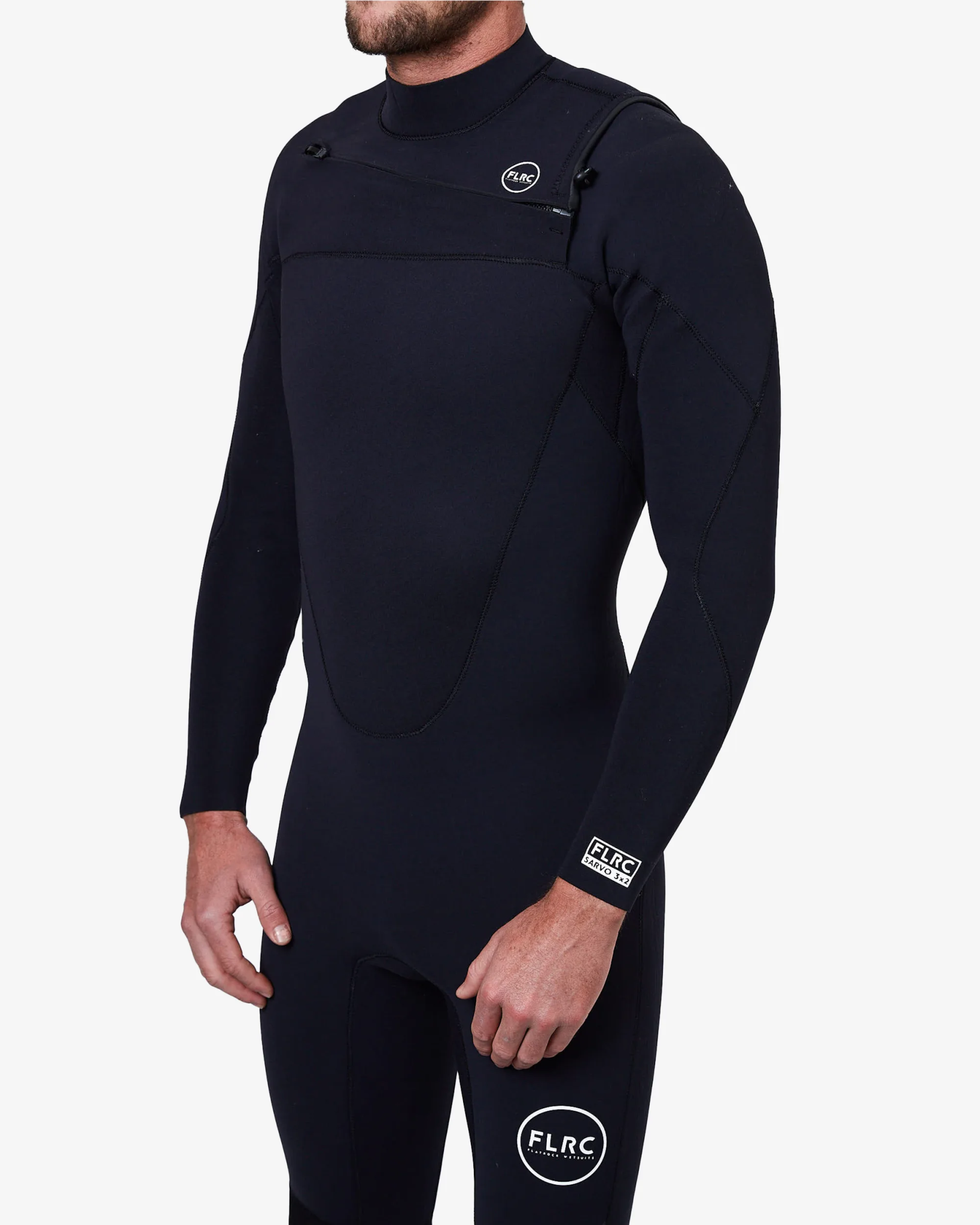
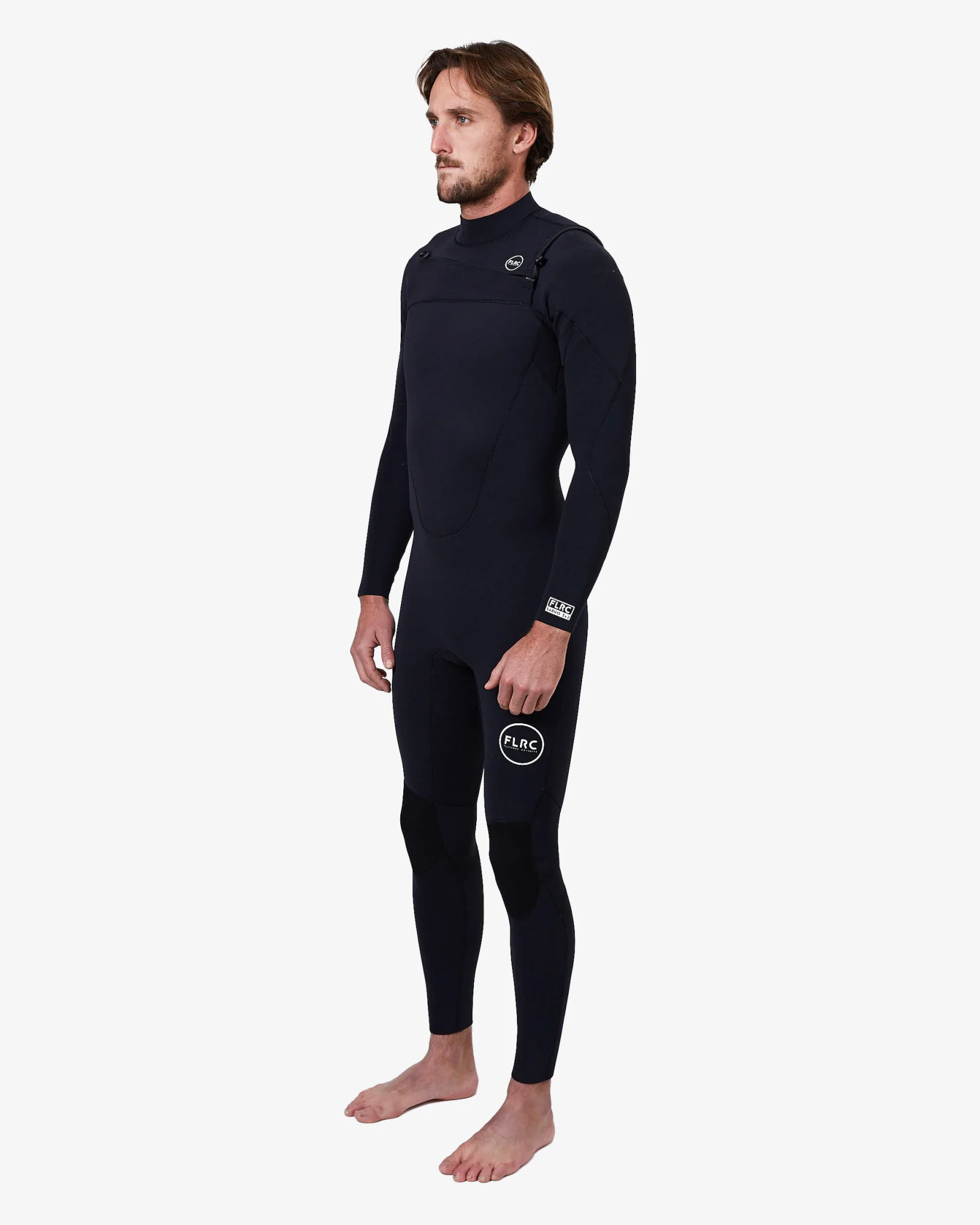
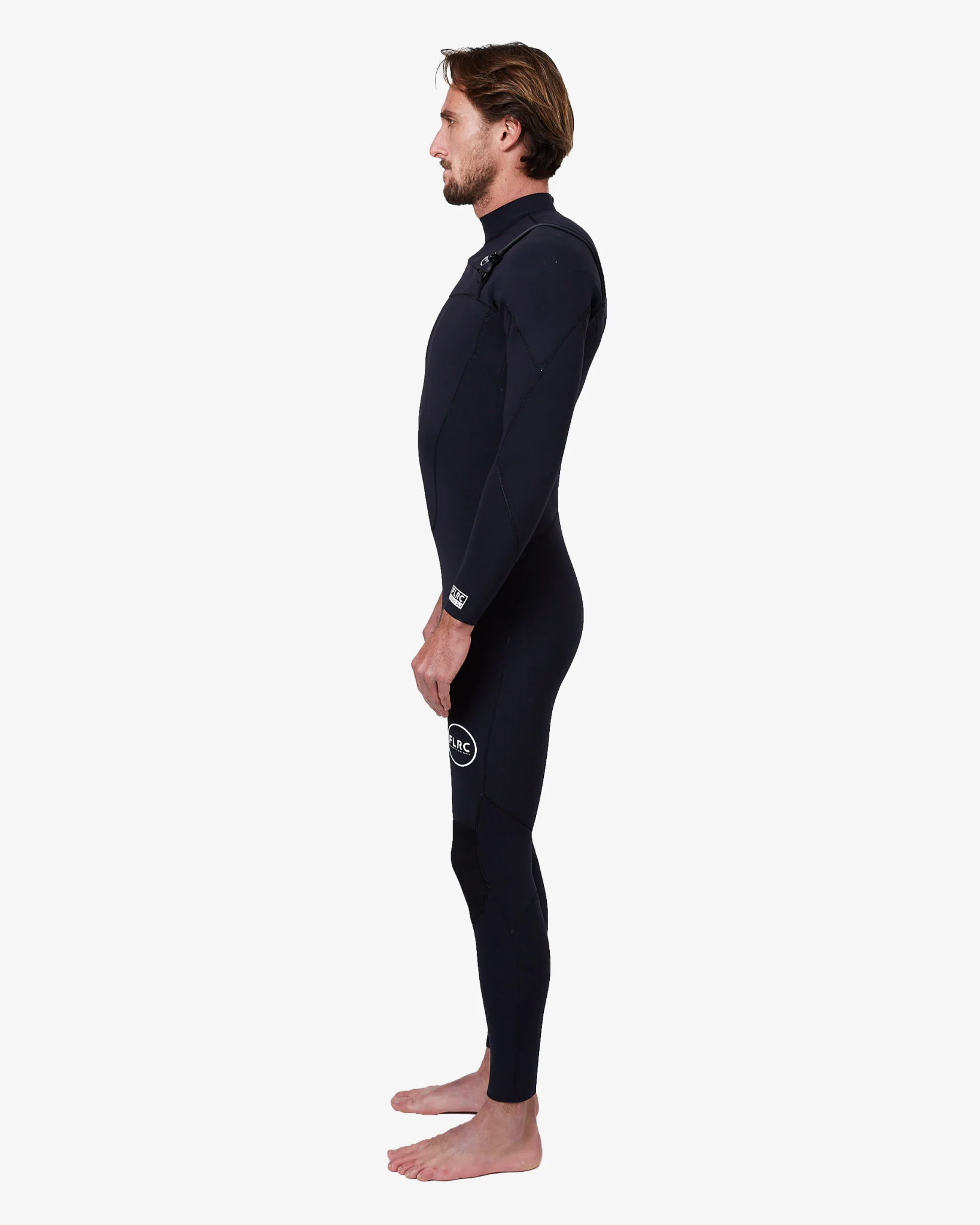
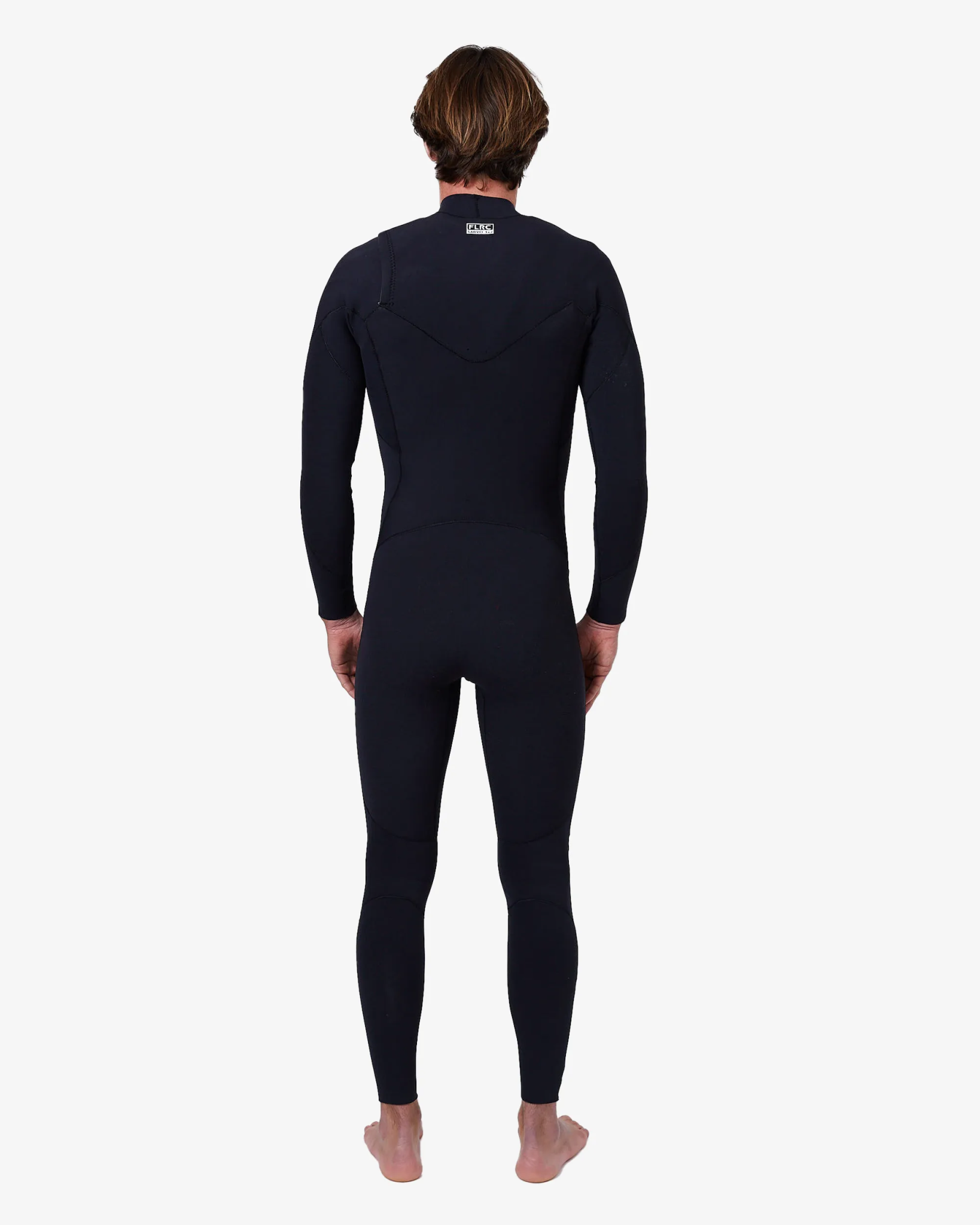
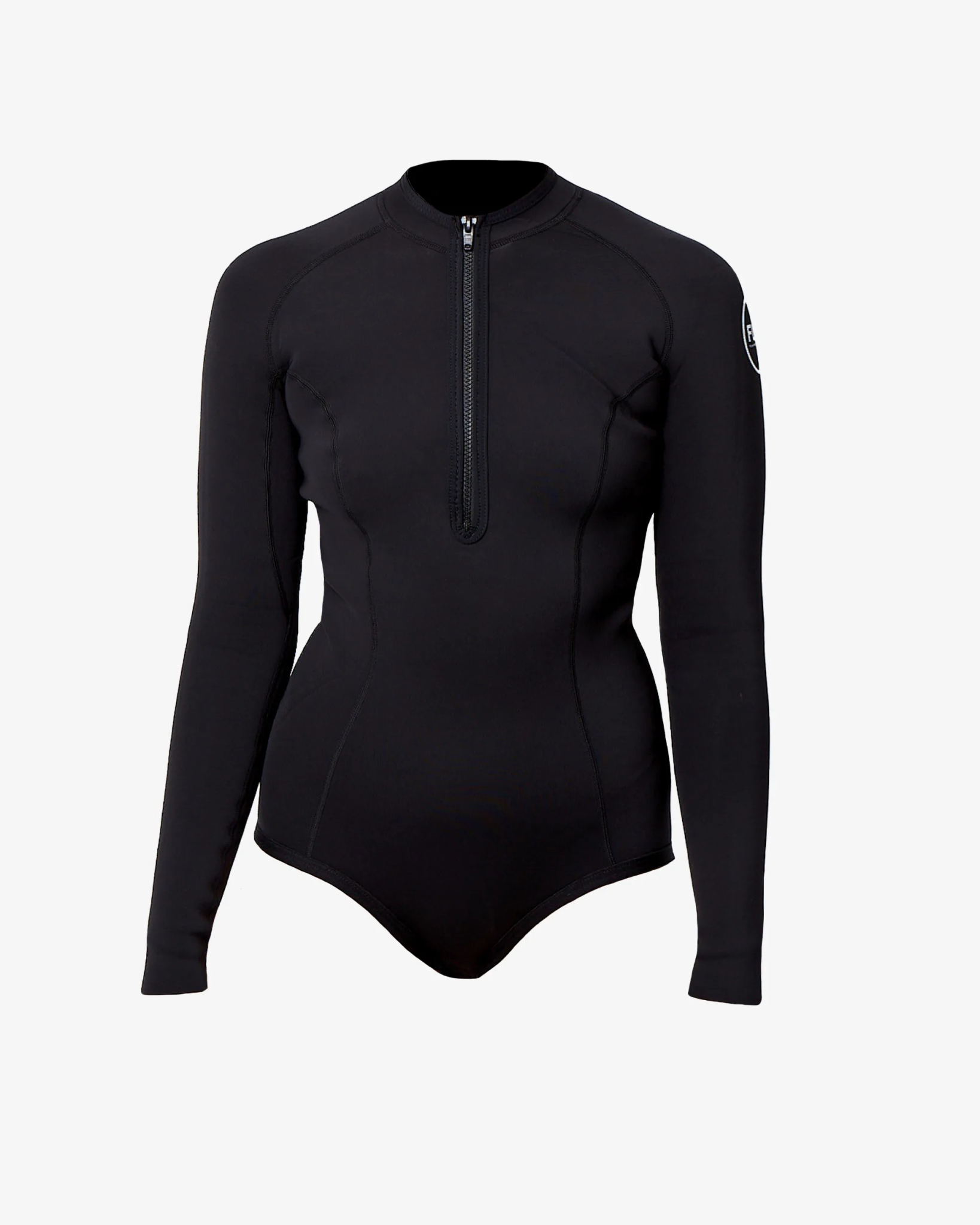
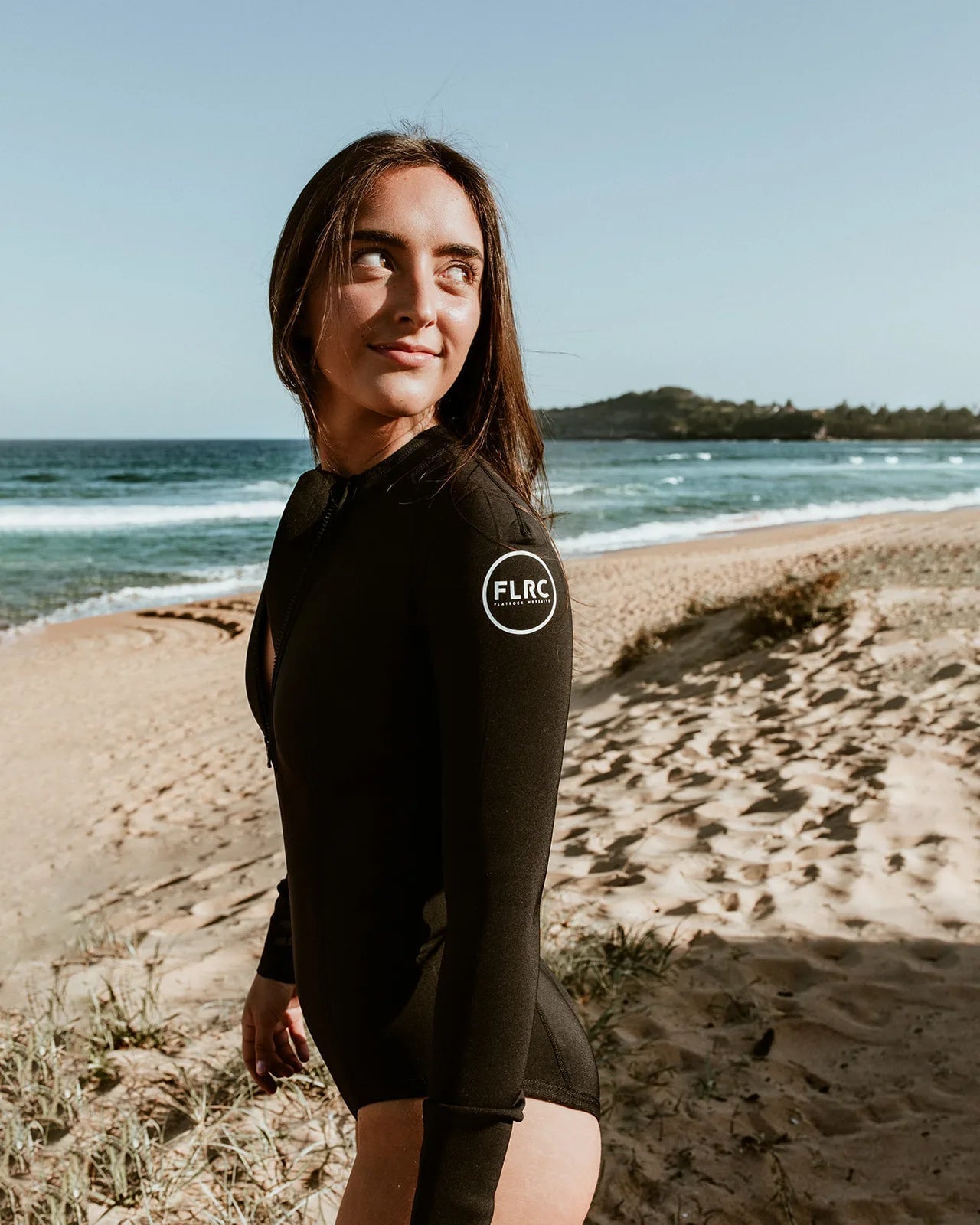
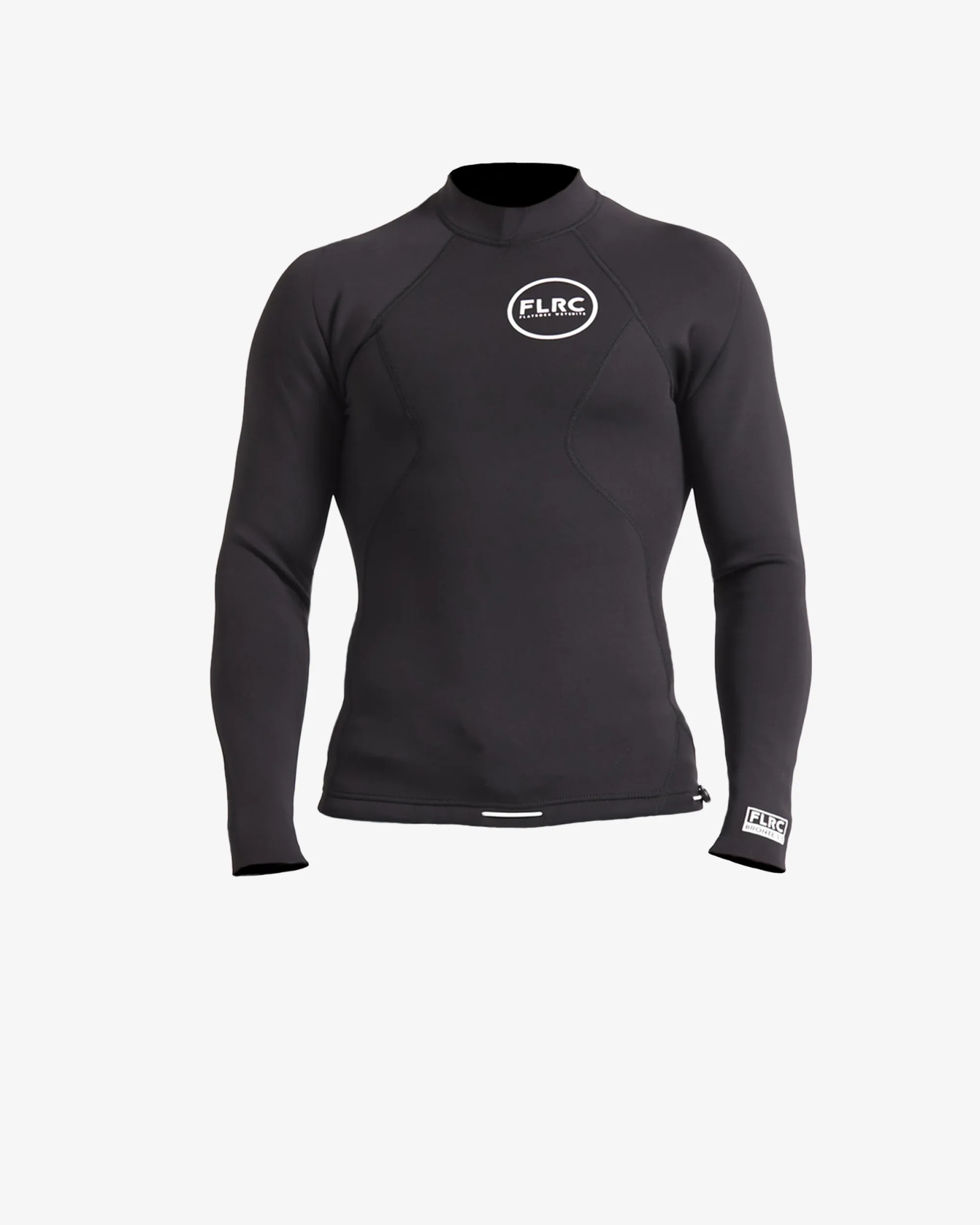
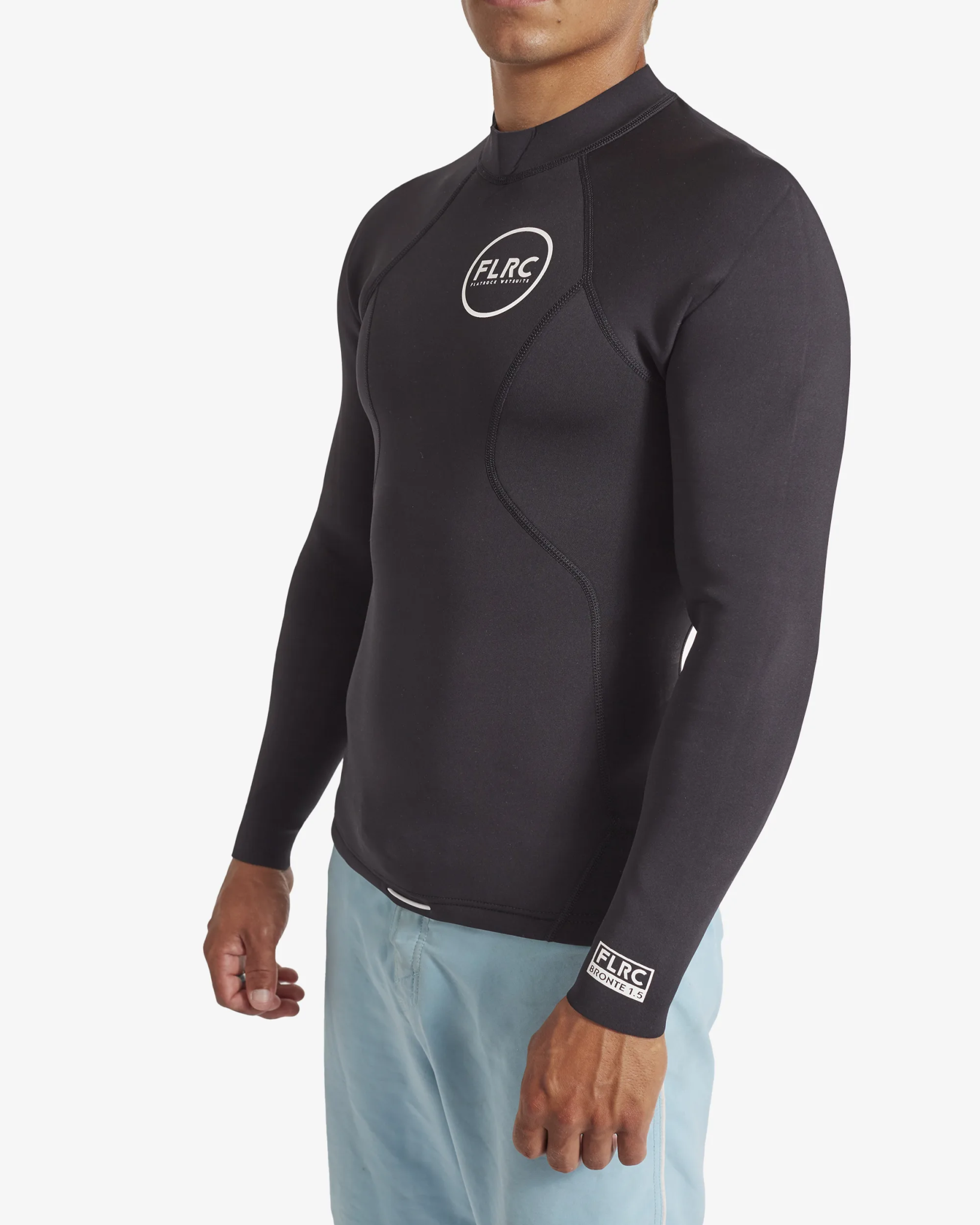
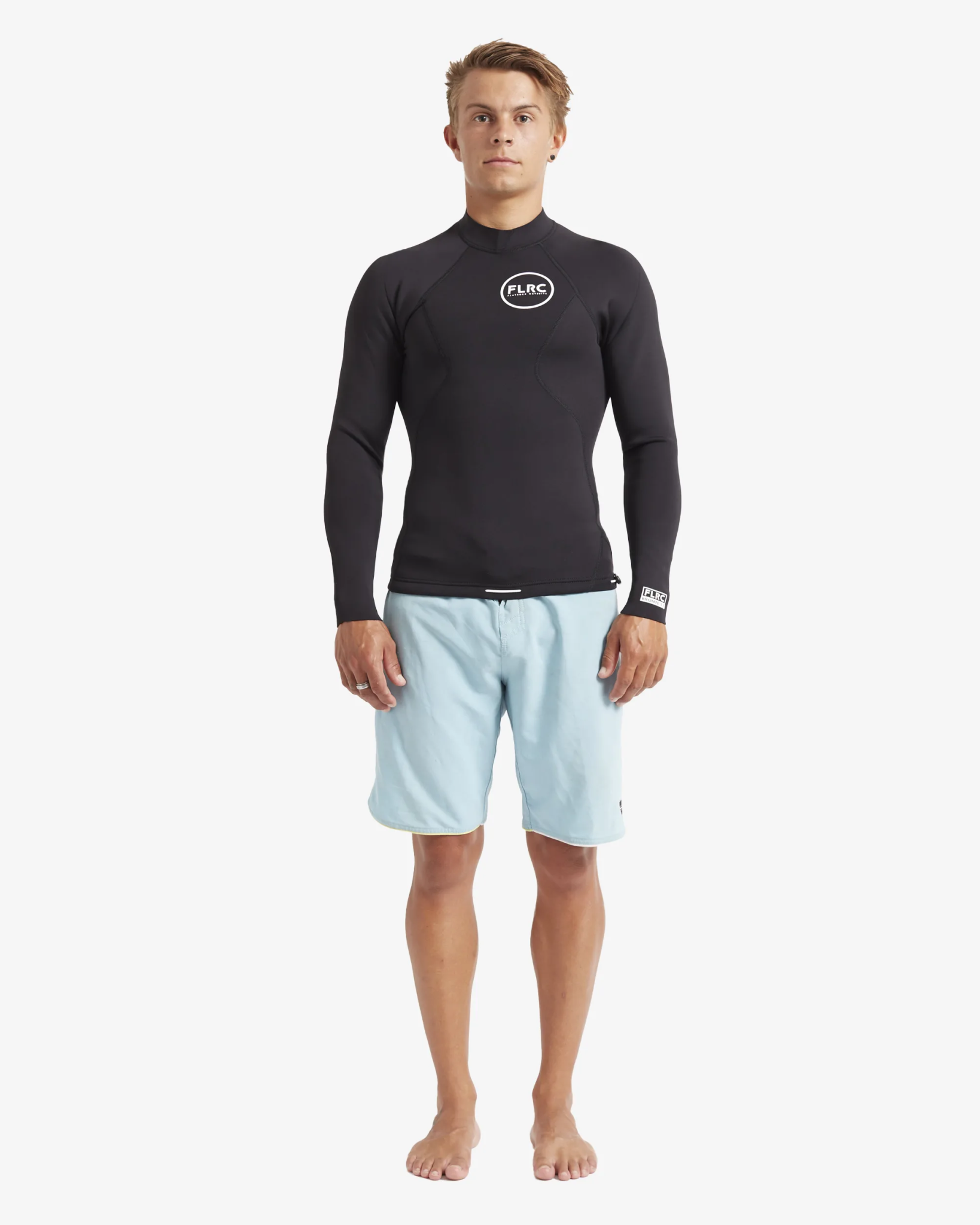
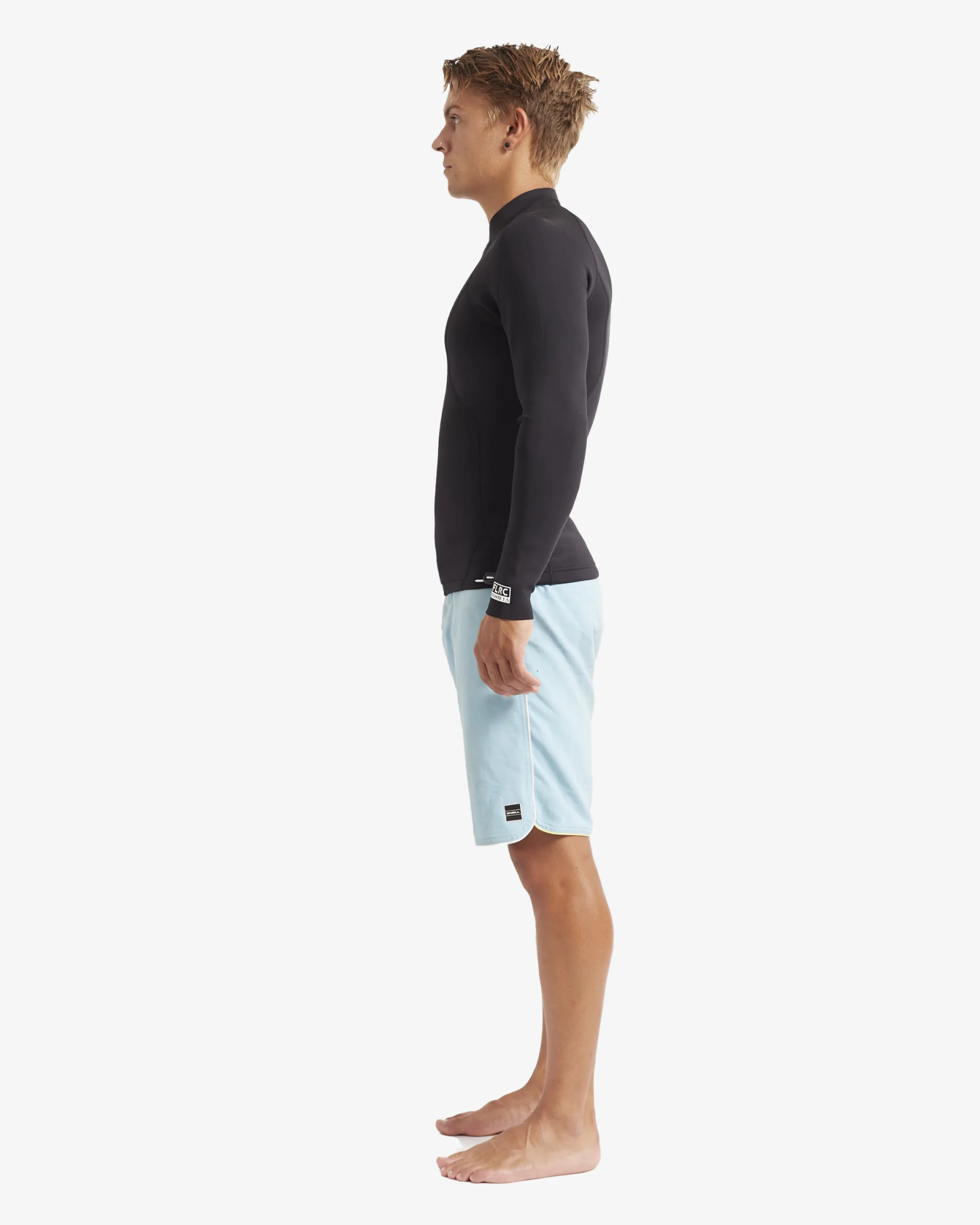
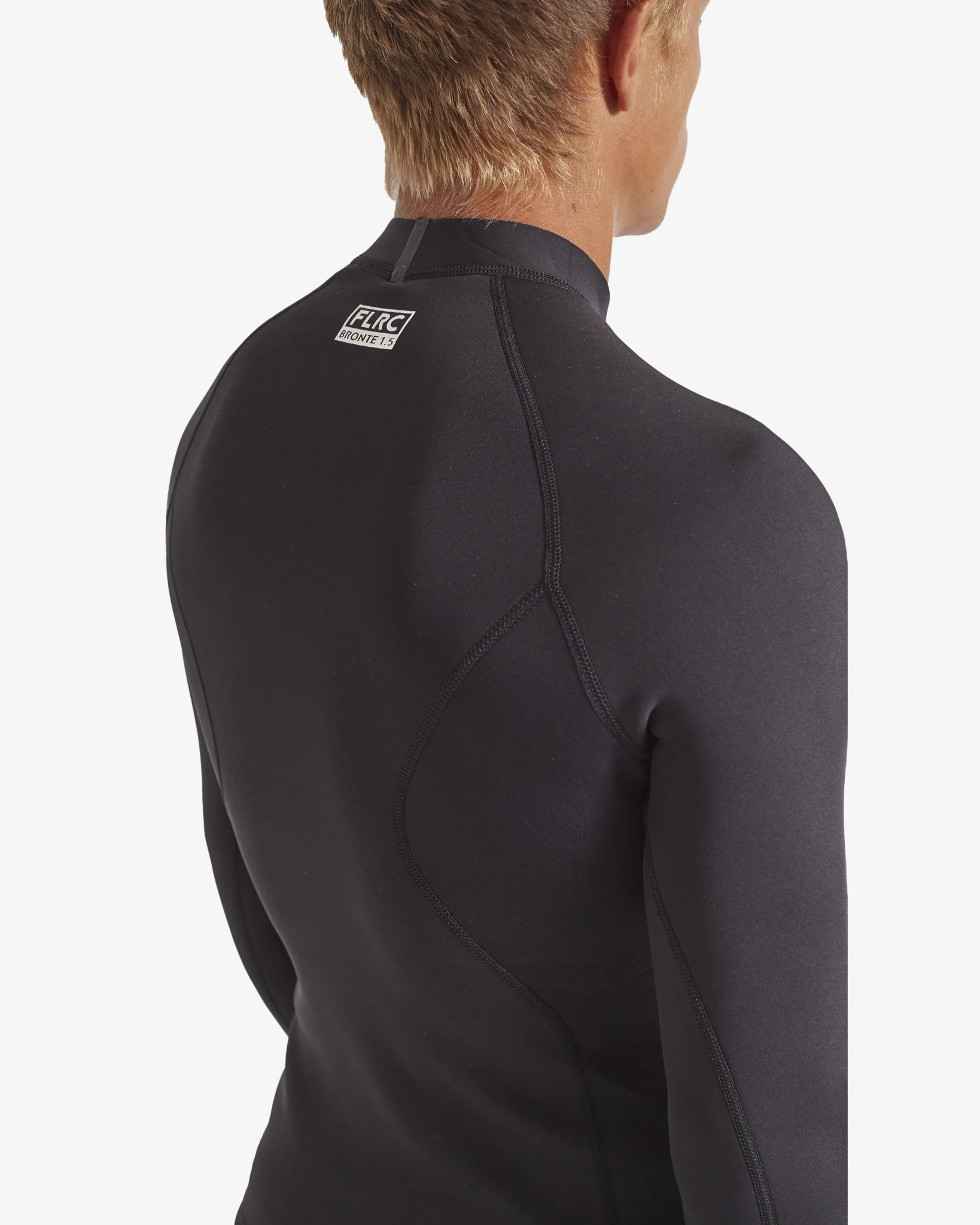
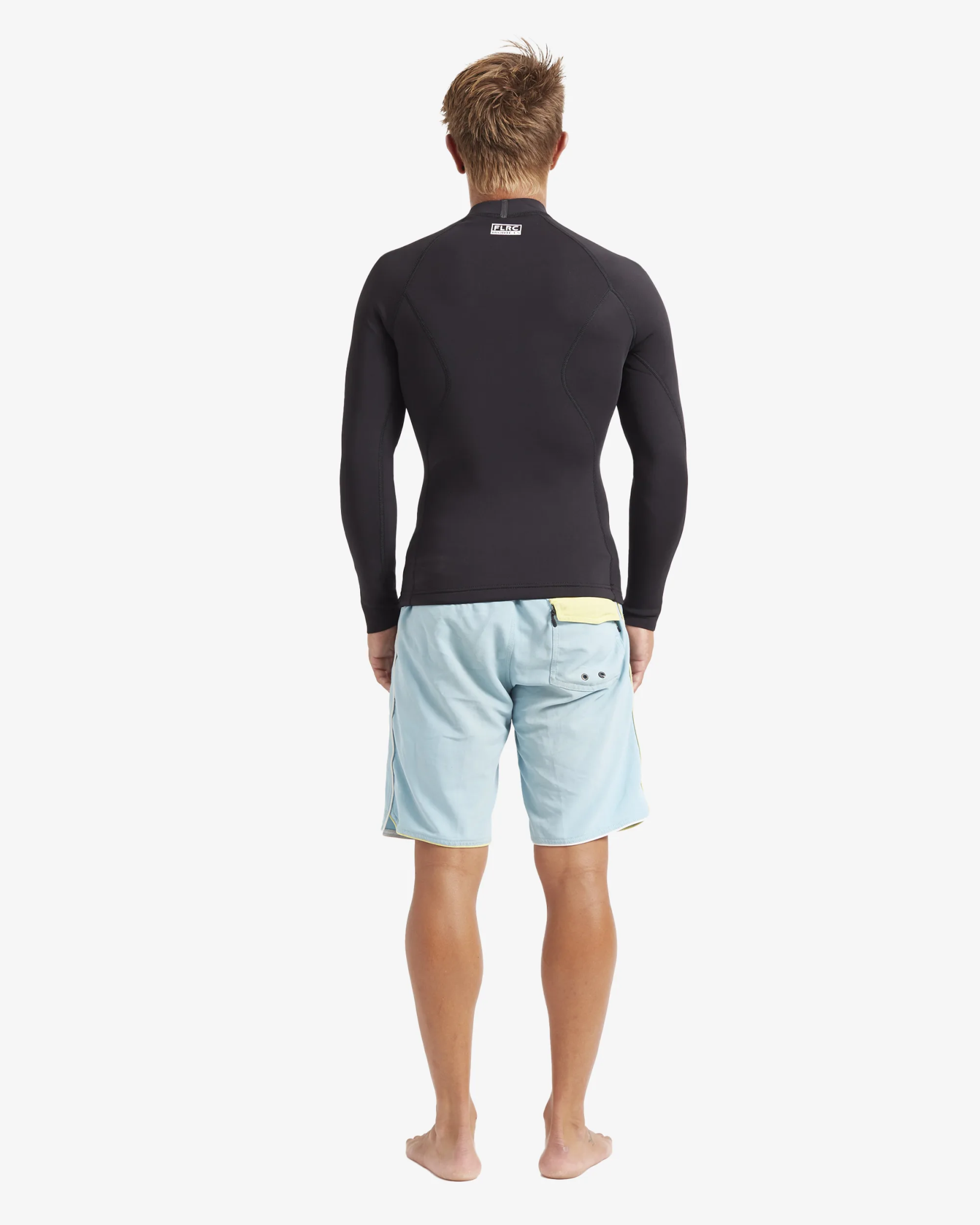
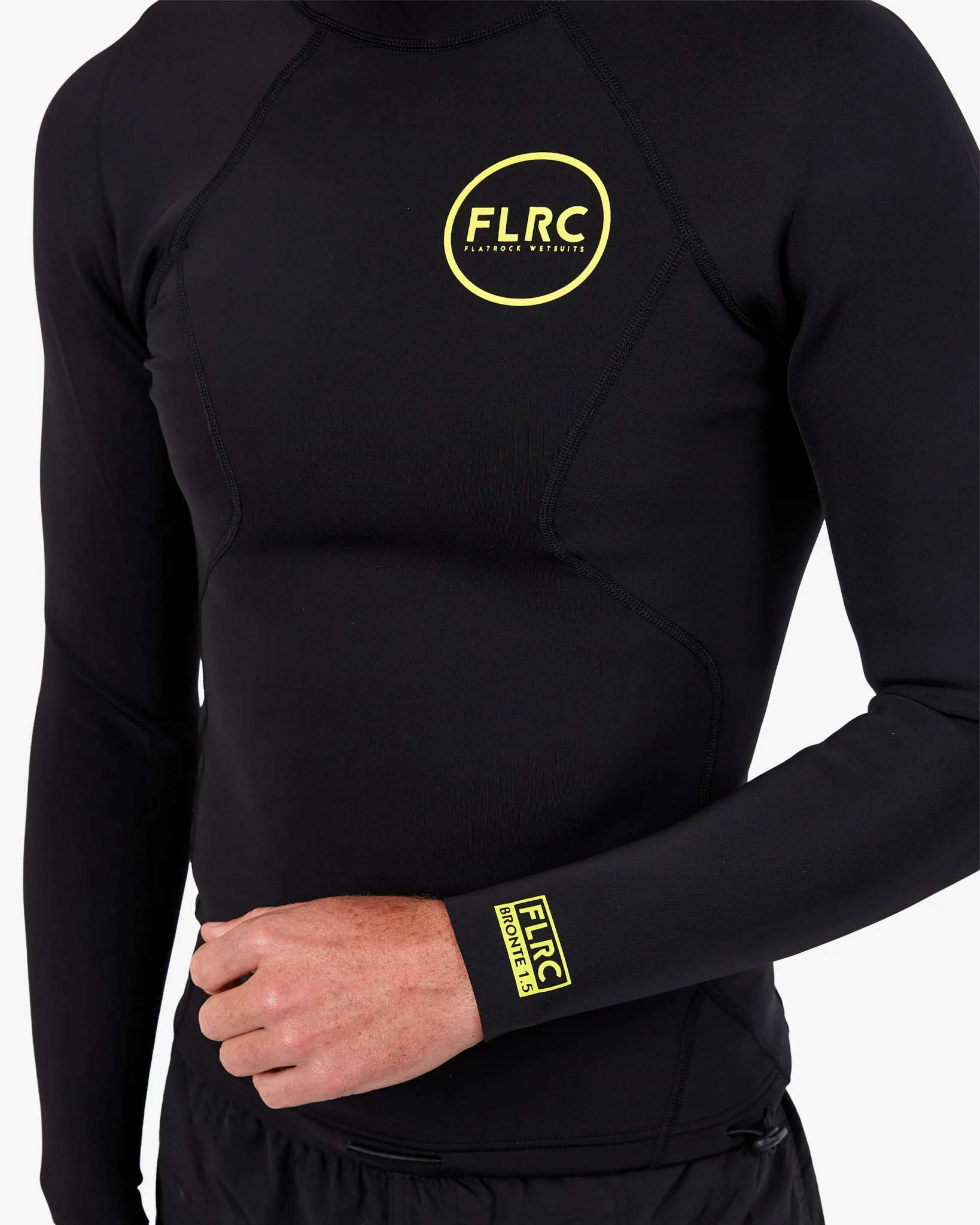
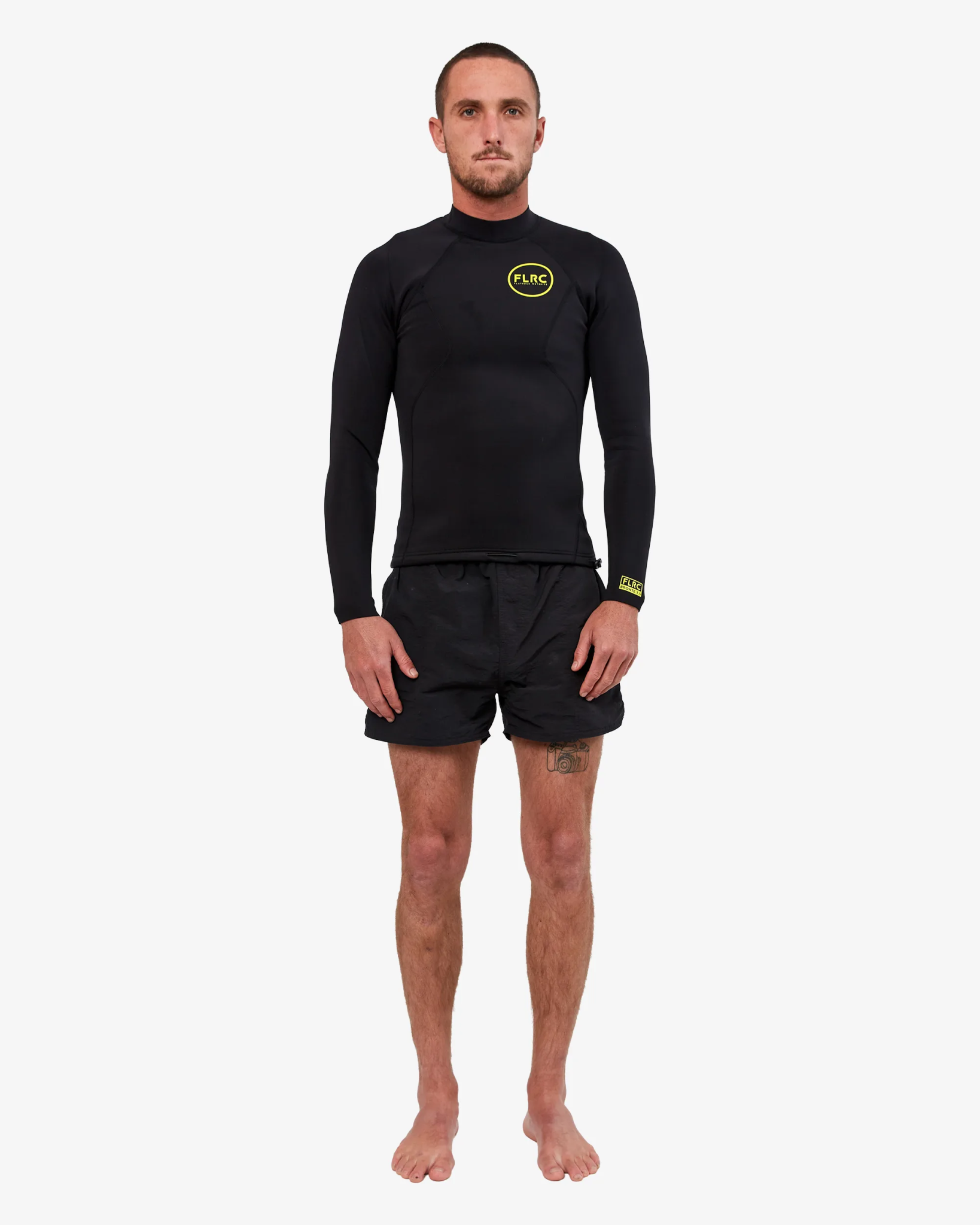
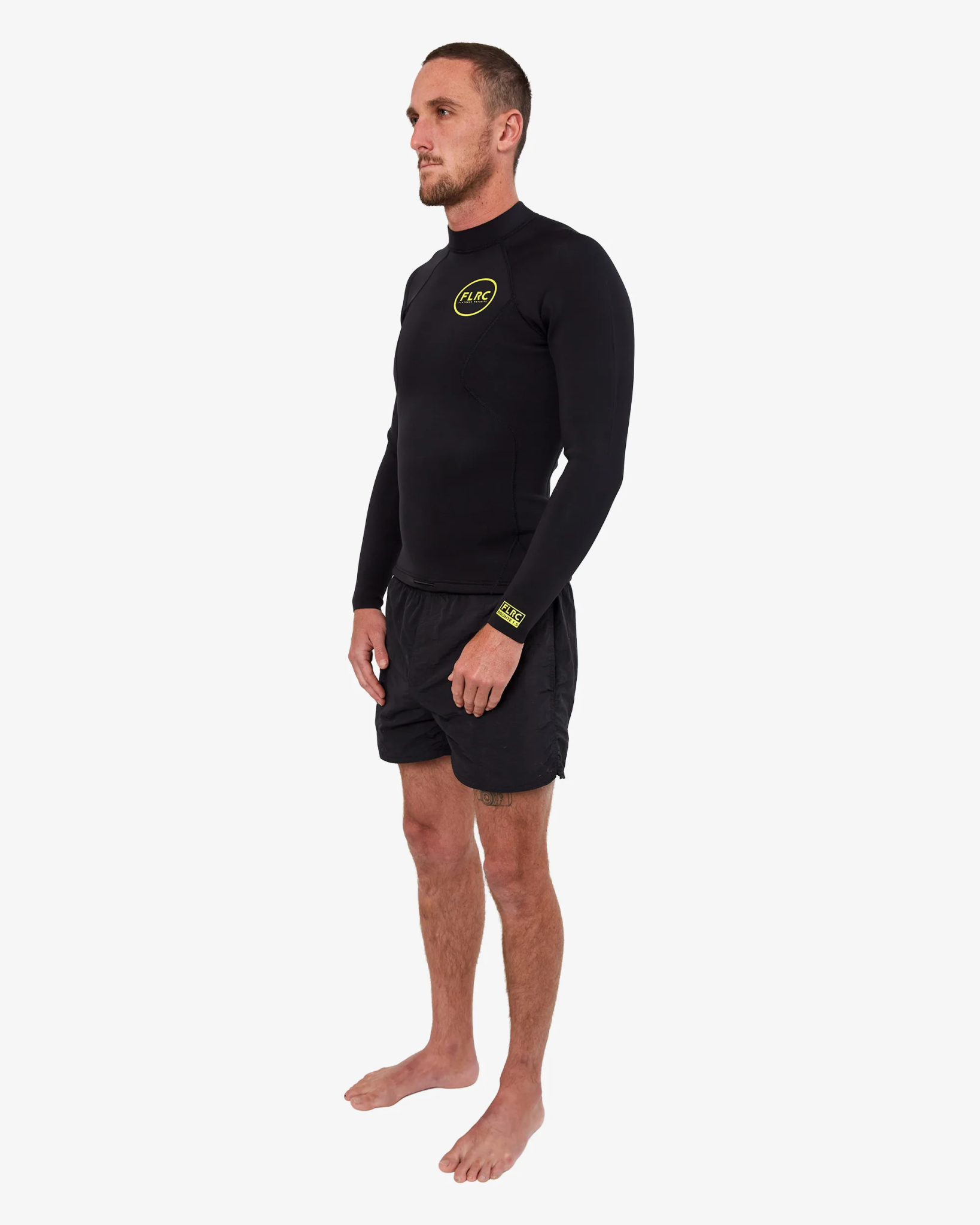
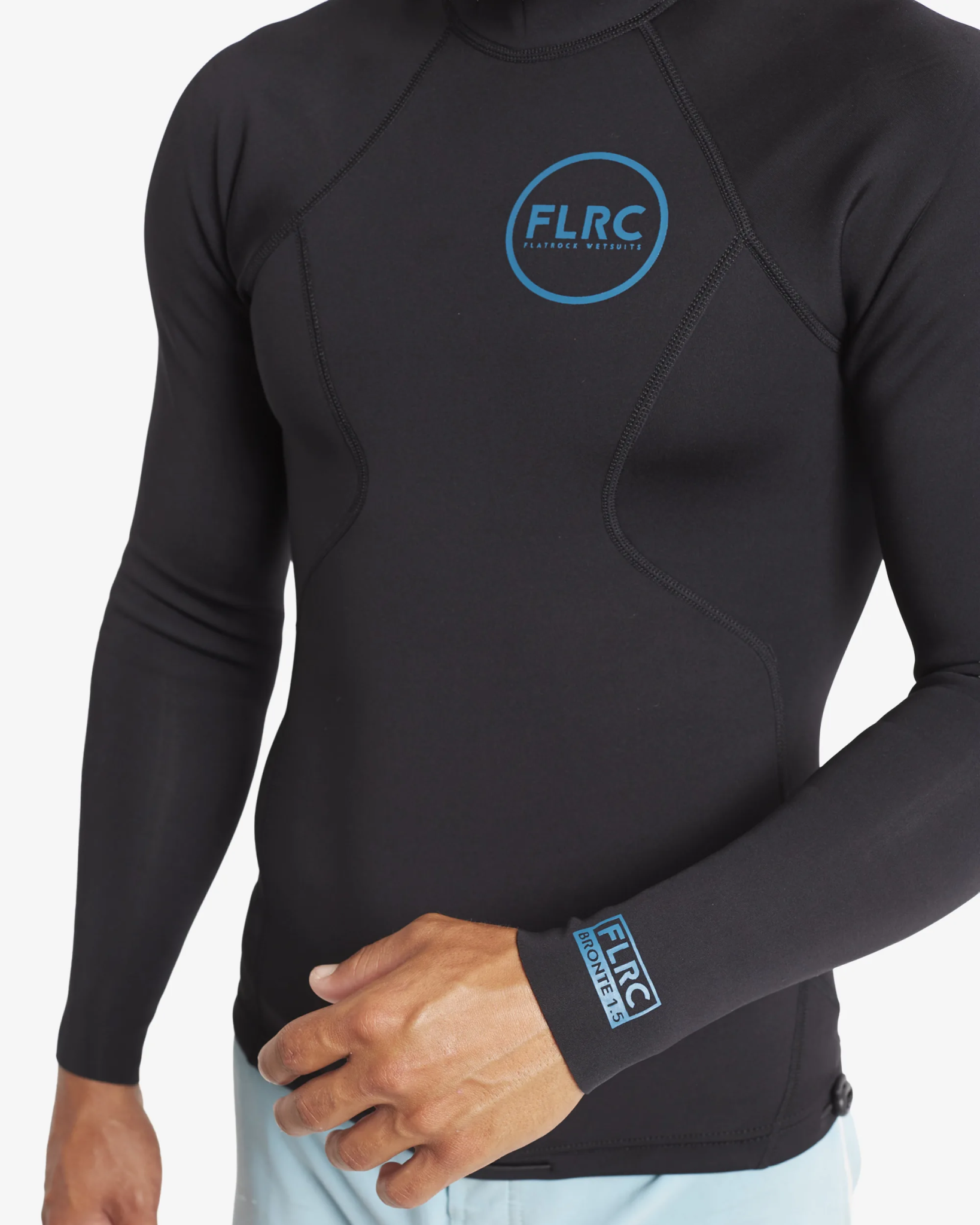
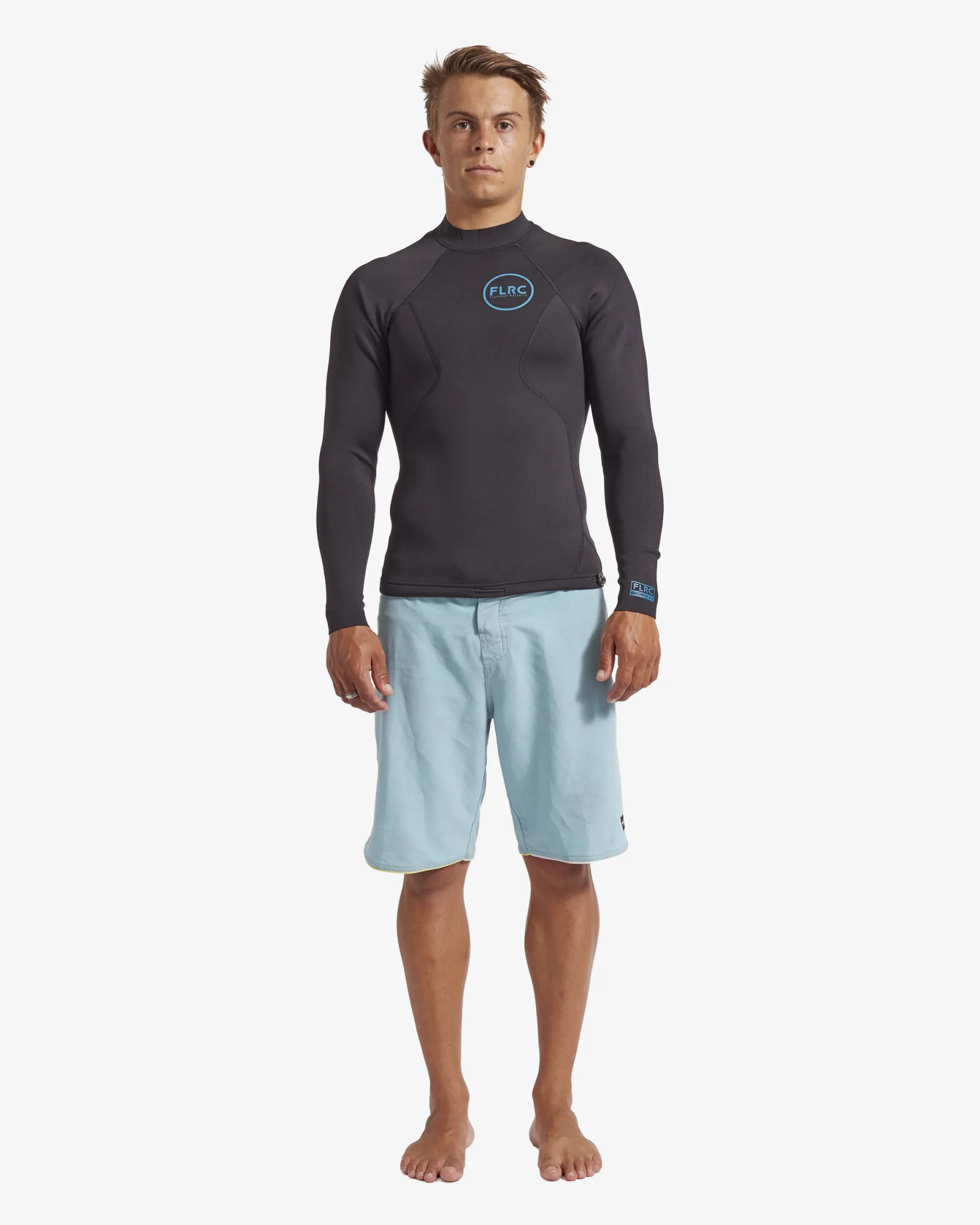
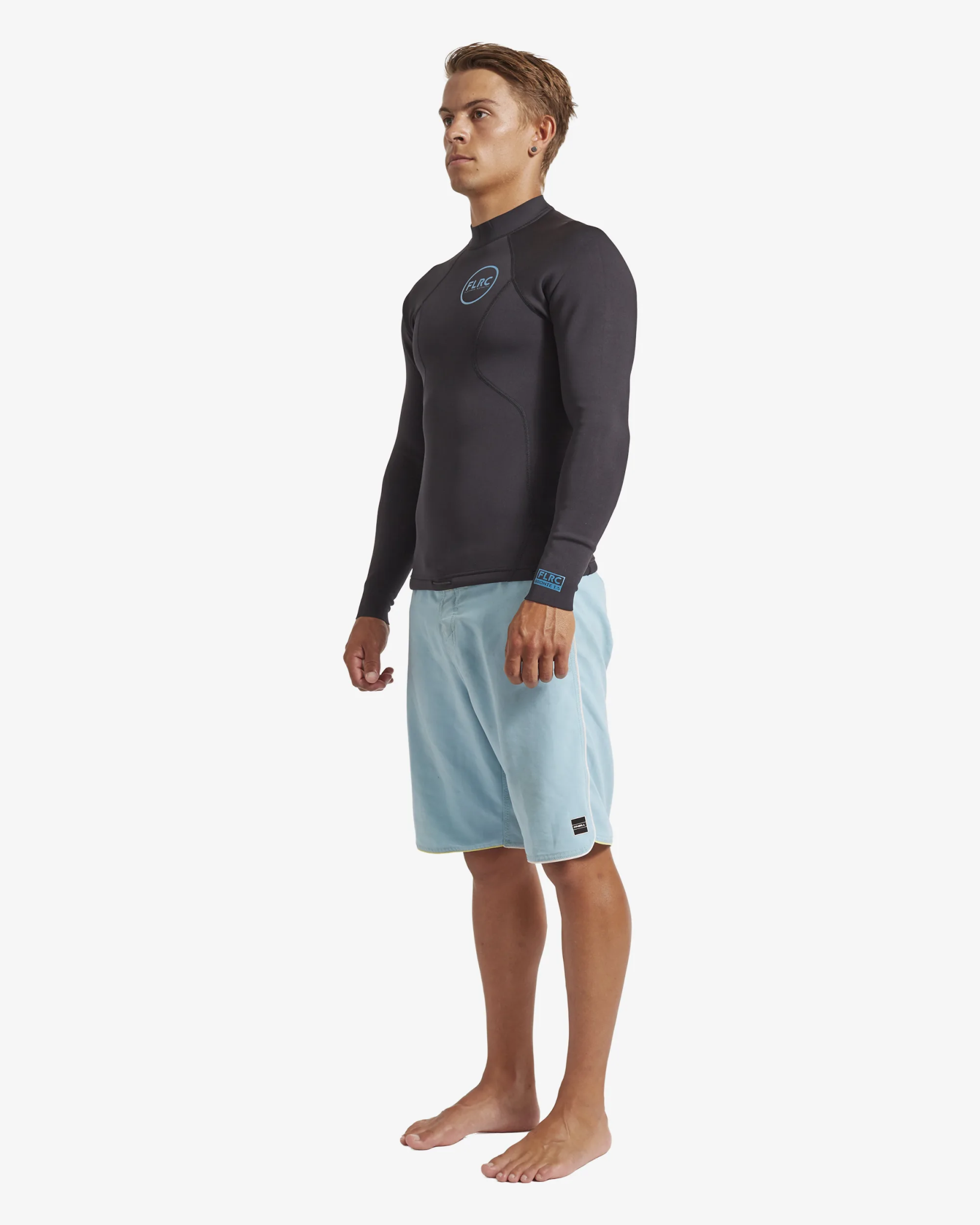
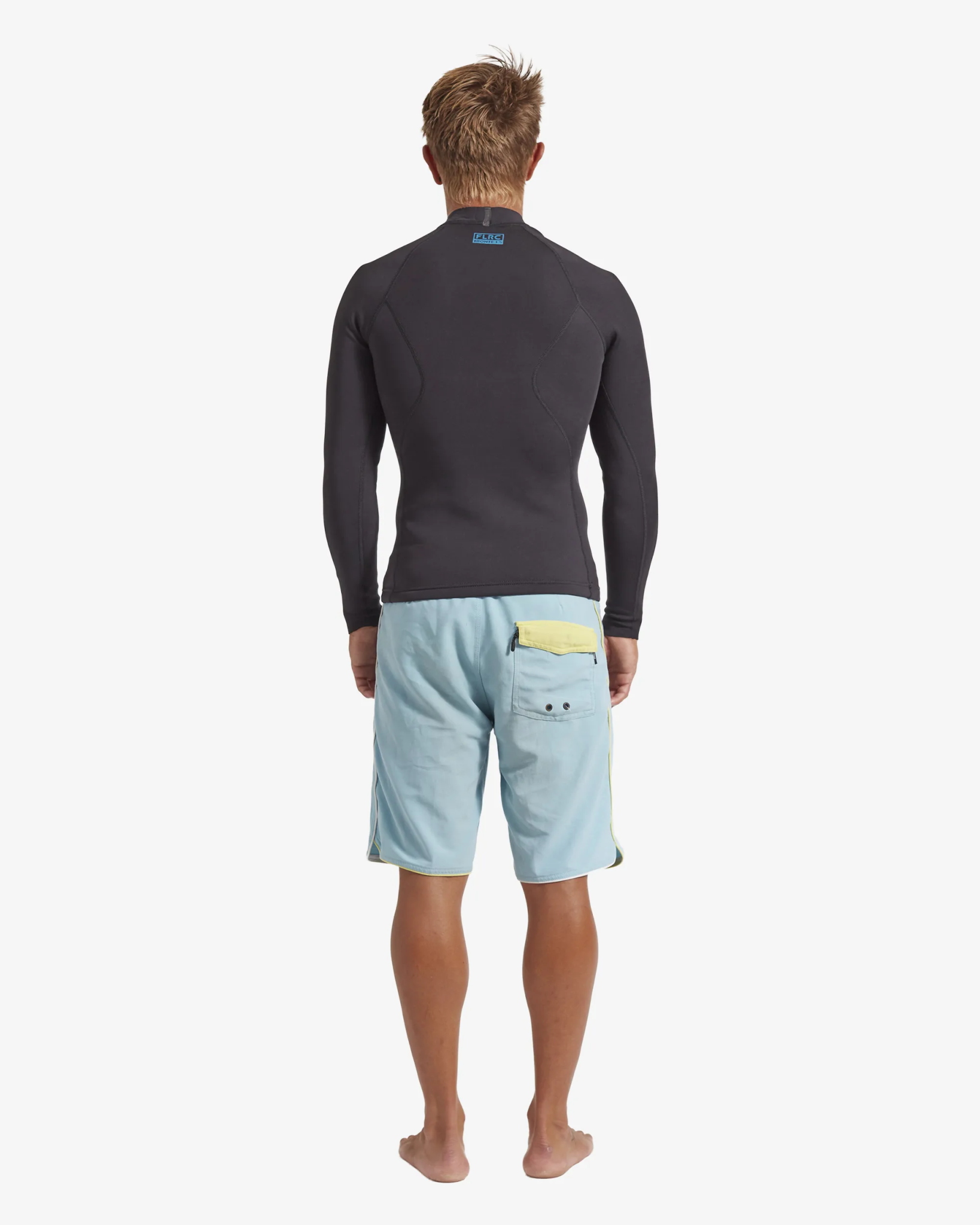
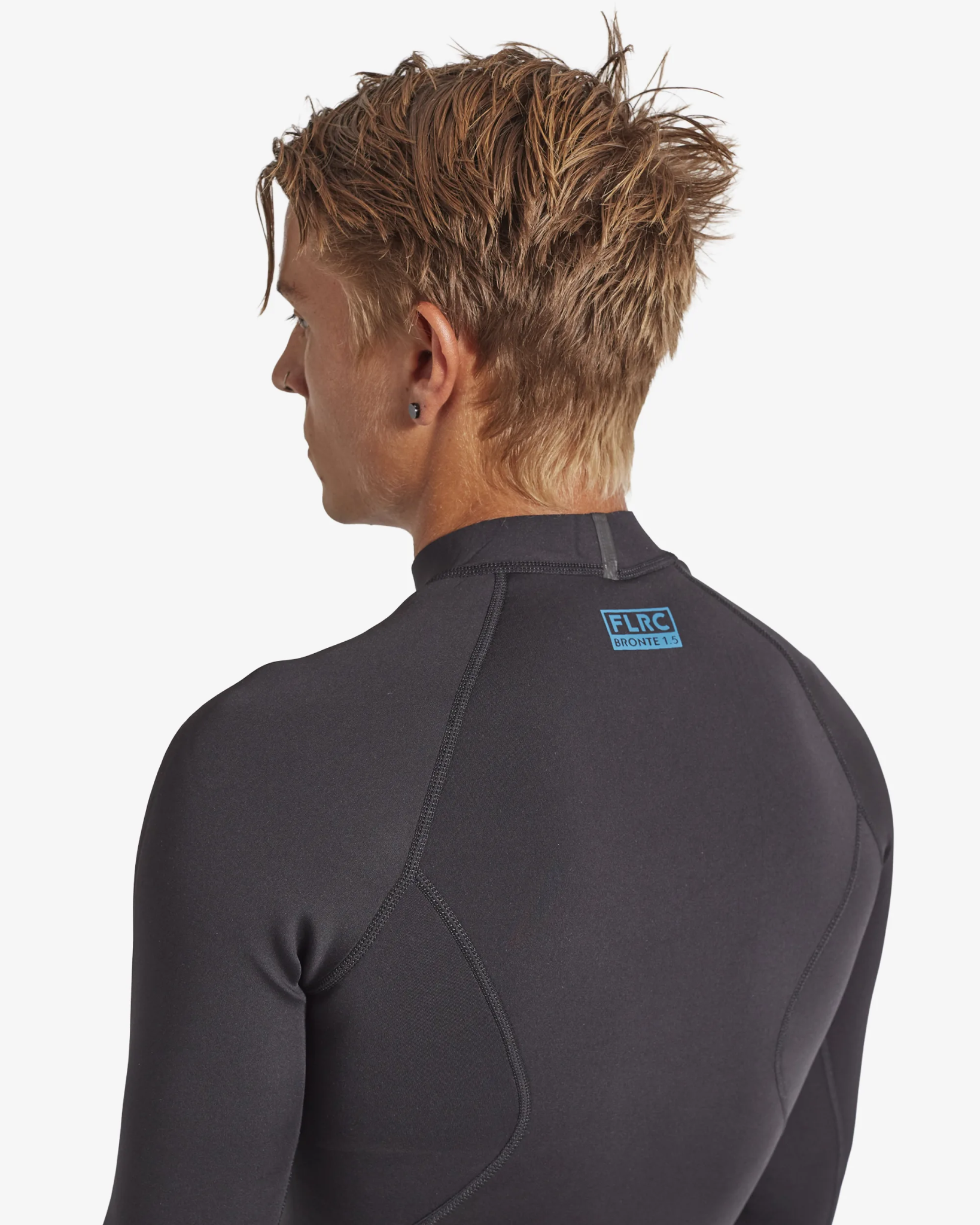
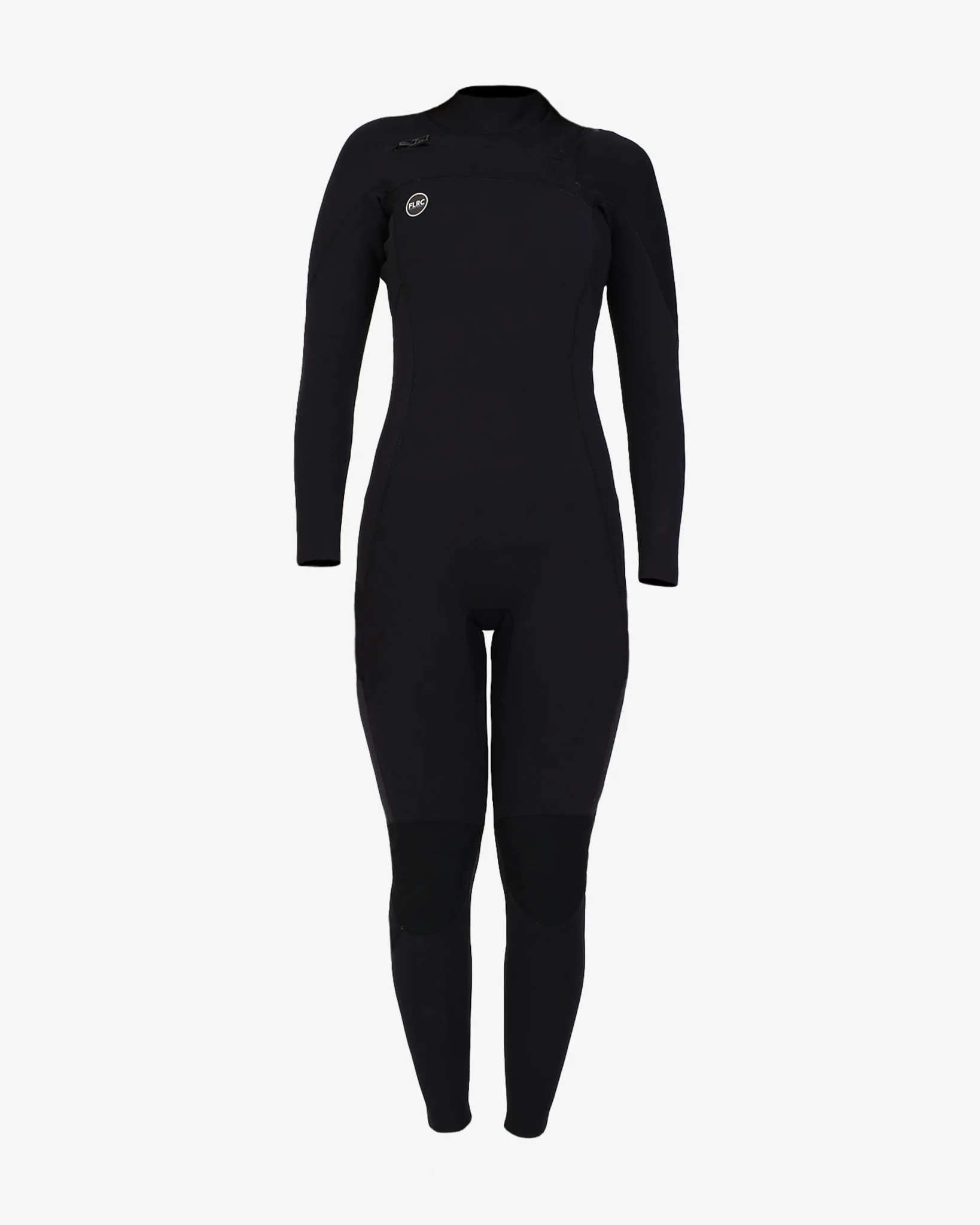
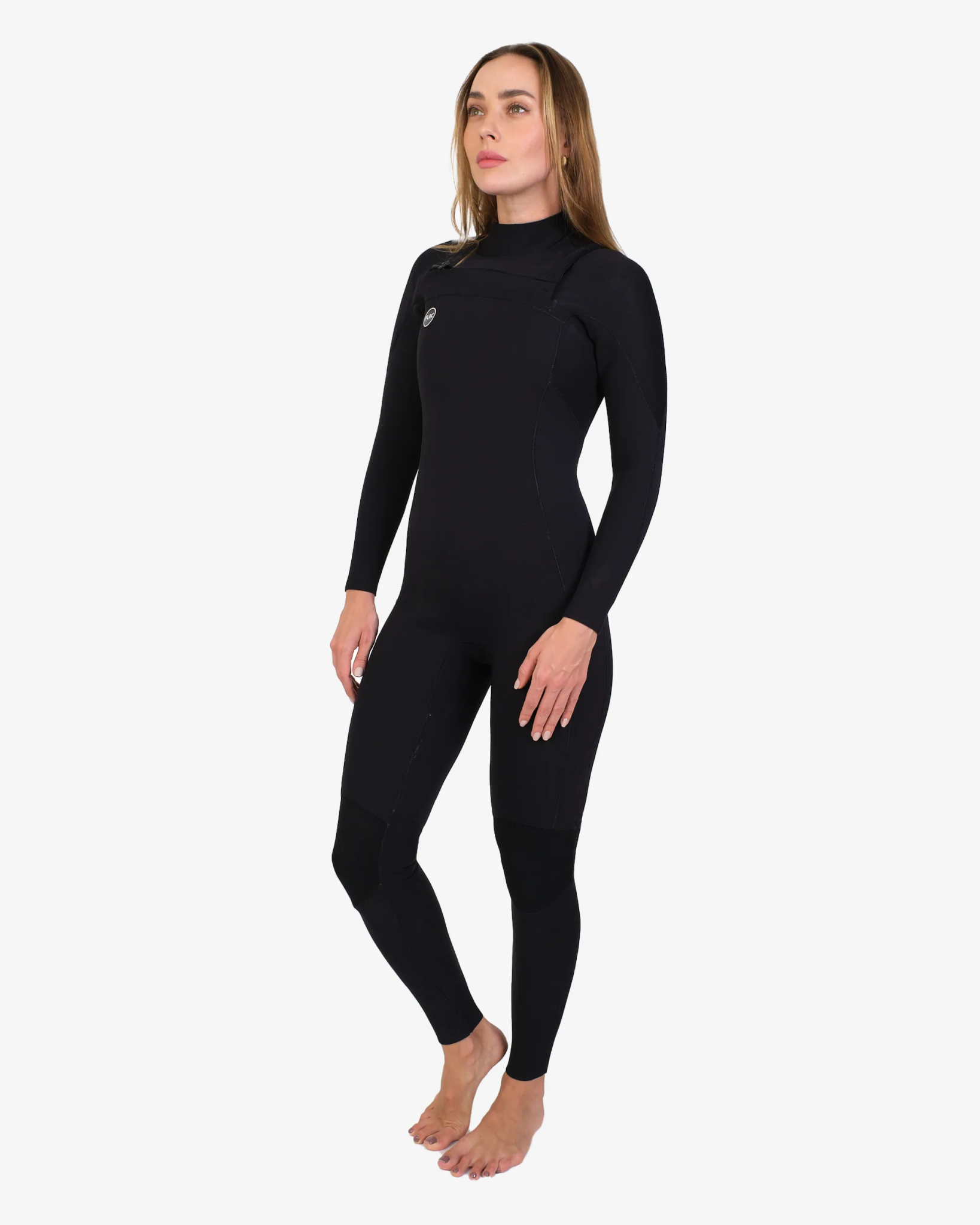
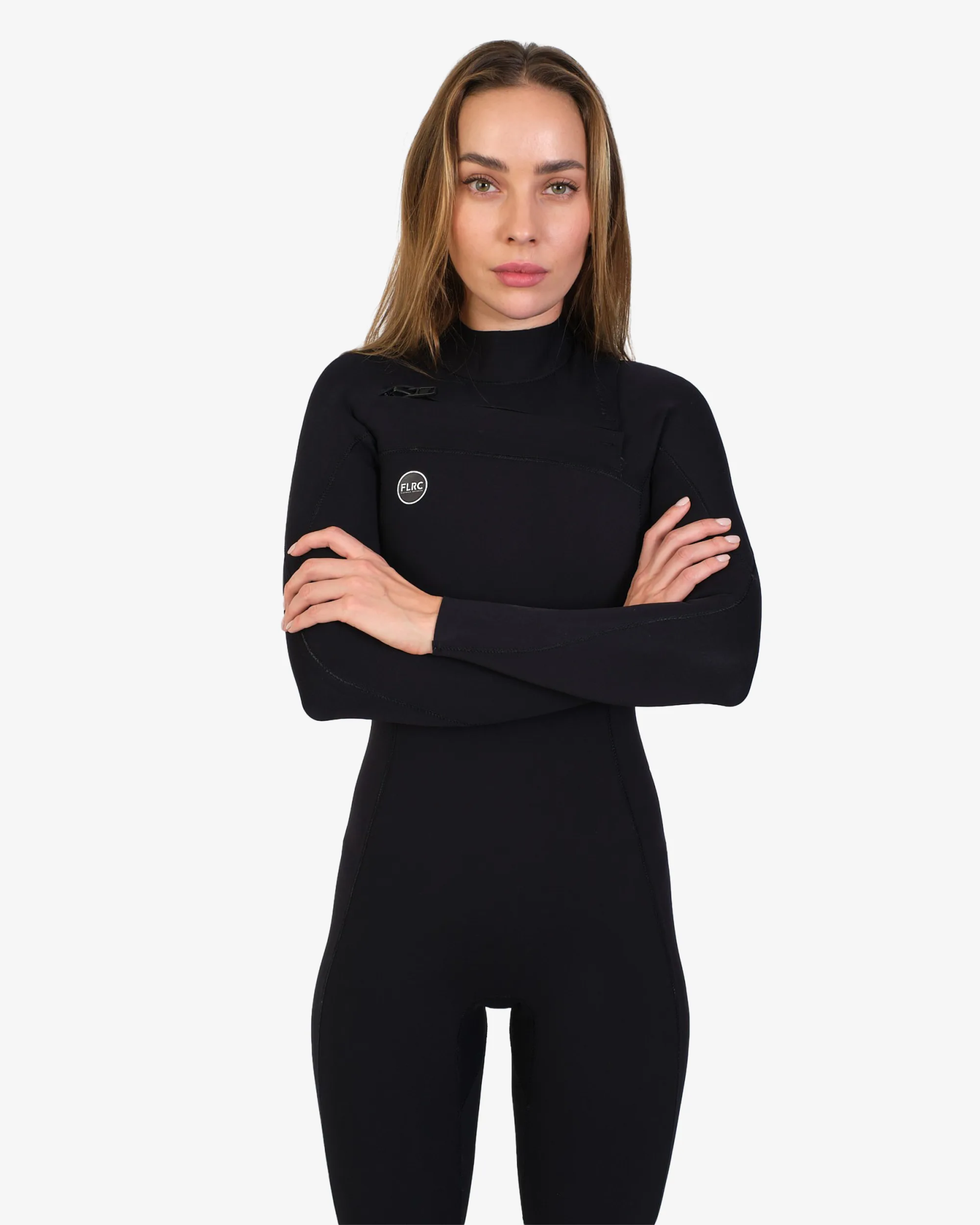
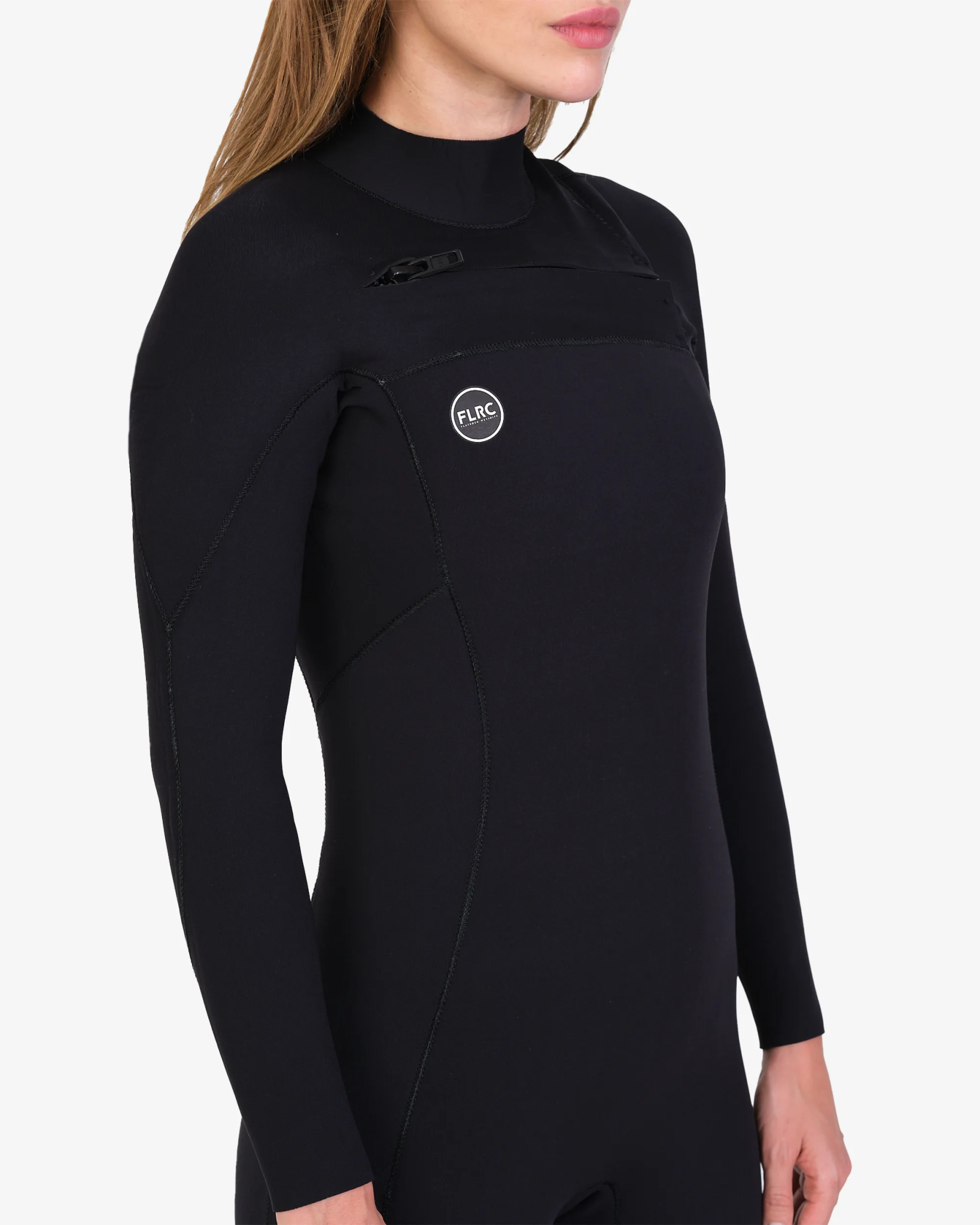
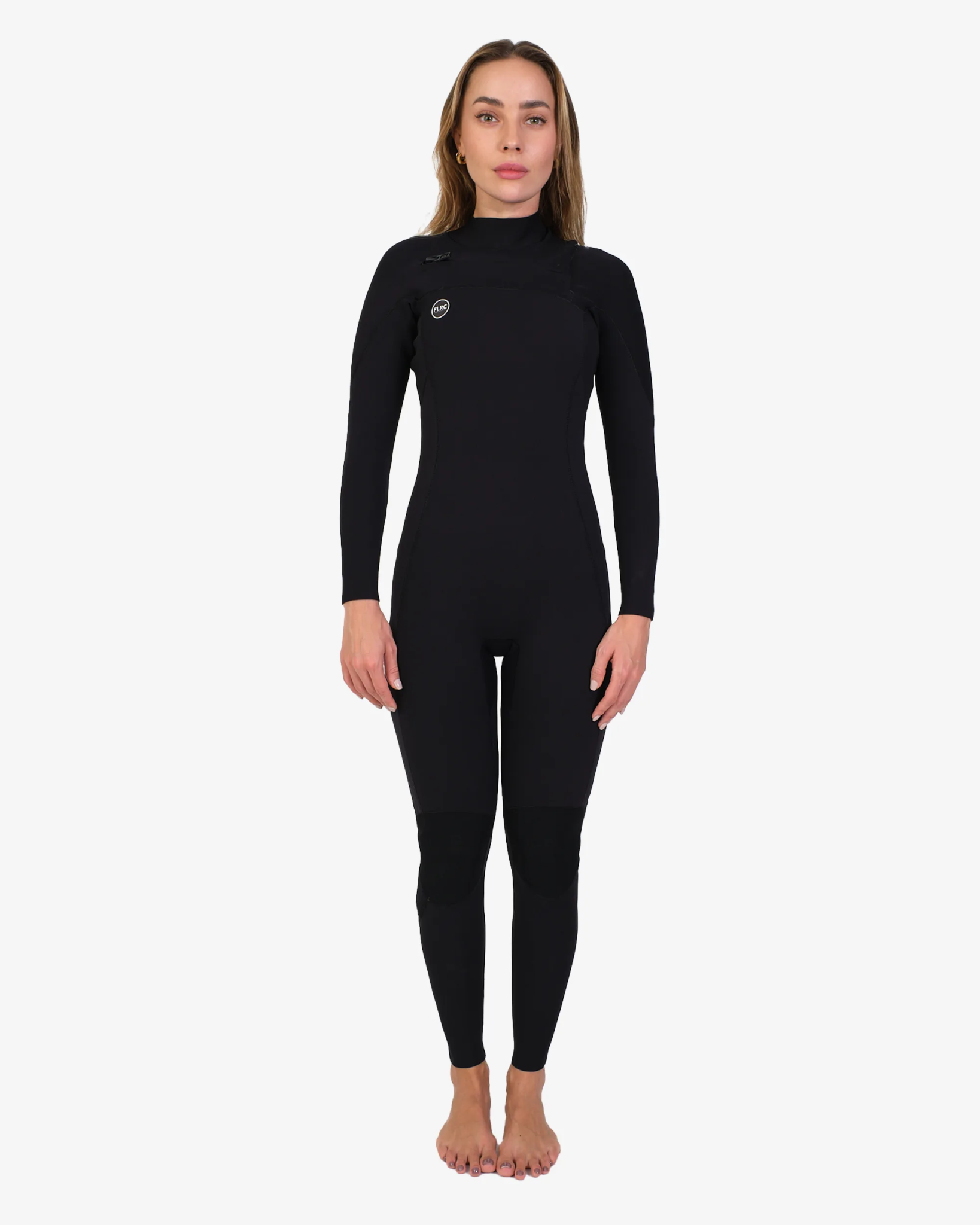
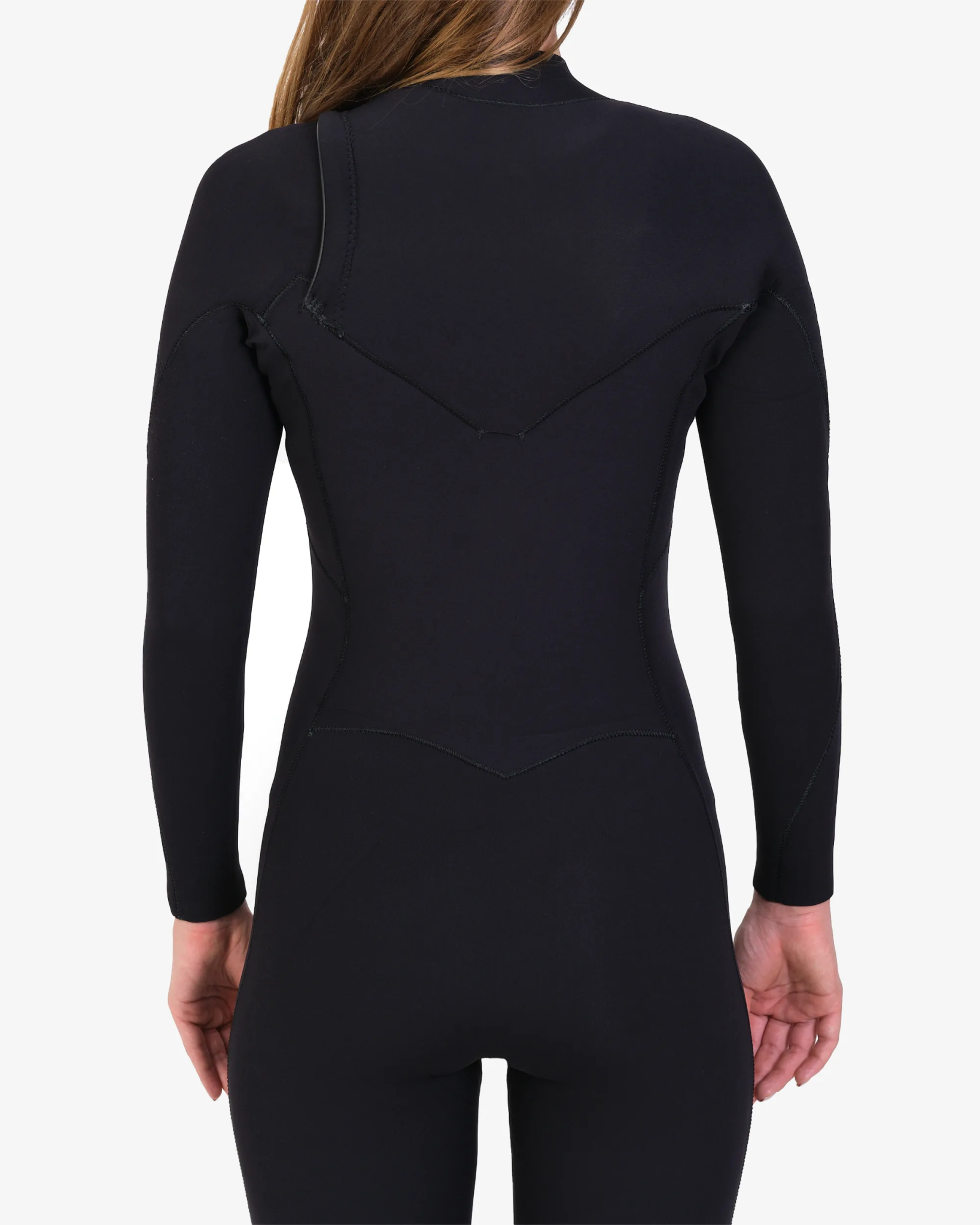
Sydney's water generally sits between 18-24°C depending on the season, so what you're wearing affects how comfortable, and how alert, you are out there. In winter 2026, that's firmly wetty territory, and a cold, distracted surfer makes worse decisions in the lineup. Check our guide to wetsuit thickness for Australian conditions before you paddle out, or browse our featured wetsuit range to find the right thickness for your local break.
Frequently asked questions
Who has right of way in a surf lineup?
The surfer closest to the peak of the wave, or already up and riding, has right of way. Flatrock Surf's approach for beginners is simple: if you're in doubt, don't paddle for it.
What should I do if I drop in on someone by accident?
Pull off the wave as soon as you notice, then paddle over and apologise directly. Owning the mistake matters more than avoiding it in the first place.
What is snaking in surfing?
Snaking is paddling around another surfer to jump the queue and steal priority on a wave. It breaks the lineup's unspoken rotation and is one of the quickest ways to earn a bad reputation at your local break.
Where are the best beginner-friendly lineups in Sydney?
Manly and Cronulla are known for being more forgiving of learners, with enough beginner traffic that the lineup is used to newer surfers still finding their feet.
Do lineup rules change depending on the surf spot?
The core rules, right of way, no snaking, no dropping in, stay the same everywhere. What changes is how strictly, and how patiently, they're enforced from spot to spot.