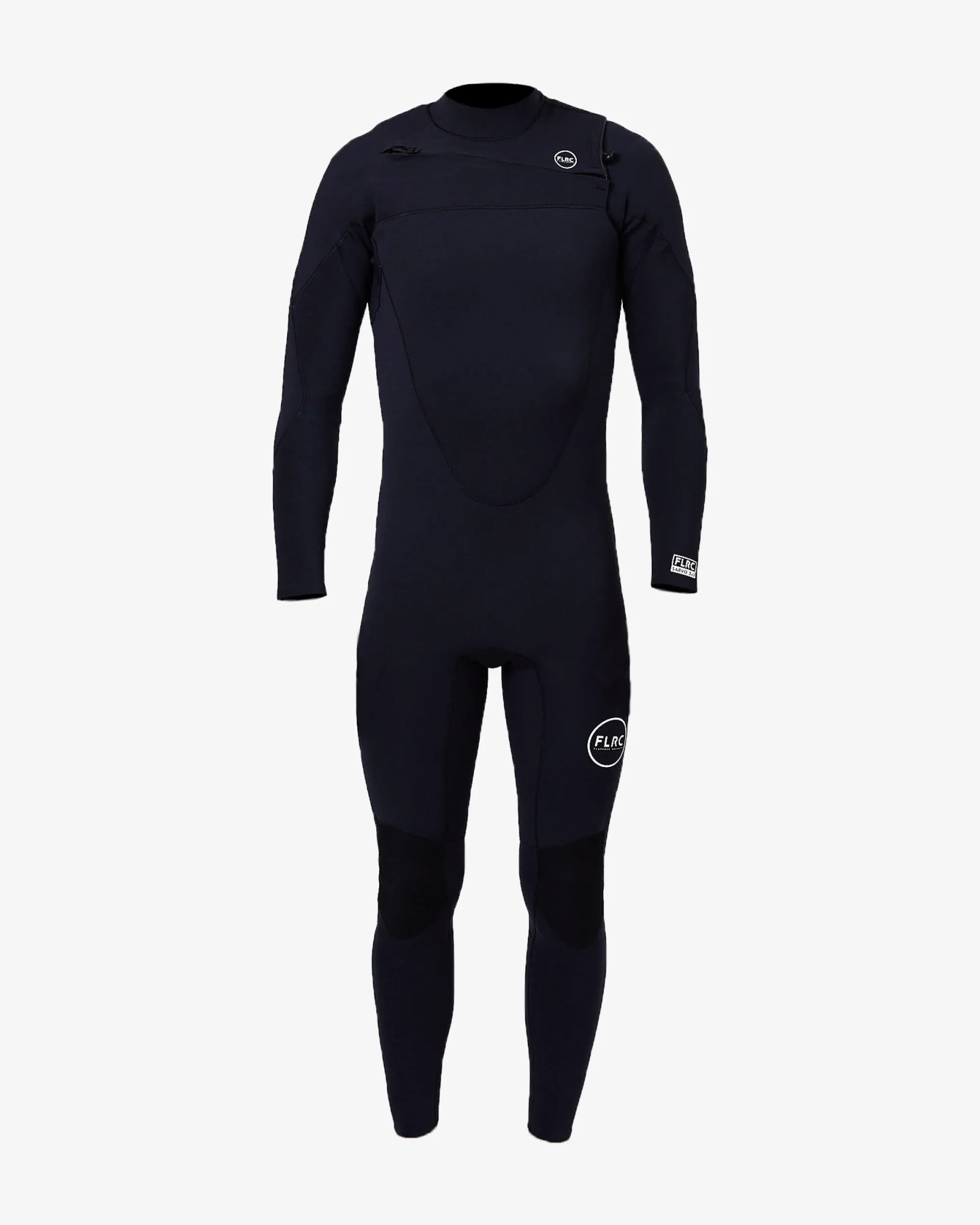
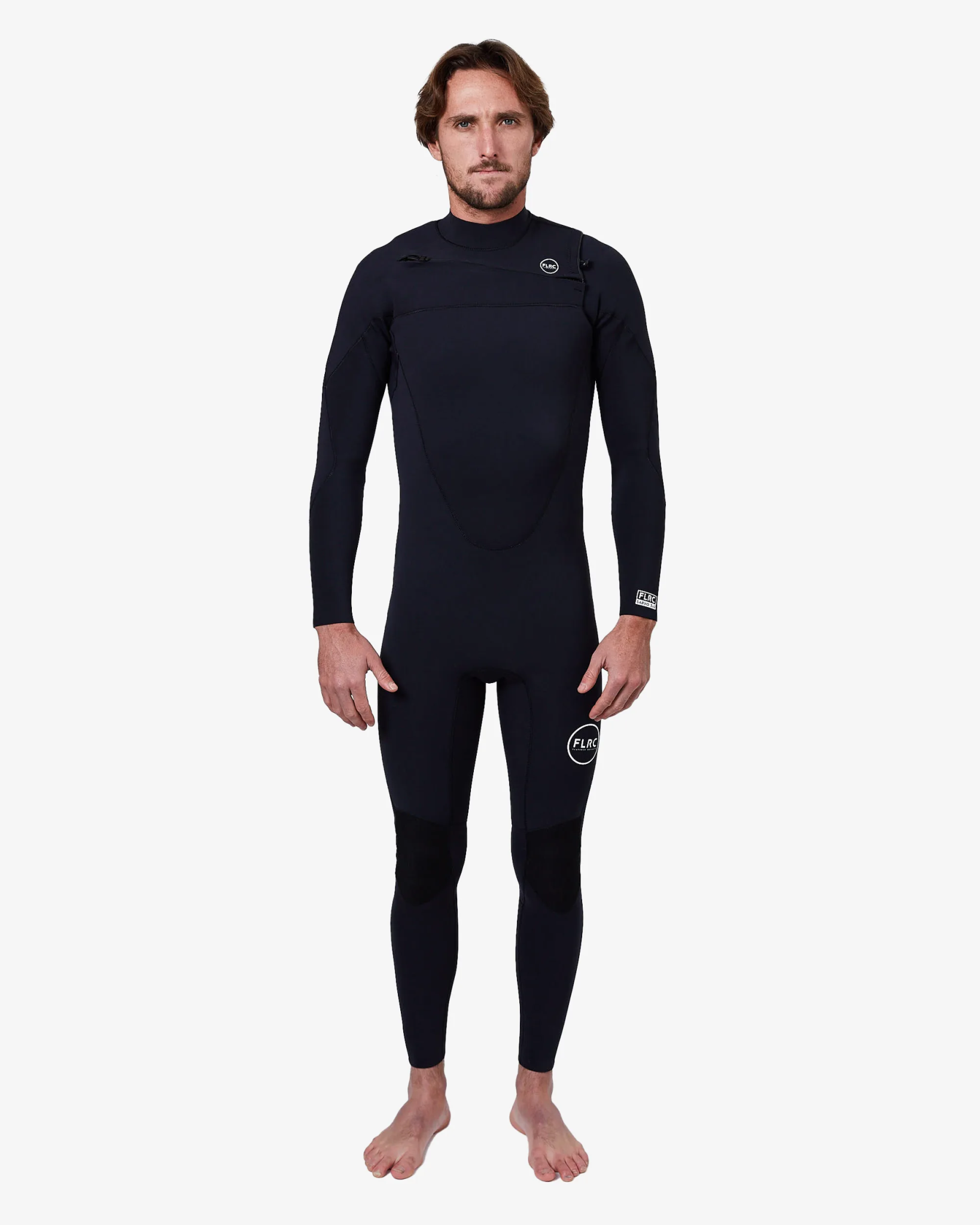
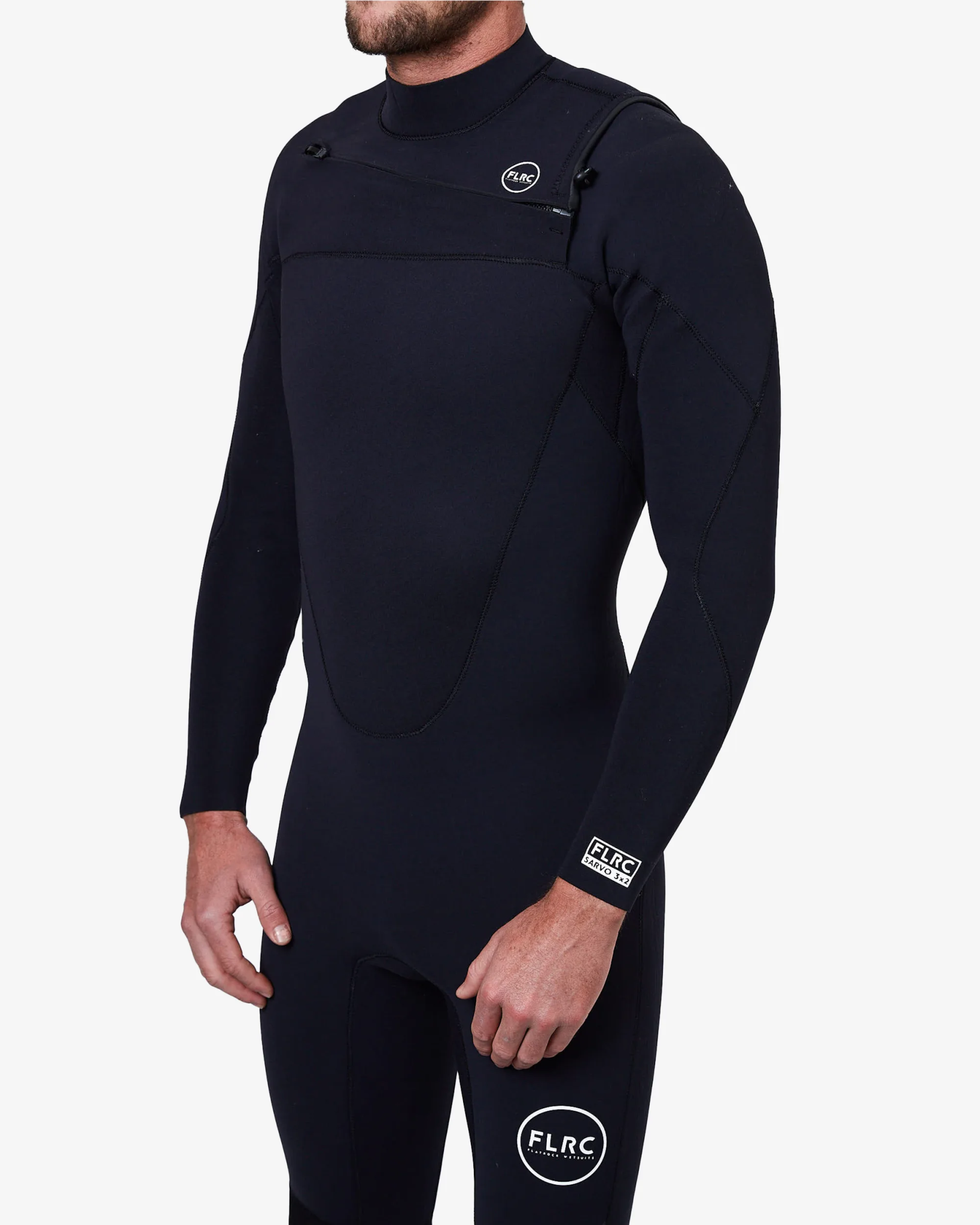
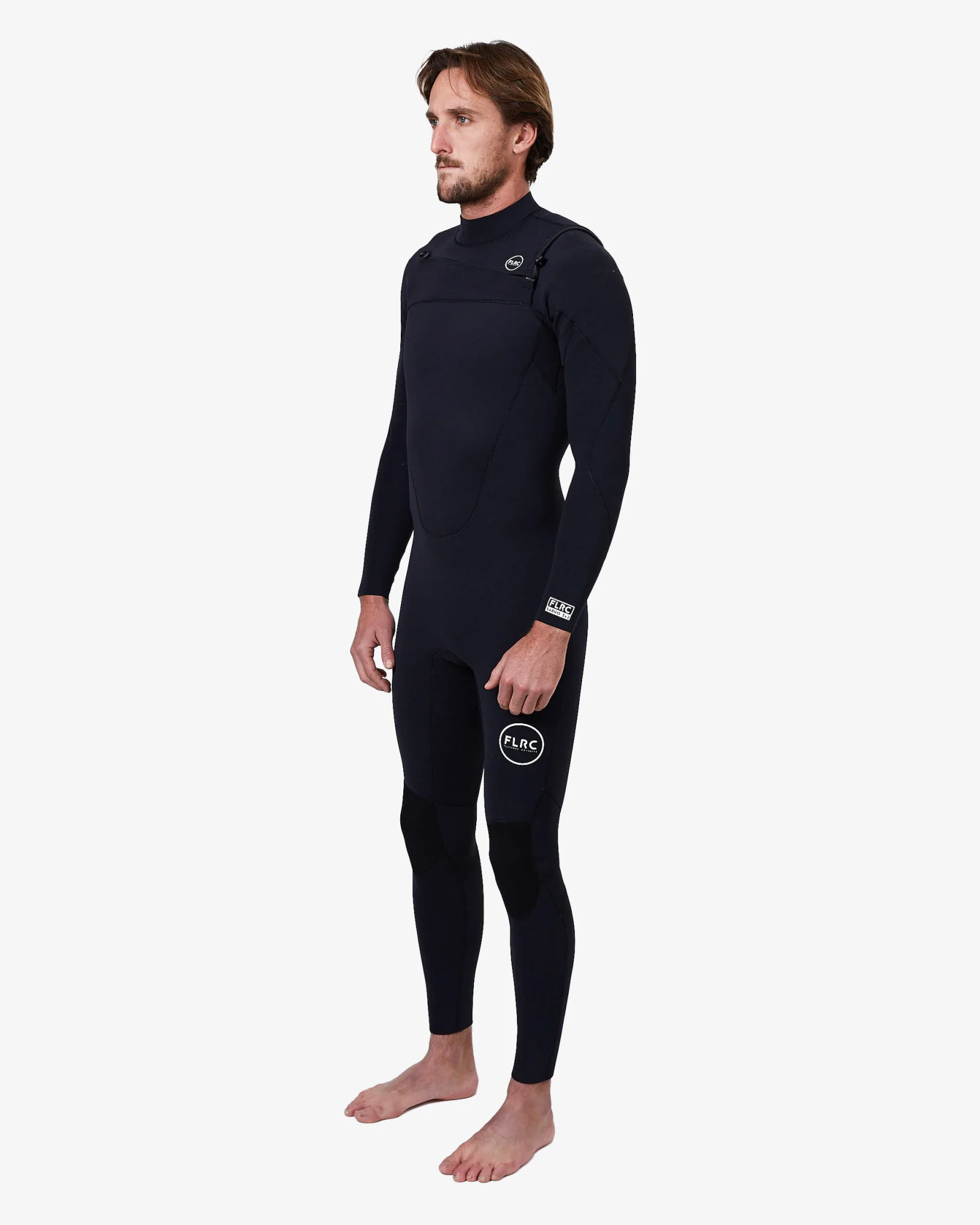
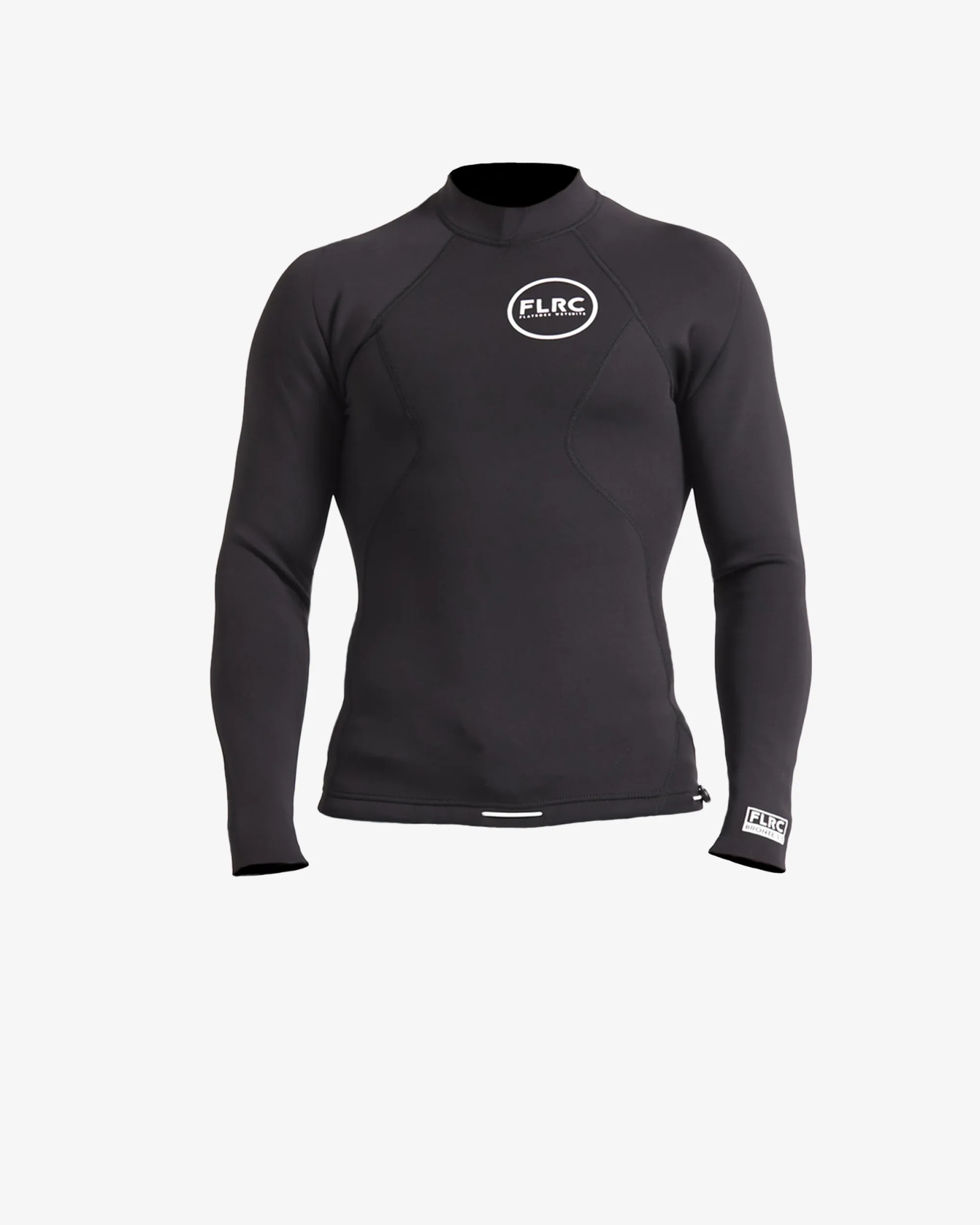
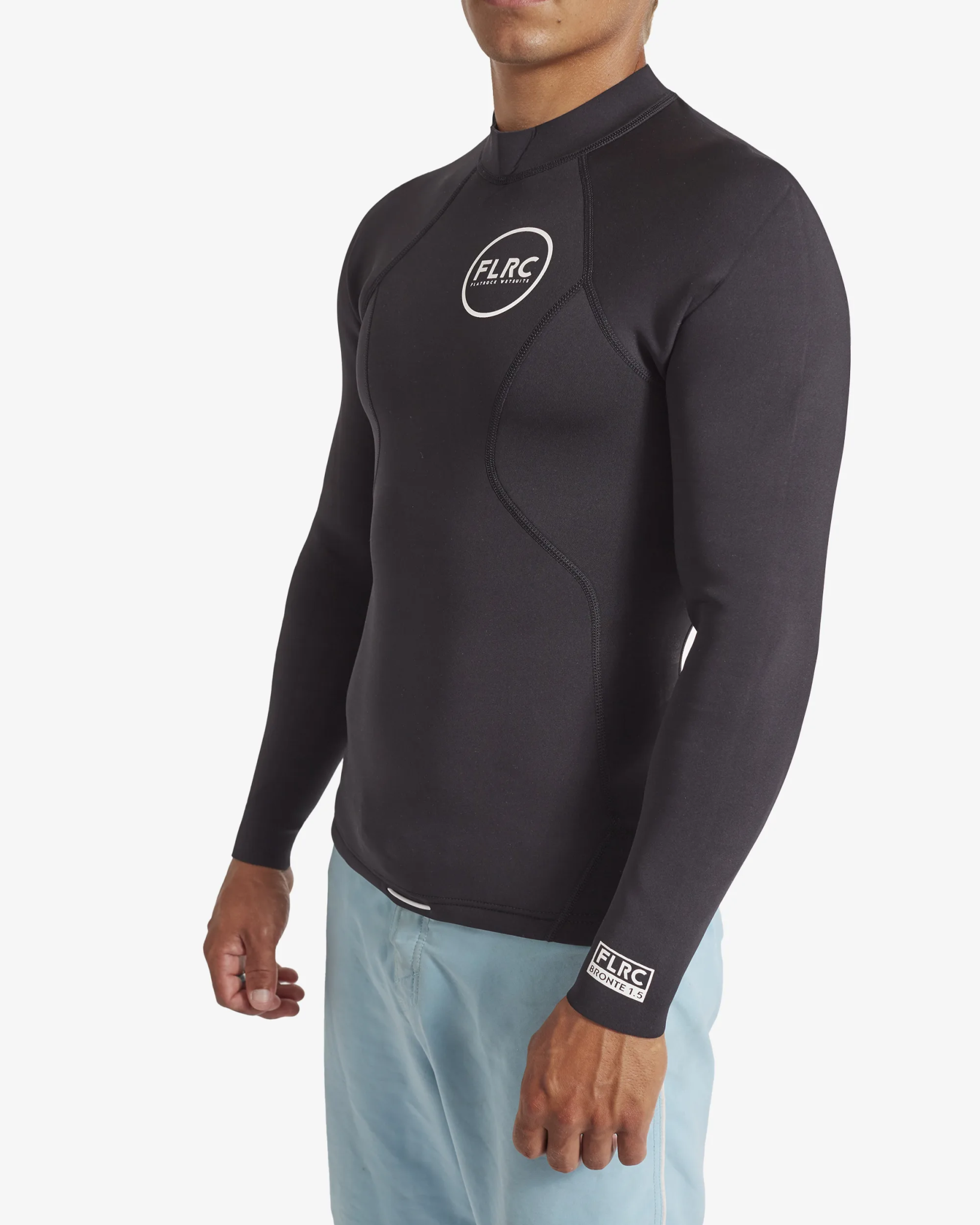
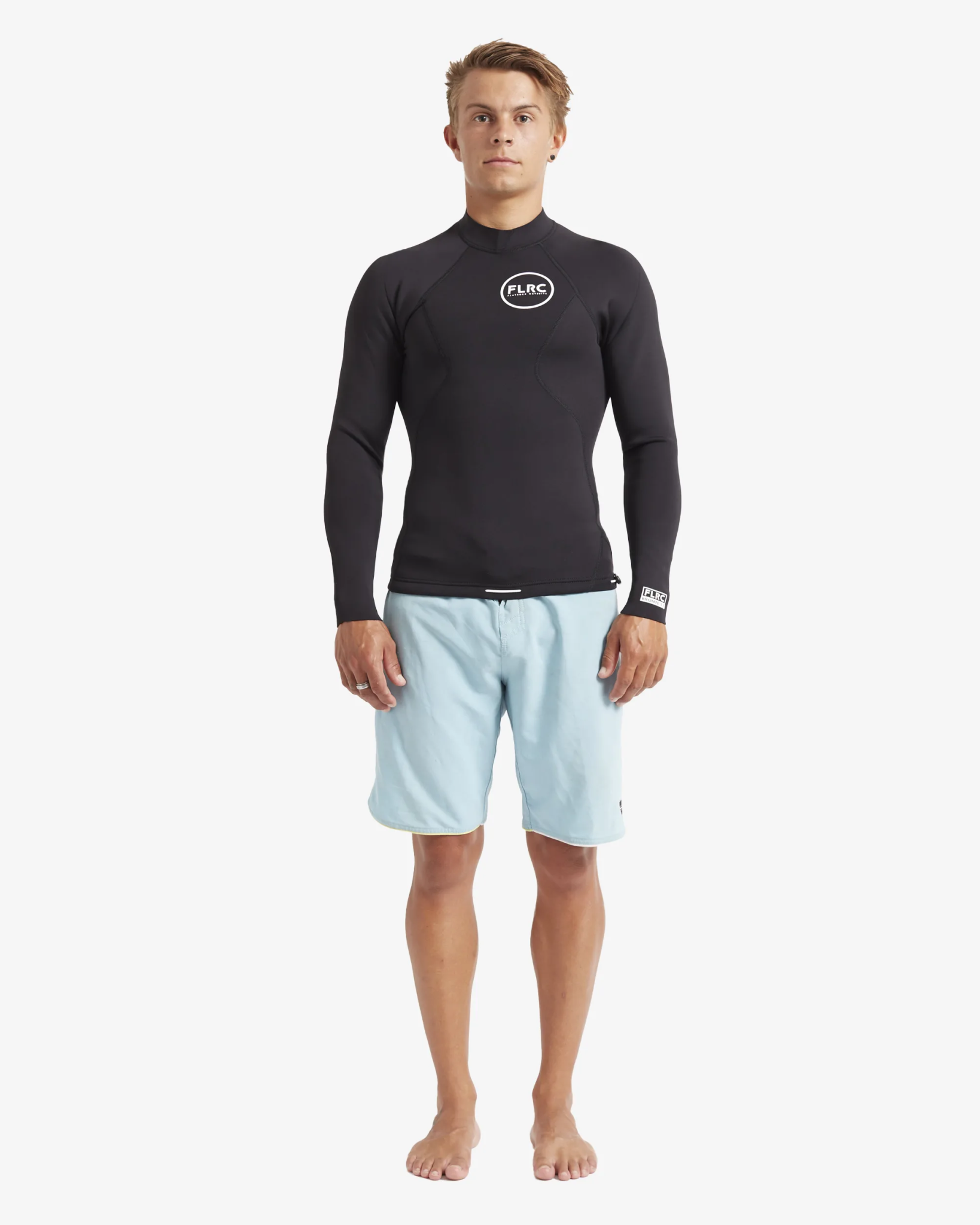
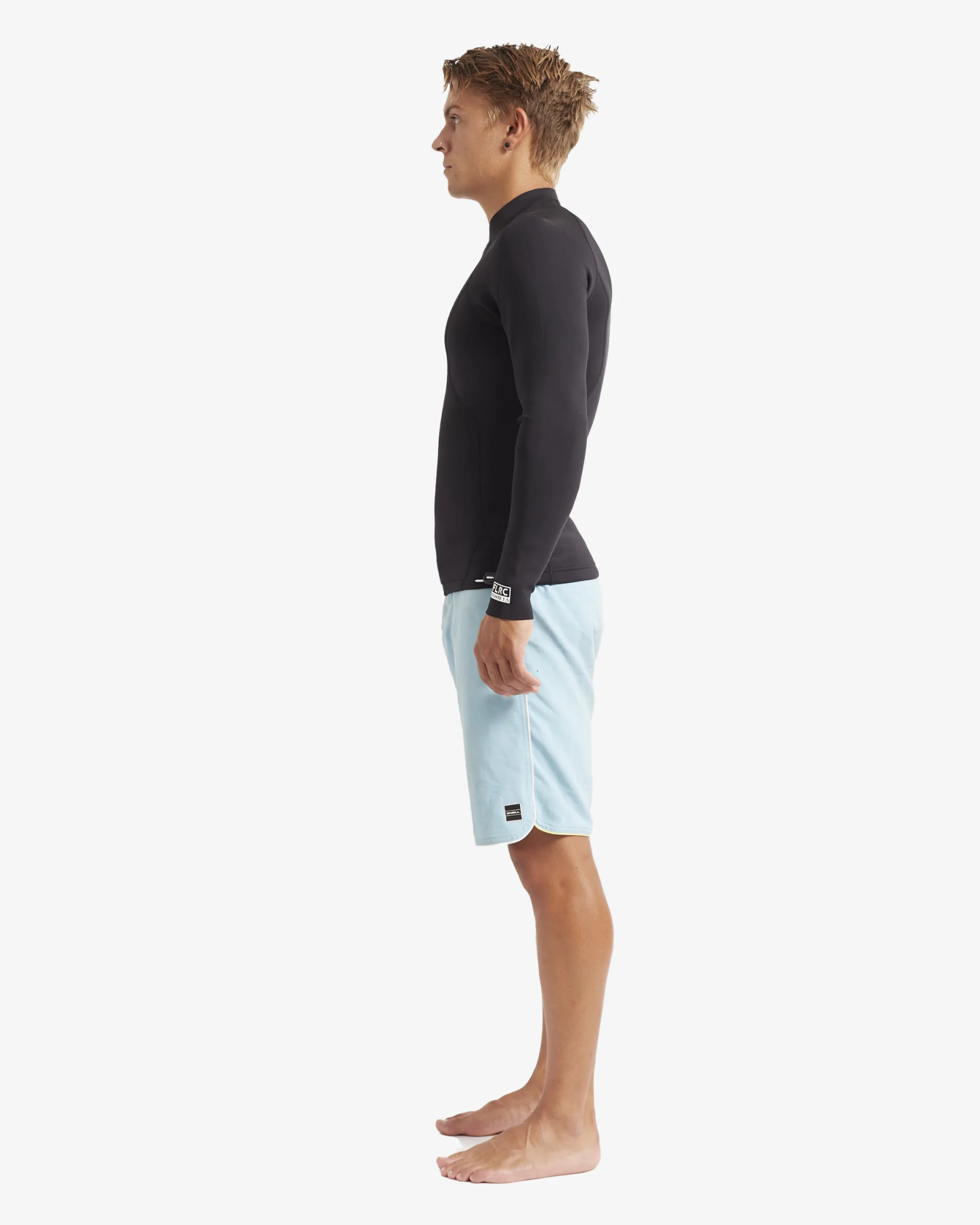
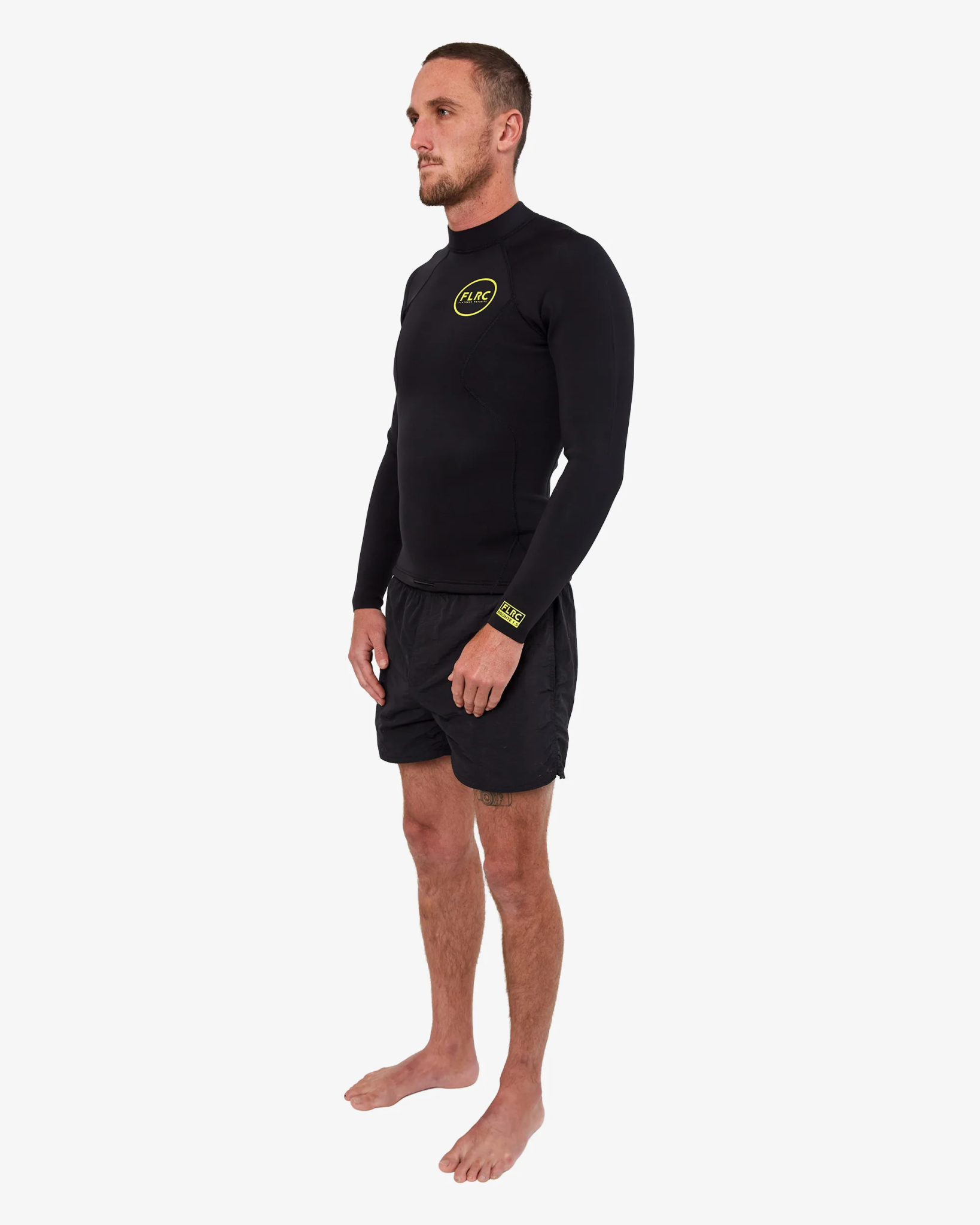
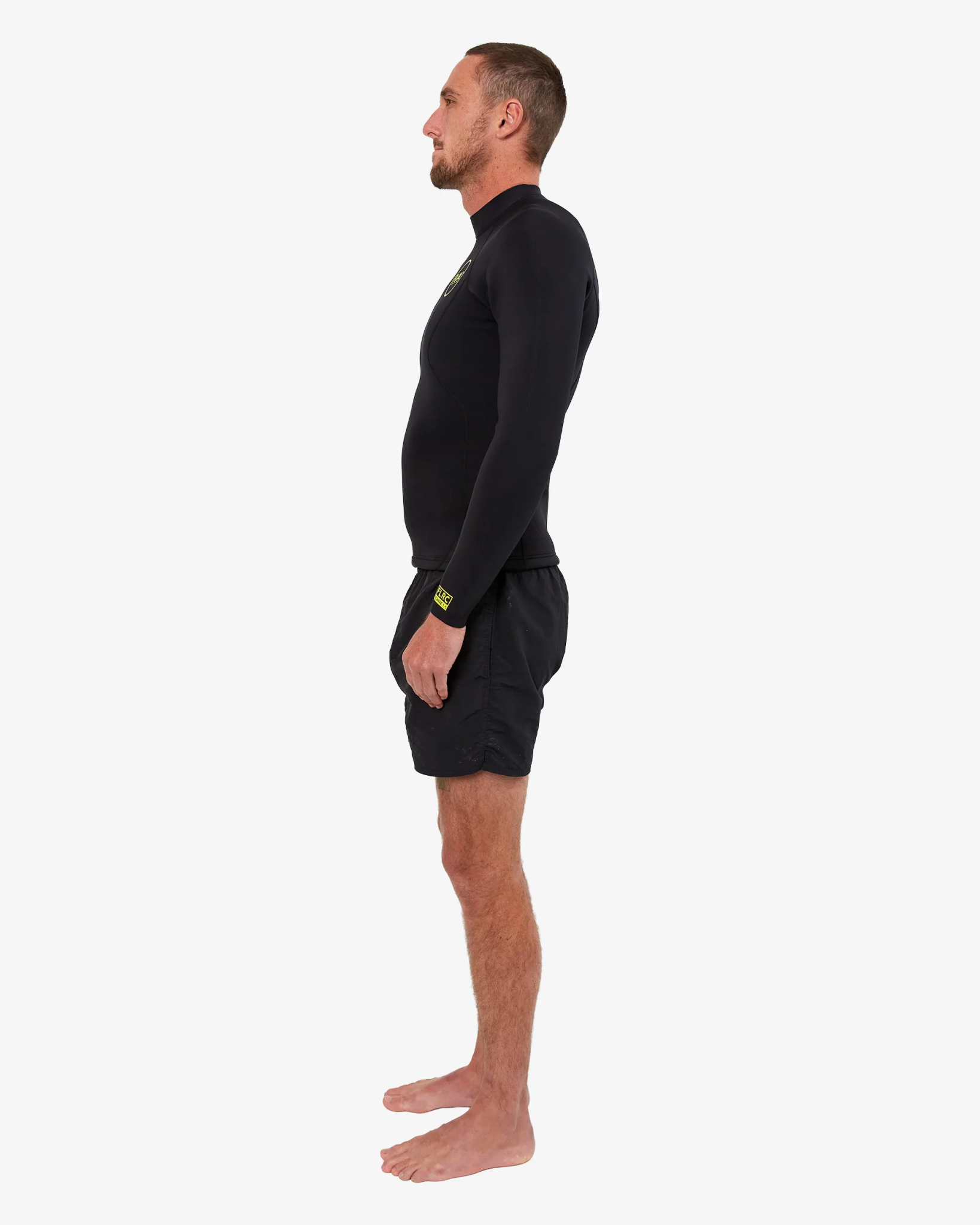
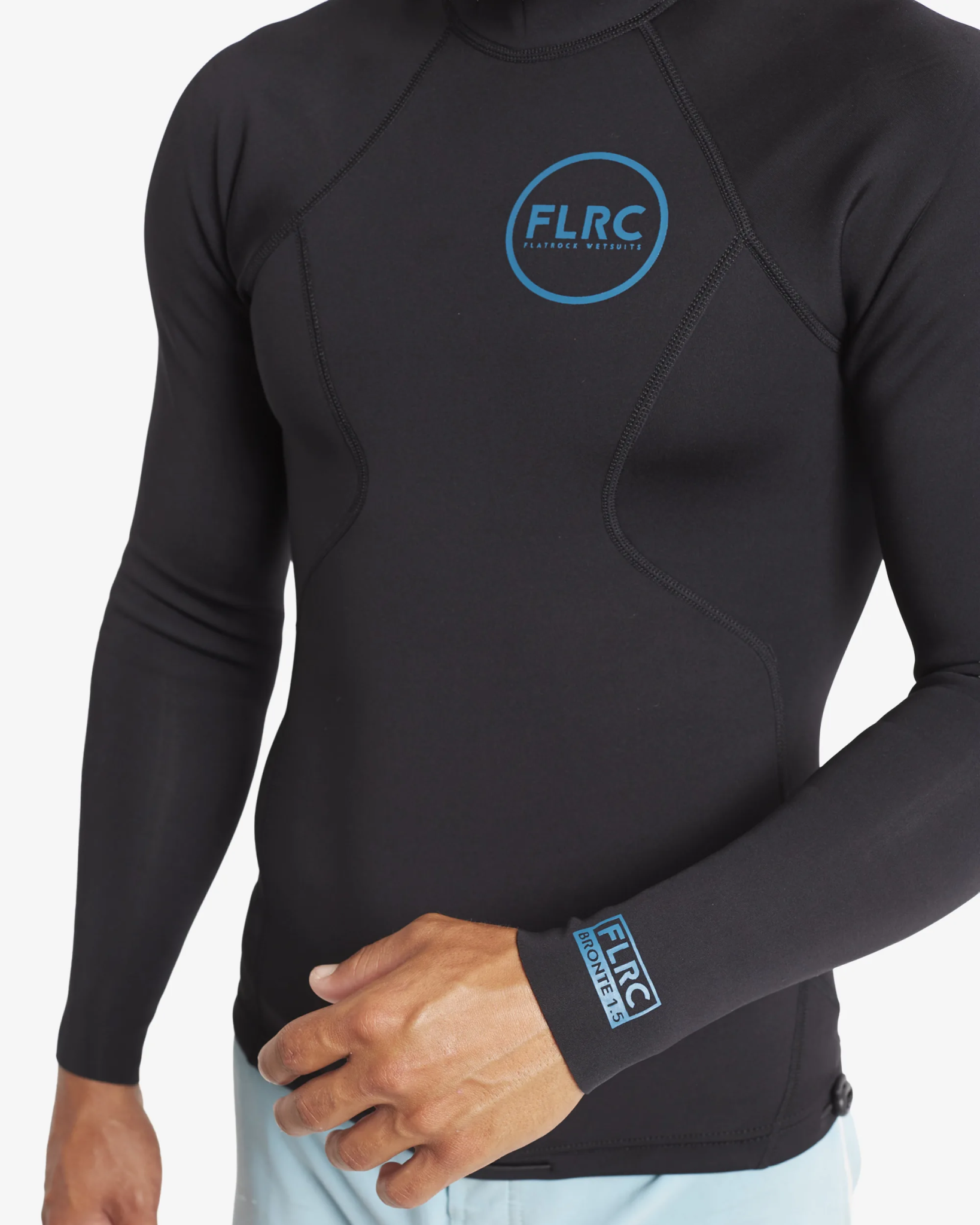
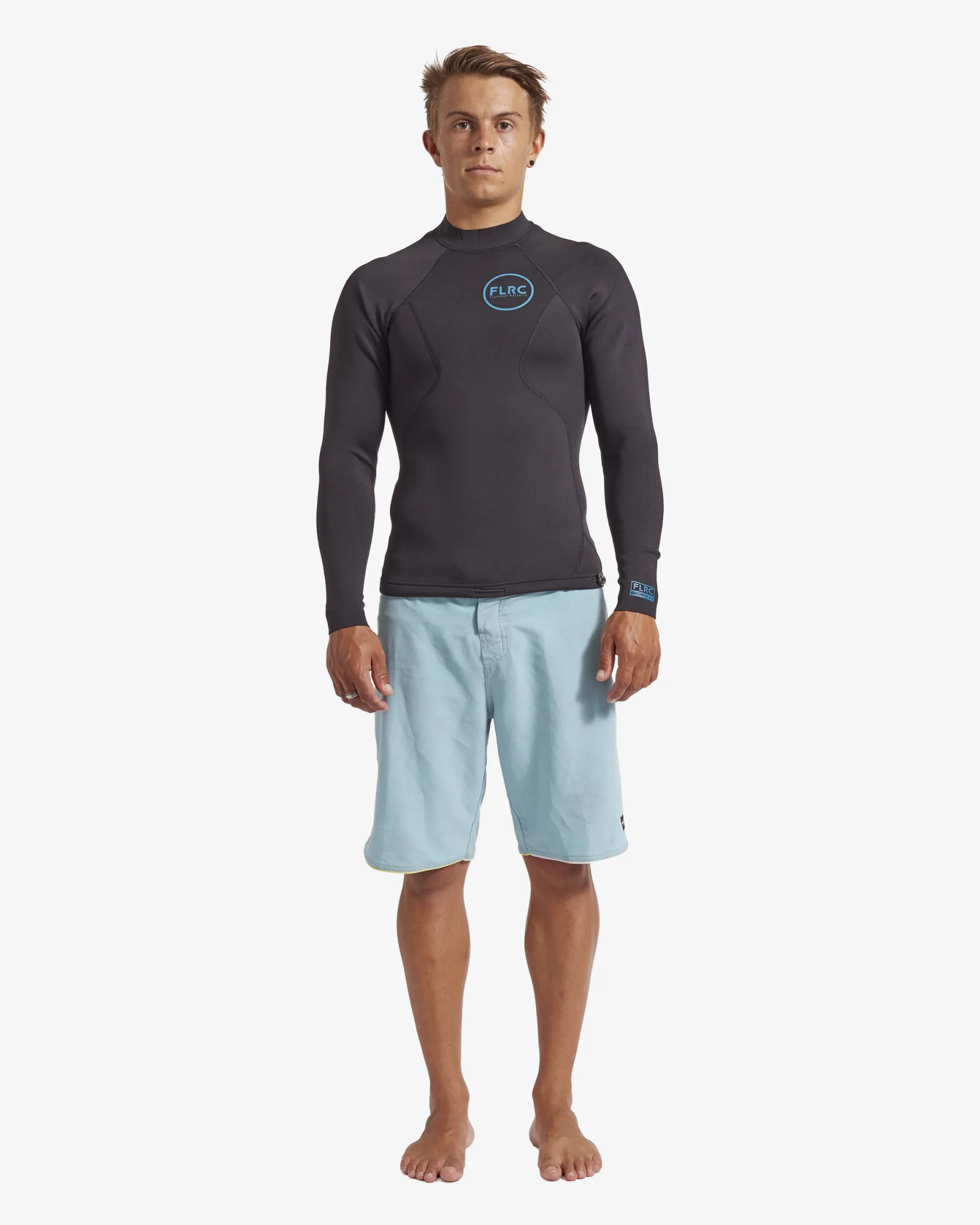
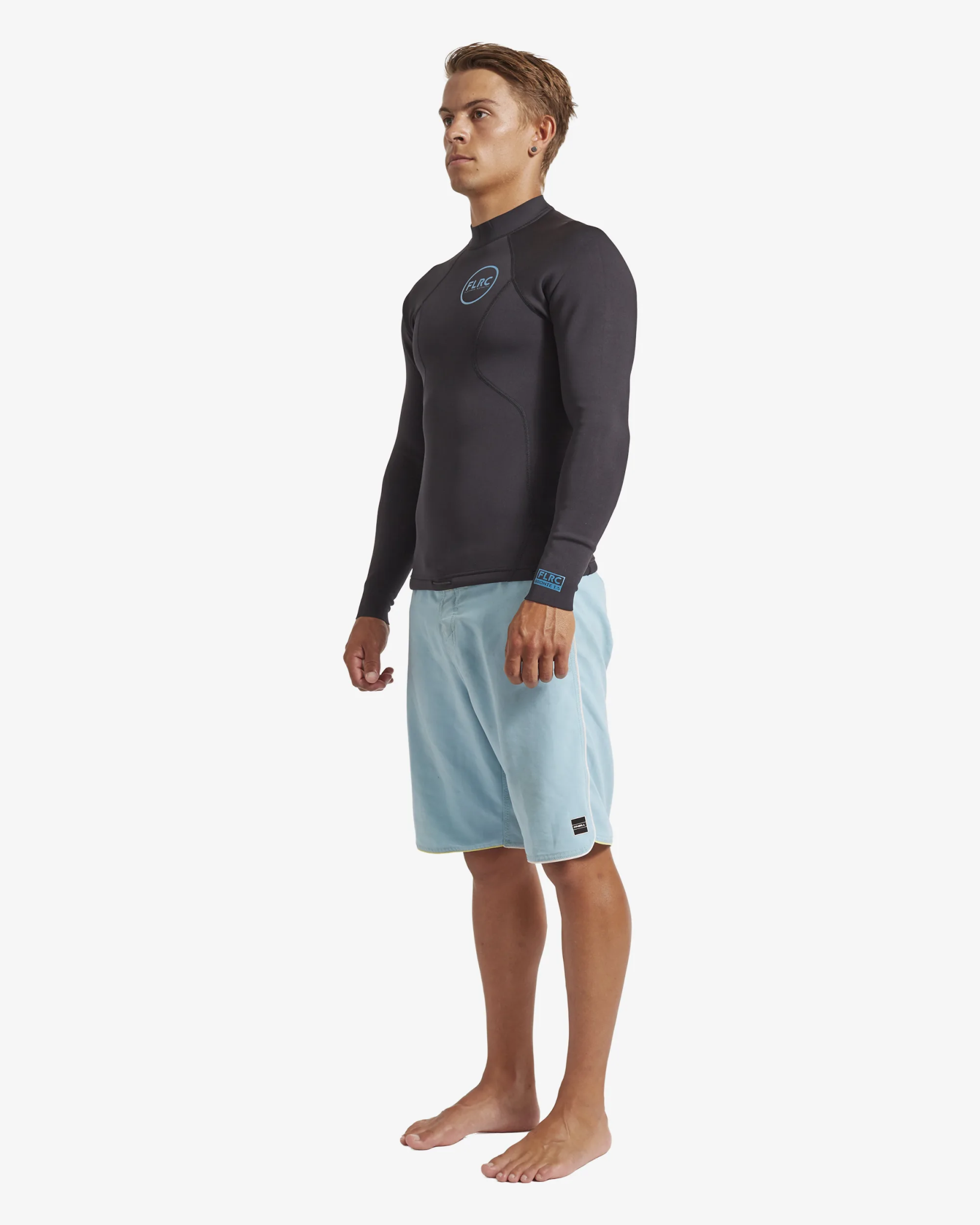
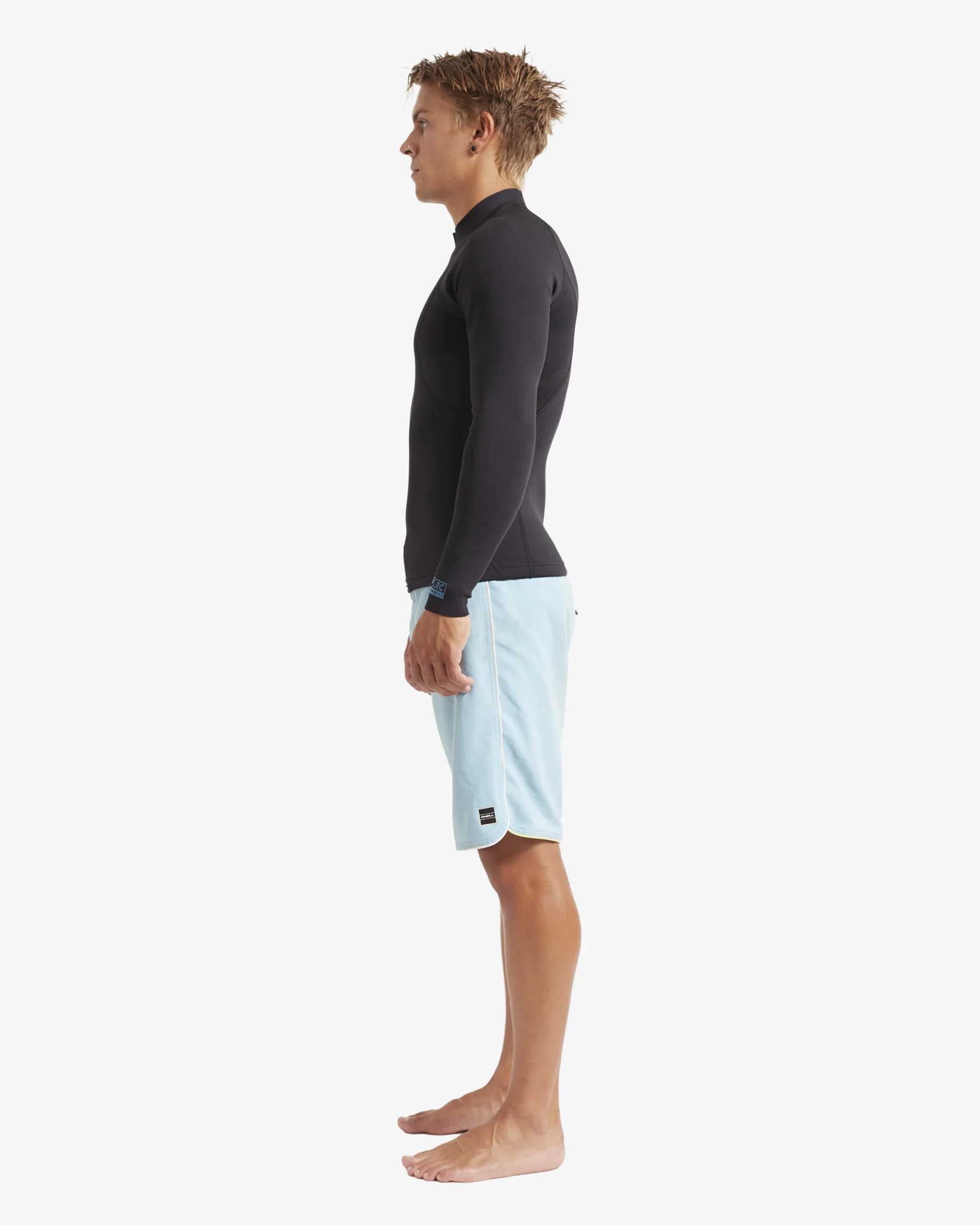
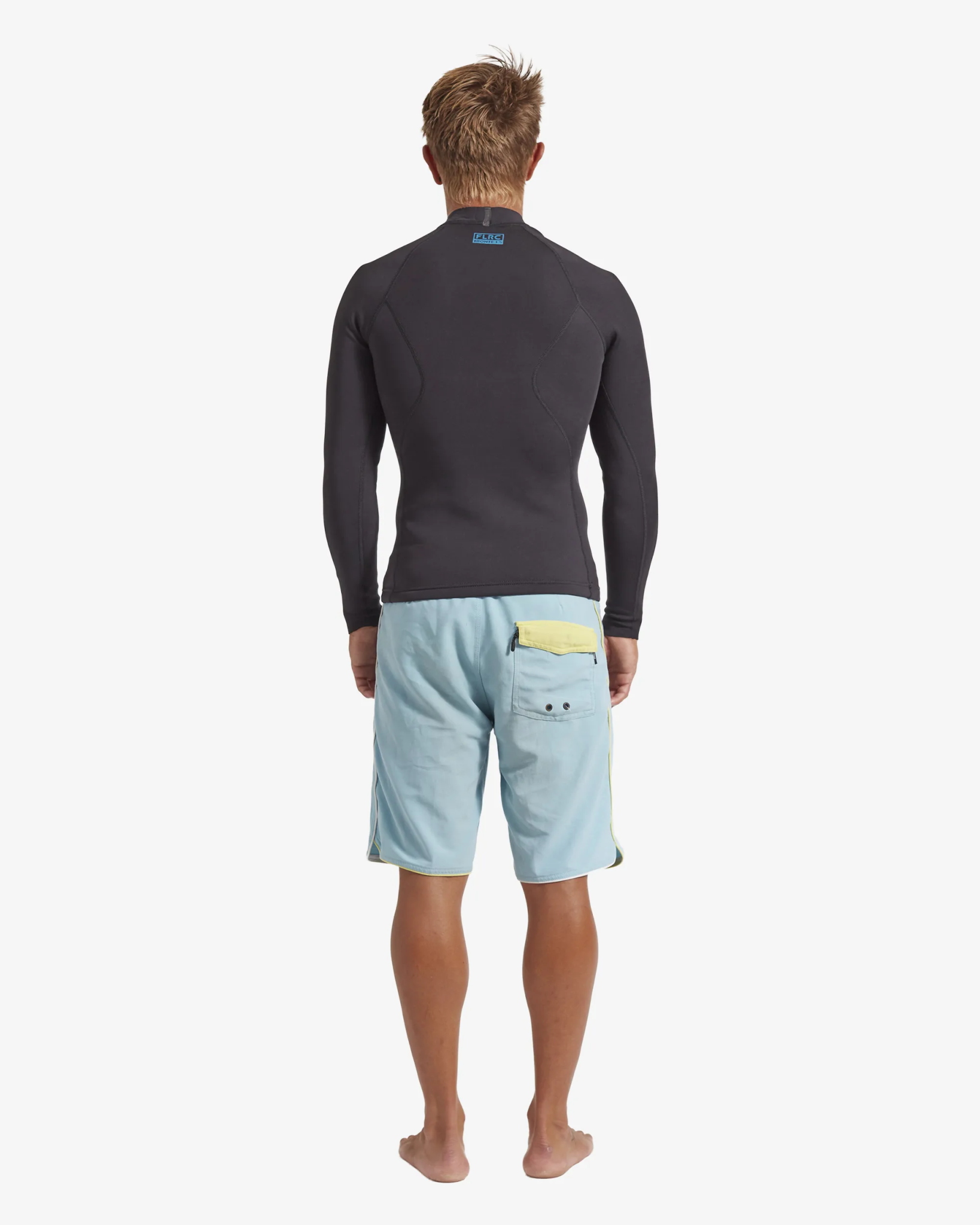
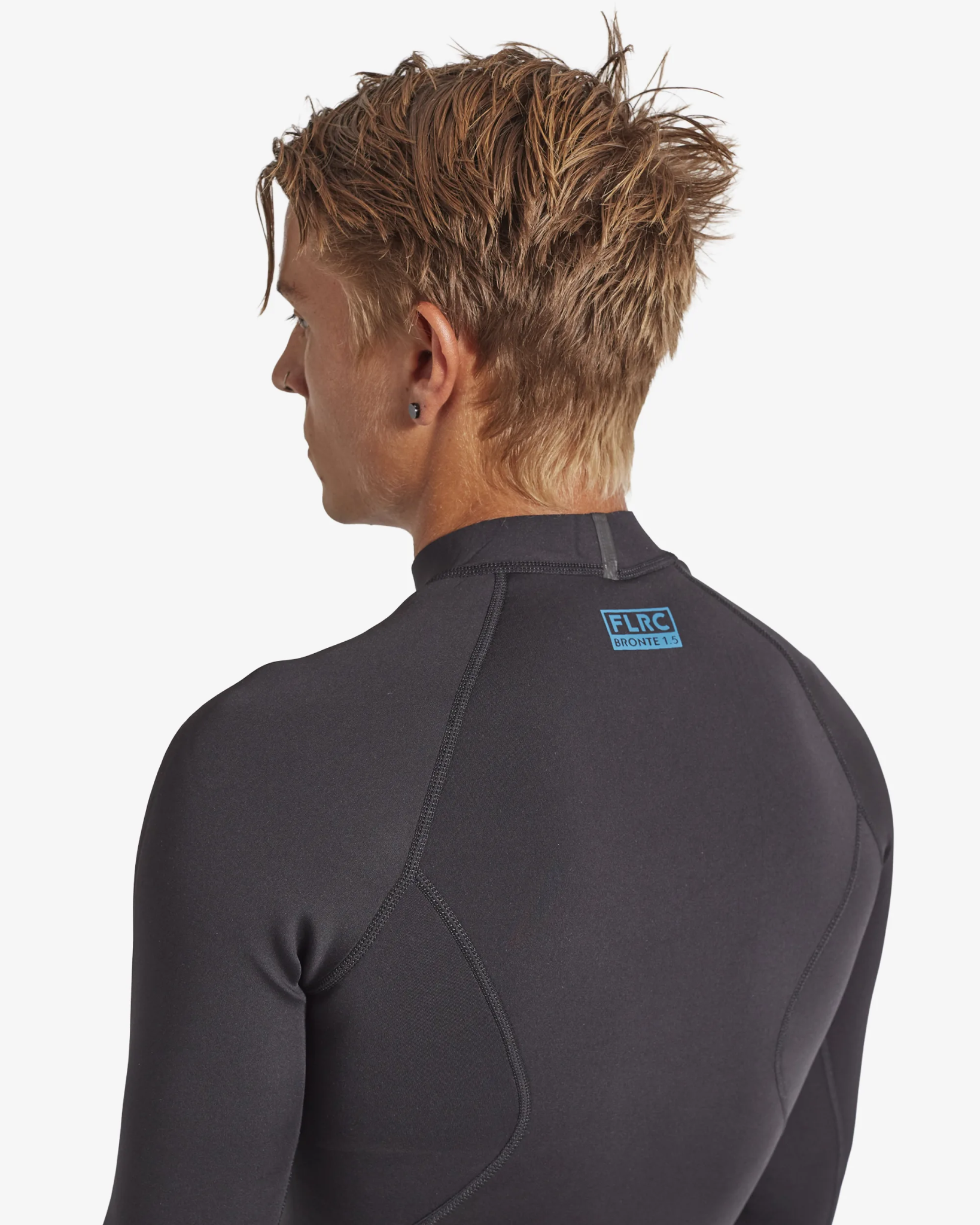
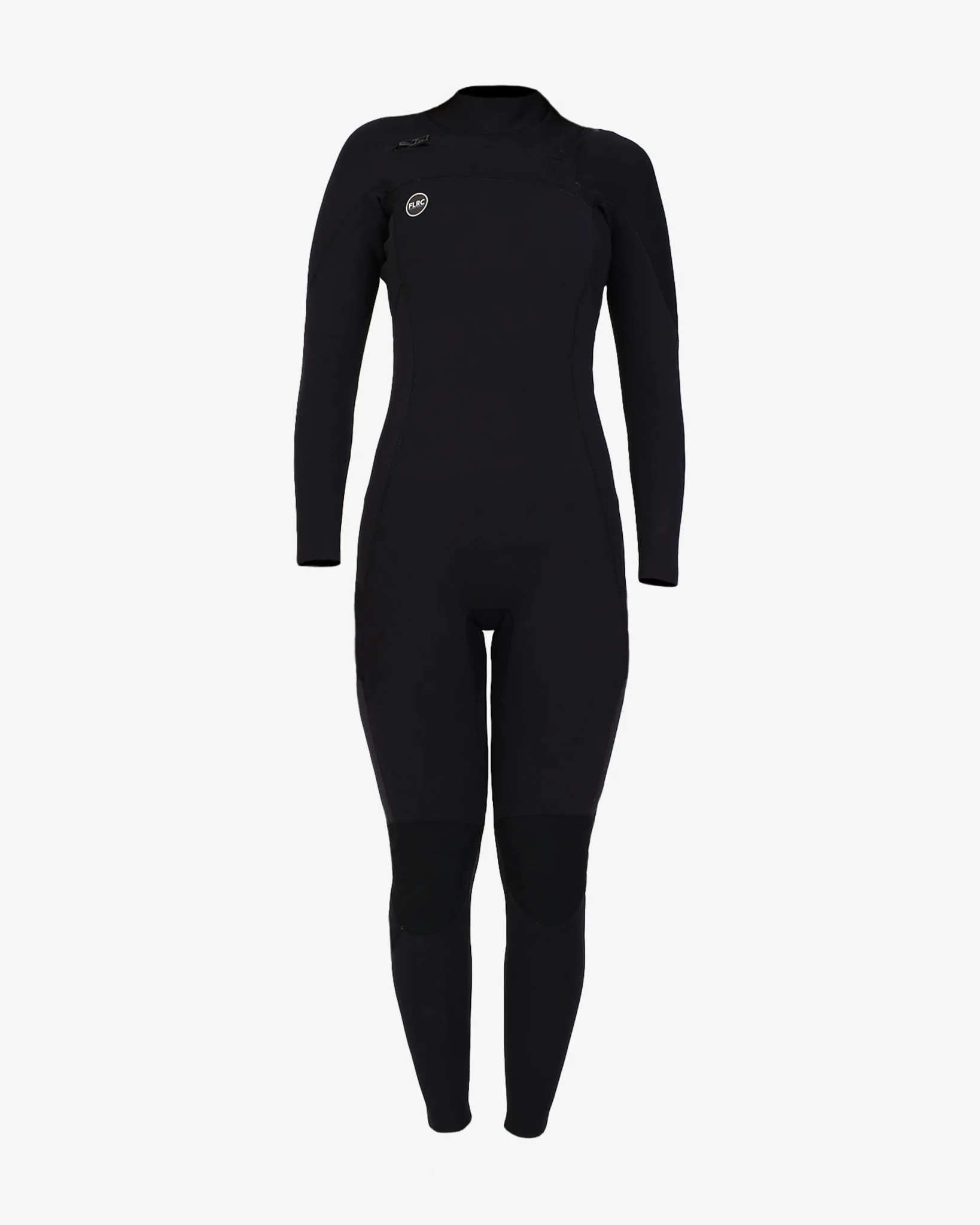
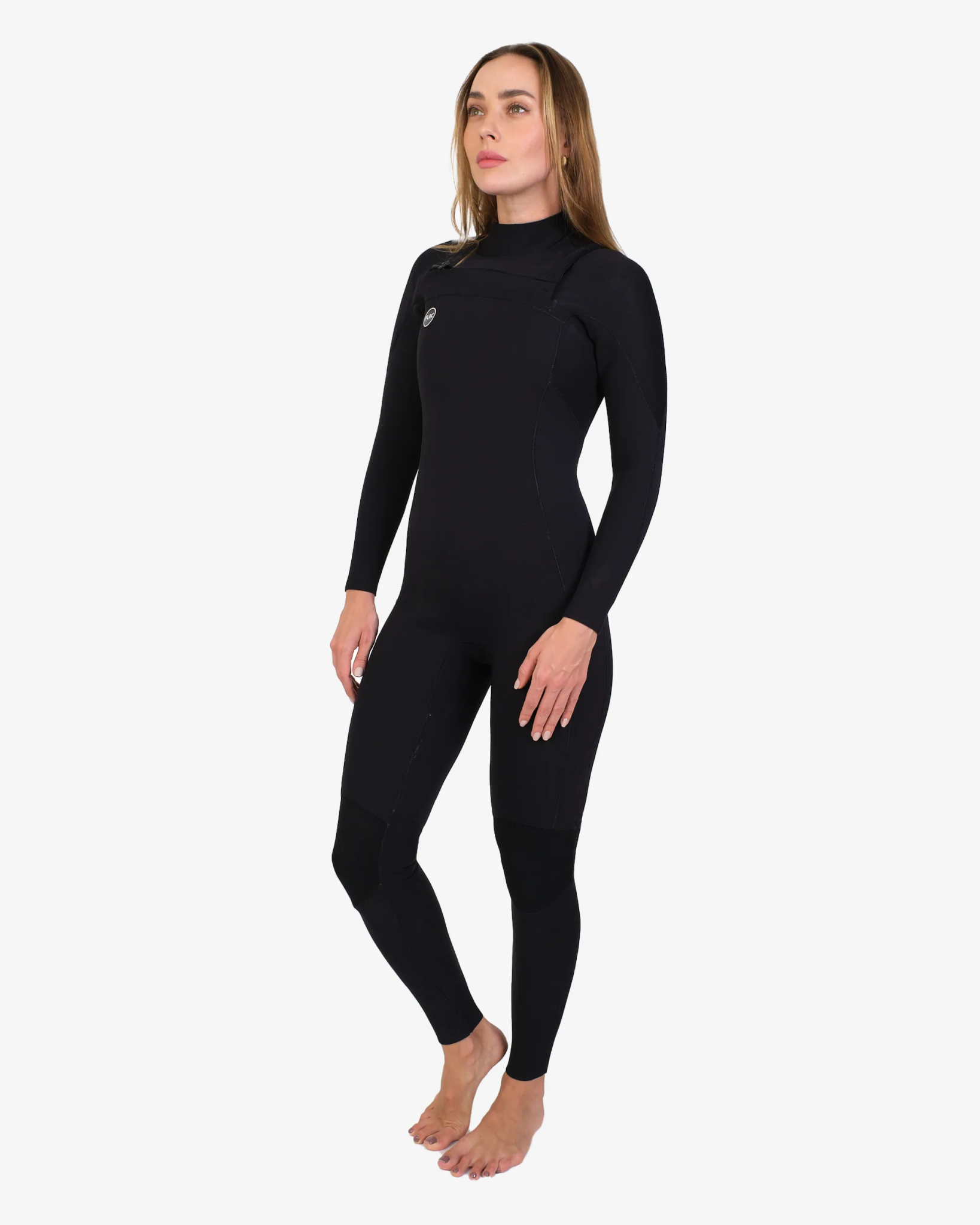
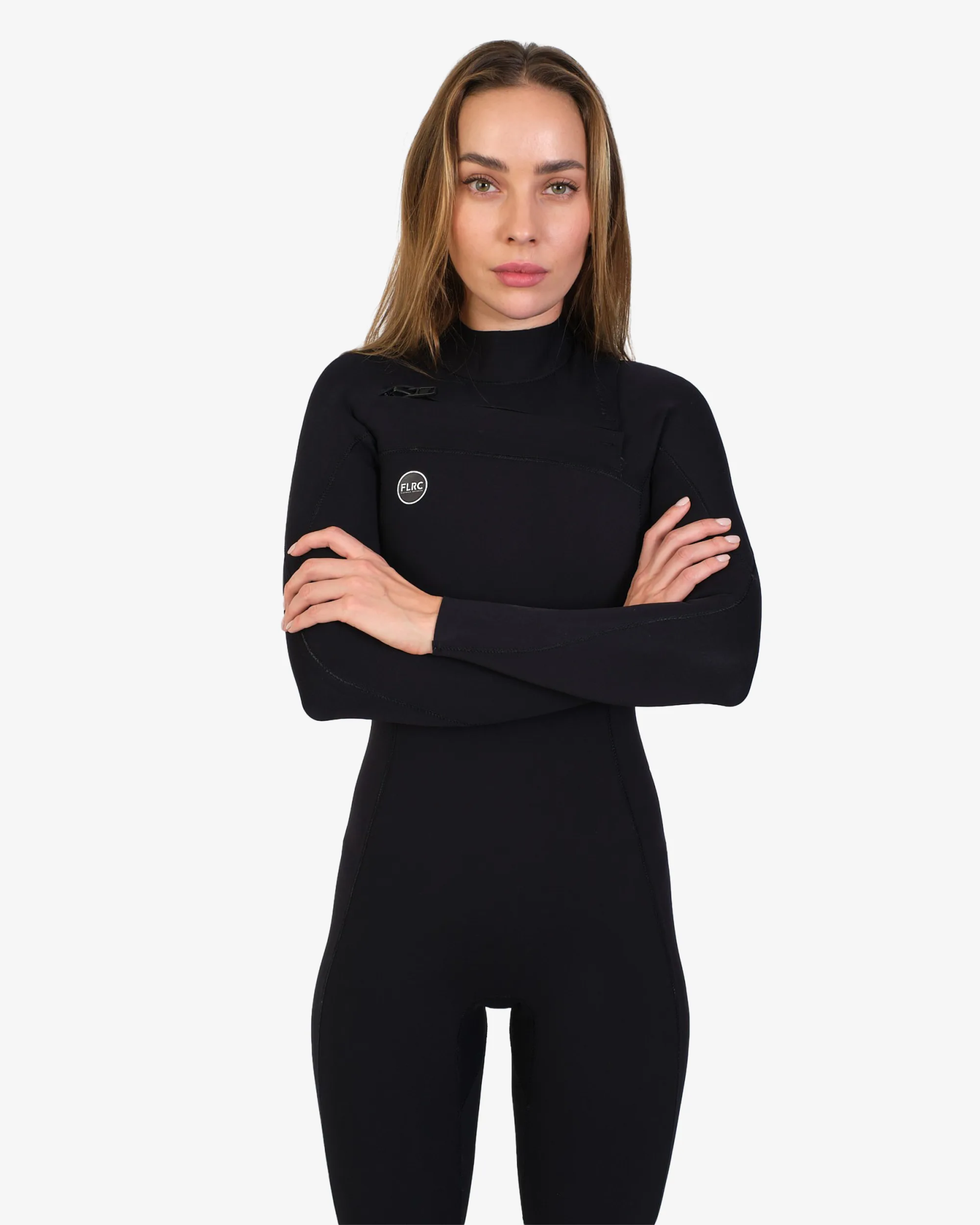
A good wetsuit isn't the one with the highest price tag, it's the one built with the right seams, stitching and panel design for the water you're paddling into. At Flatrock Surf, we reckon the fastest way to judge any wetsuit's quality is to skip the marketing and look straight at the construction: how the seams are joined, how dense the stitching is, how many panels make up the suit, and how the zip entry is built. Get those four things right and you've got a wetty that'll keep you warm and hold together, whatever it cost. If you haven't settled on a thickness yet, our guide to wetsuit thickness for Australian conditions covers that ground already; this piece is about judging the build once you know the mm you need.
What makes a wetsuit actually good quality?
Wetsuit quality comes down to four things you can check before you buy: how the seams are joined, how dense the stitching is, how many neoprene panels make up the suit, and how the zip entry is built. None of these show up on a price tag, and none of them require you to be a wetsuit engineer to spot, you just need to know what you're looking at. A cheap suit with tight, well-finished seams and a sensible panel count will outlast an expensive suit with sloppy stitching every time.
Flatlock vs glued-and-blind-stitched: what's the difference?
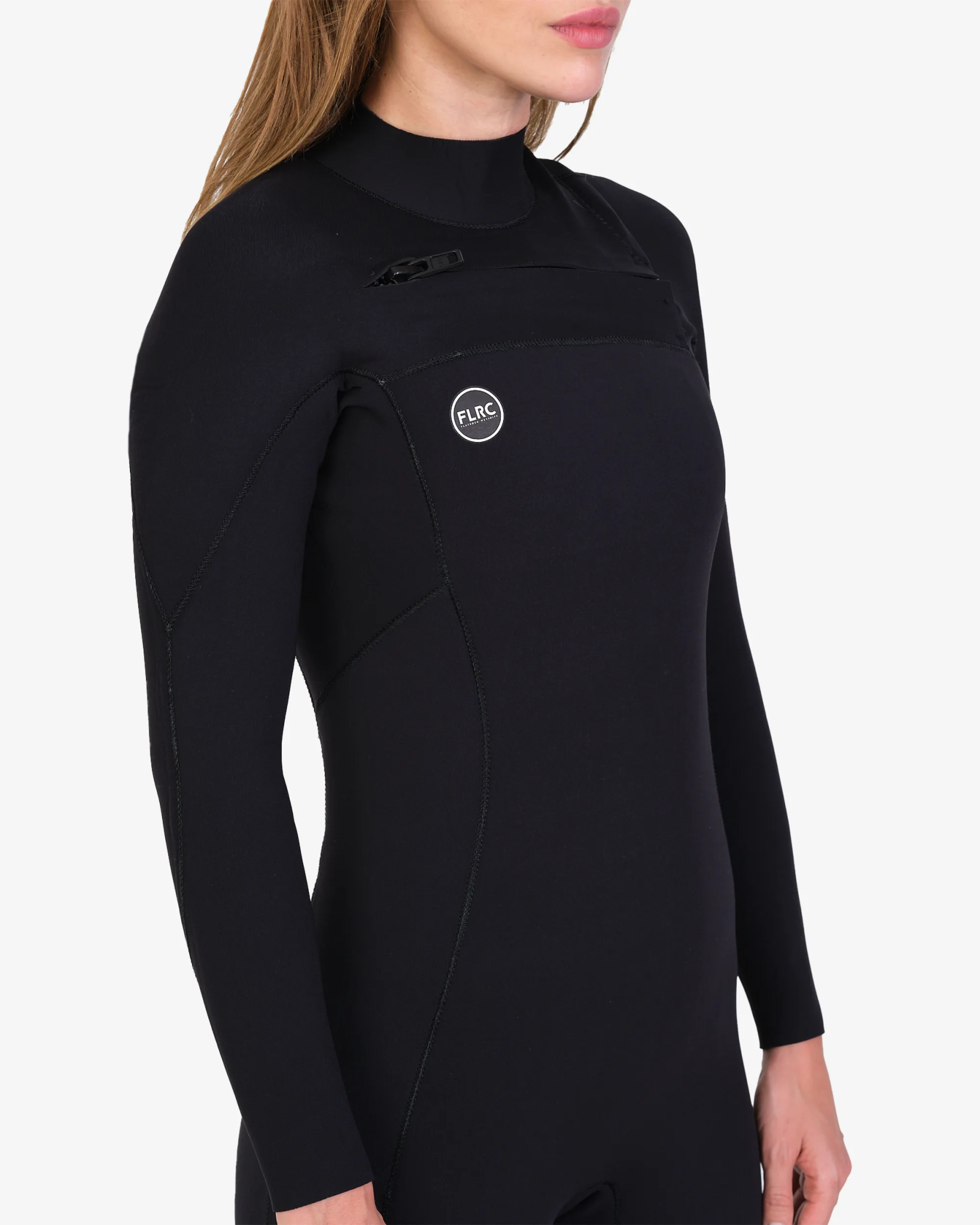
Flatlock stitching runs a needle straight through both edges of neoprene, sewing them flat against each other. Glued-and-blind-stitched (GBS) construction glues the panels first, then stitches through only part of the neoprene so the needle never fully punches through. That difference matters because flatlock leaves tiny holes right through the seam, so water flushes in steadily wherever panels join, while a GBS seam stays glued and mostly closed even where the stitching sits. Flatlock is fine, even preferable, on thinner suits and steamer tops built for warmer water like the Gold Coast or a Sydney summer, where a bit of flushing keeps you cool and the flat seam sits comfortably against skin with no rubbing. Once you're layering up for anything 3/2mm or thicker in cooler water, a suit built with GBS seams does more to keep the water you've already warmed up next to your skin, instead of constantly swapping it out.
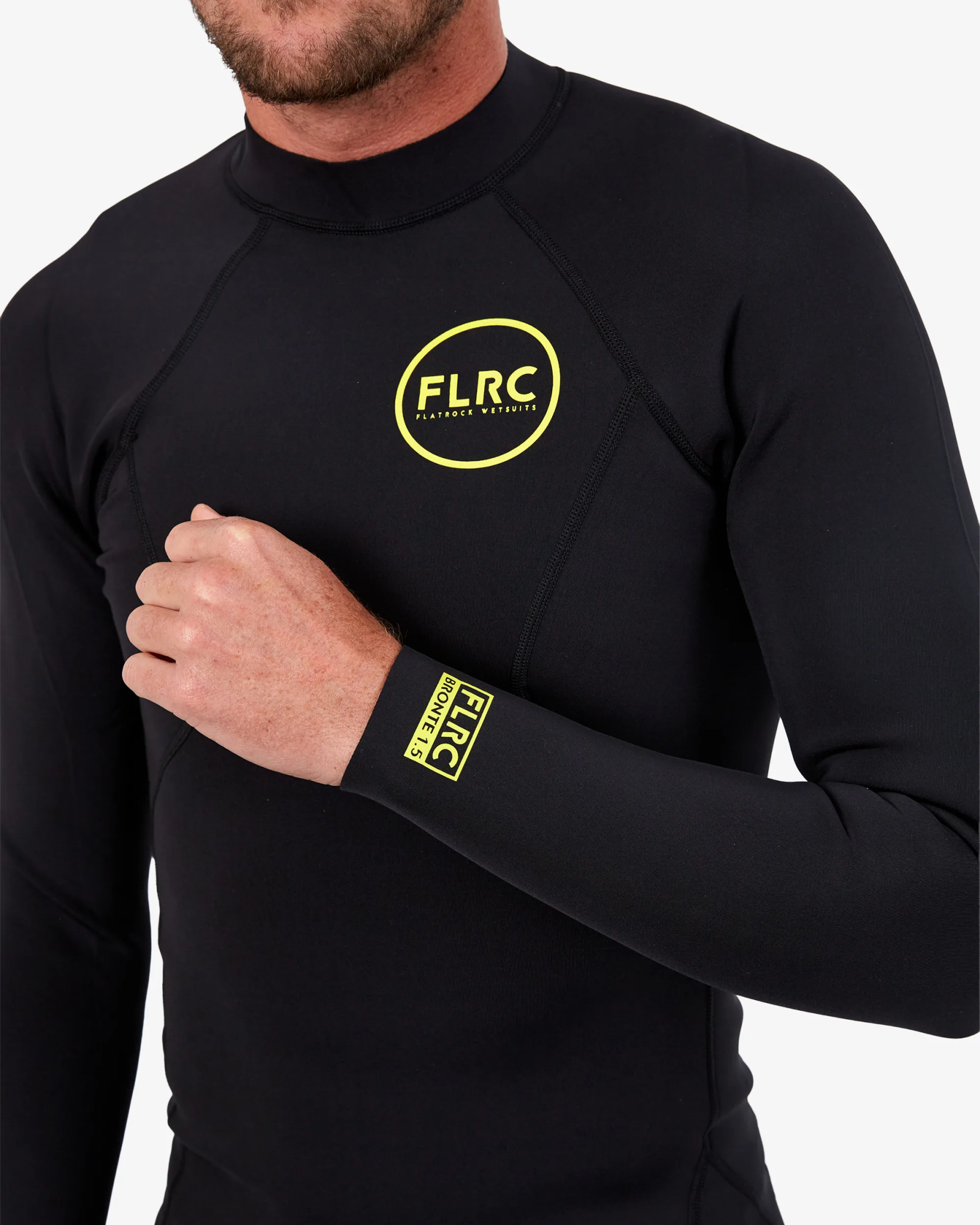
Run a finger along a seam before you buy. If you can see needle holes punched clean through both sides of the neoprene, it's flatlock. If the seam looks glued flat with stitching only visible on the surface, it's GBS.
What is liquid-taped seam construction?
Liquid-taped seams take GBS construction a step further. After the panels are glued and stitched, a liquid rubber tape is applied along the inside, and sometimes the outside, of the seam to seal it completely. This is the seam finish you want in a wetsuit built for genuinely cold water, anything you'd wear on Victoria's Surf Coast or in Tasmania, because it closes off the tiny gaps GBS stitching alone can still leave. It adds cost and a touch of stiffness to the seam, which is exactly why budget suits skip it and premium cold-water suits don't. If a suit is priced like a cold-water wetty but doesn't mention taped or sealed seams anywhere in the description, that's a fair question to ask before you hand over your money.
Does stitching density actually matter?
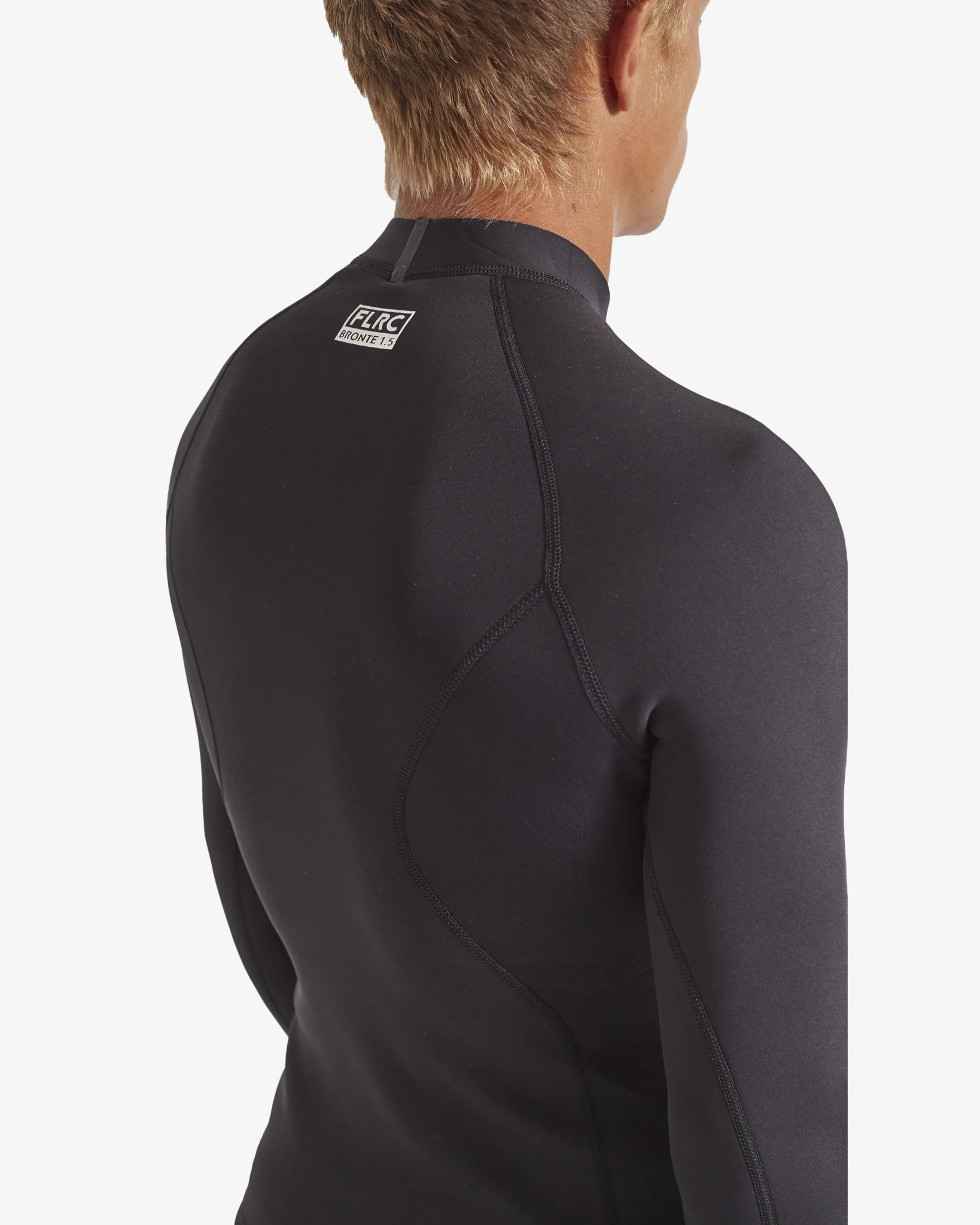
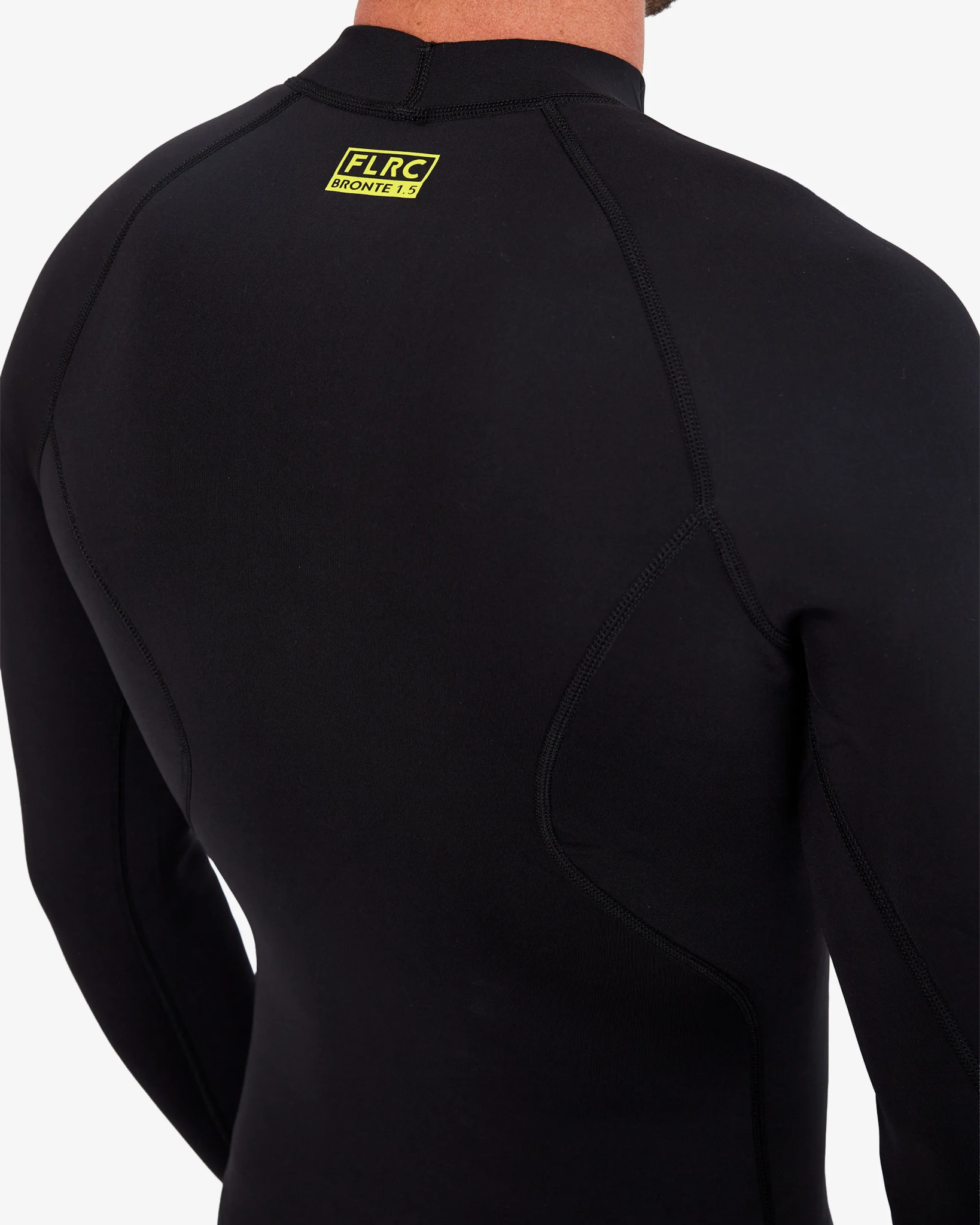
Yes, tighter stitching holds a seam together under stretch and paddling motion for longer than widely spaced stitching does. A seam with stitches packed close together spreads the load across more stitch points, so no single stitch takes all the strain when you reach for a wave or duck dive. Widely spaced stitching can look fine on the rack and still fail within a season, especially at stress points like the underarm and shoulder where the neoprene flexes hardest. Hold a seam up to the light, or compare it against a suit you know has held up well: if the stitches look sparse and far apart by comparison, that's a seam that'll likely go first.
Why panel count affects warmth and flex
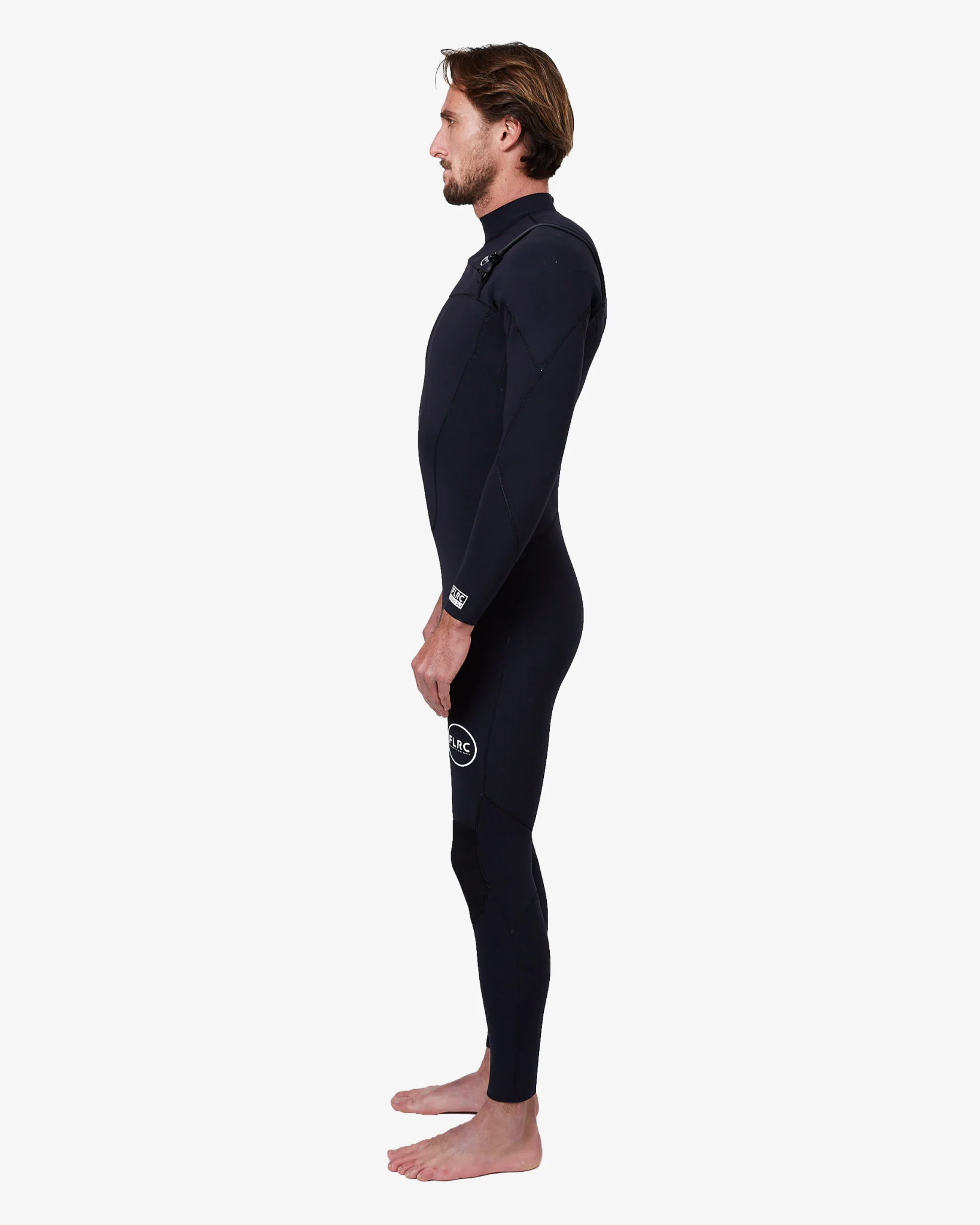
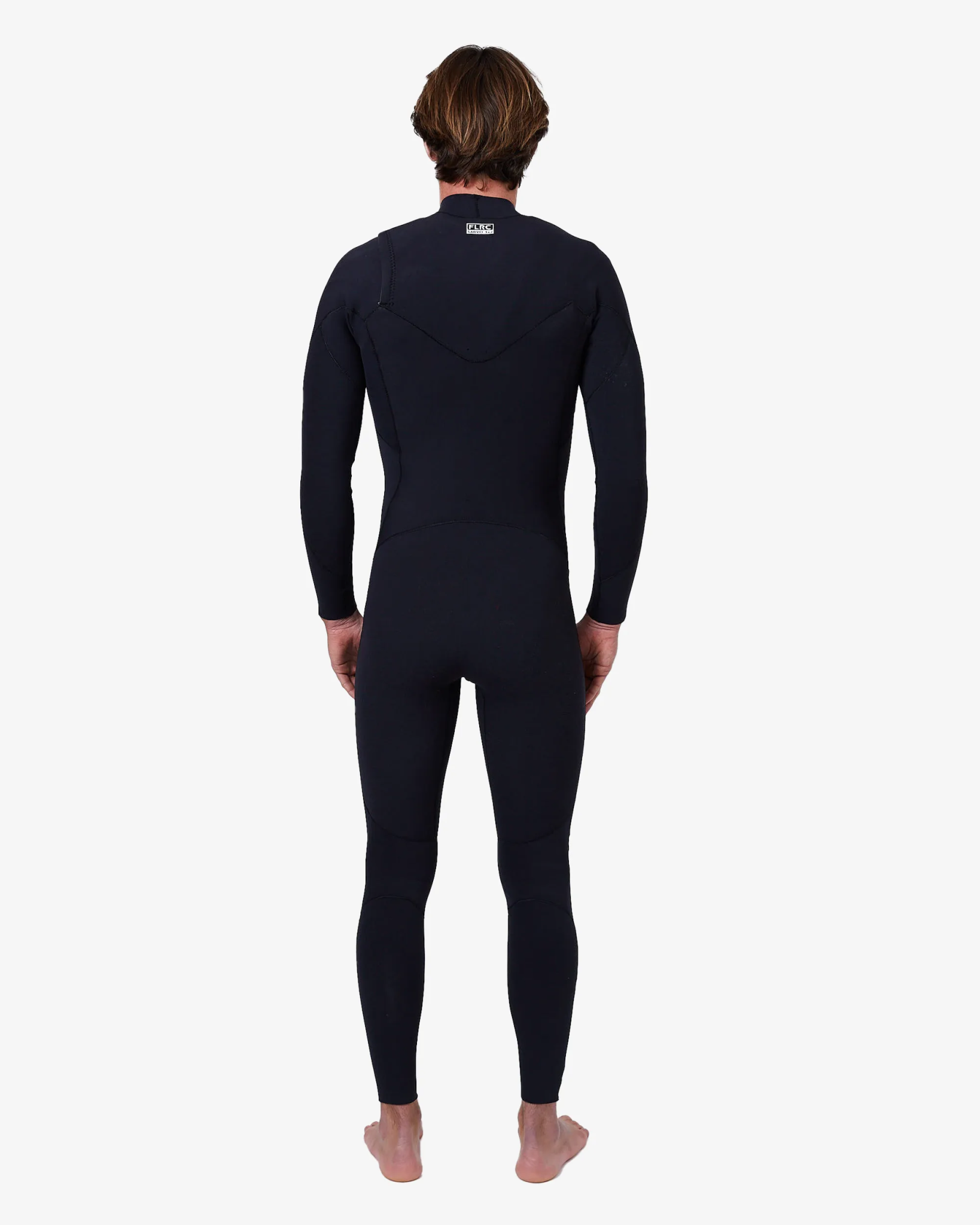
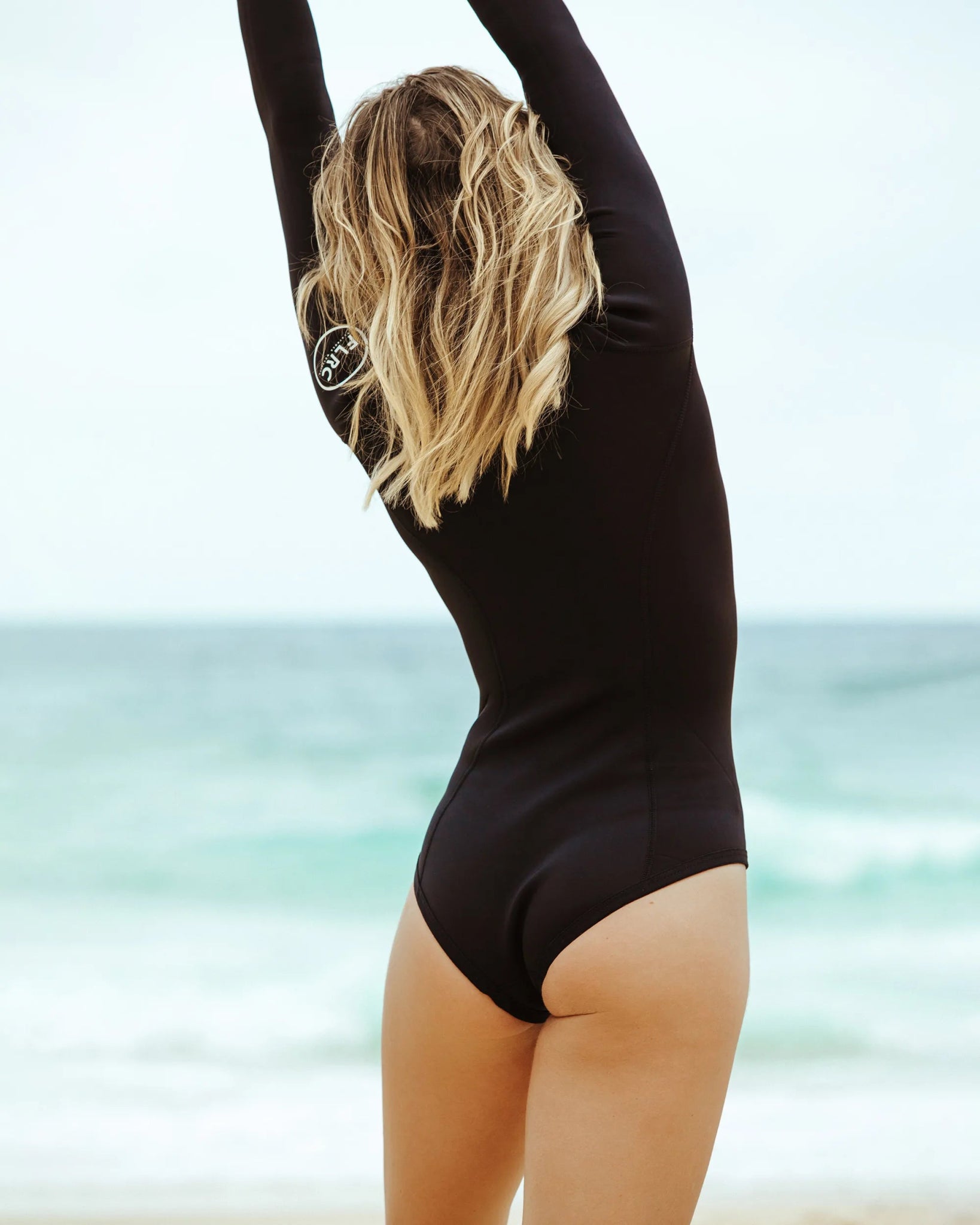
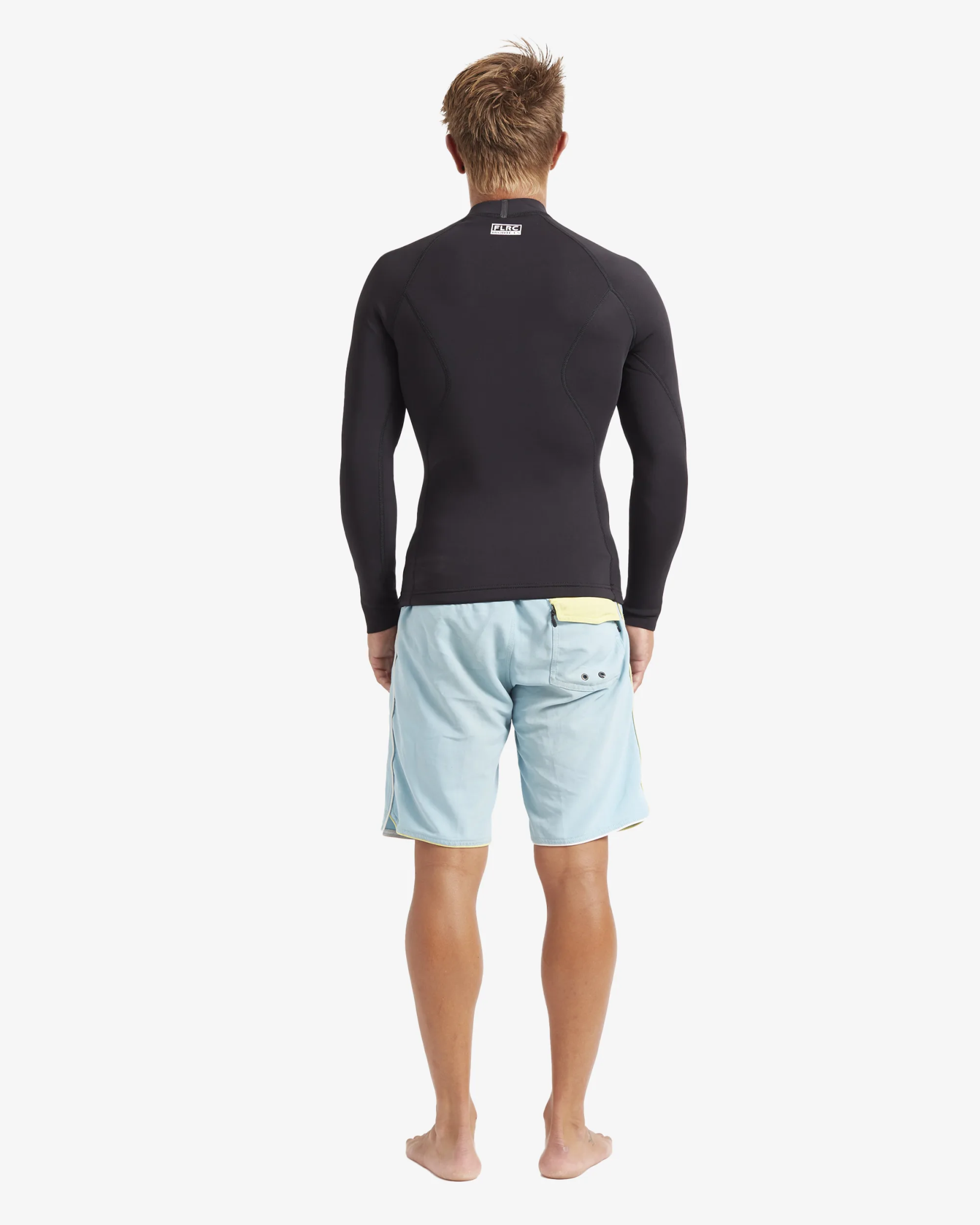
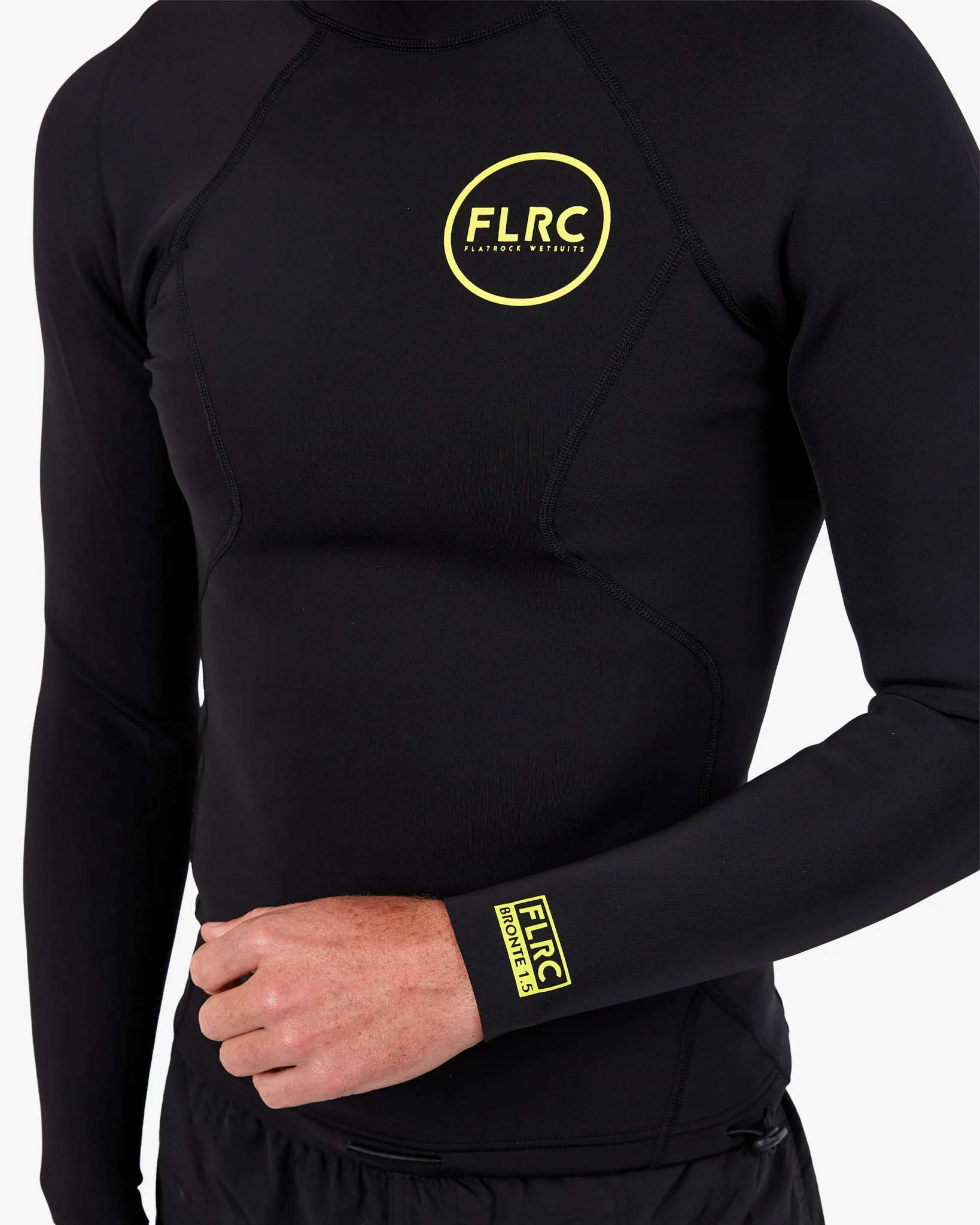
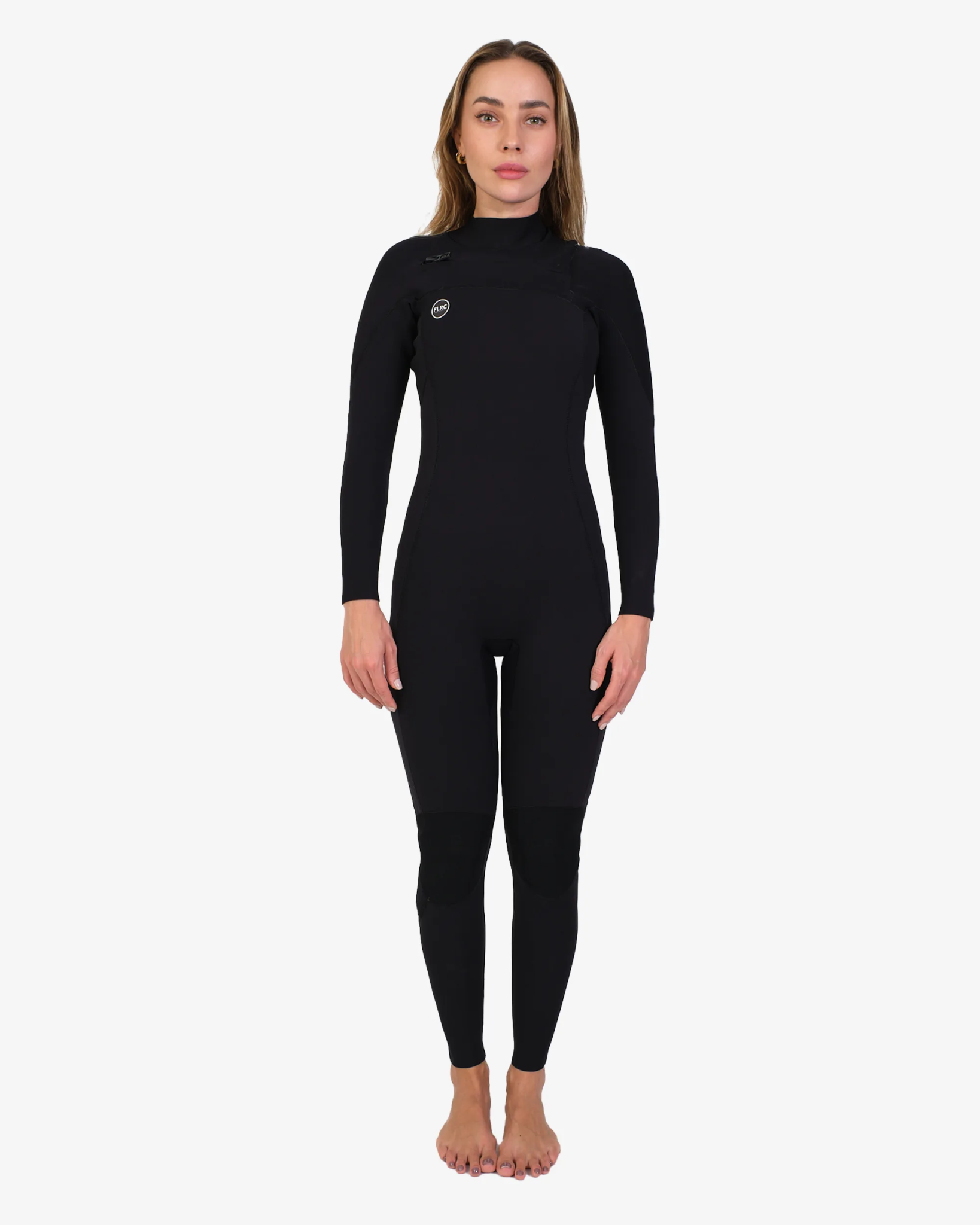
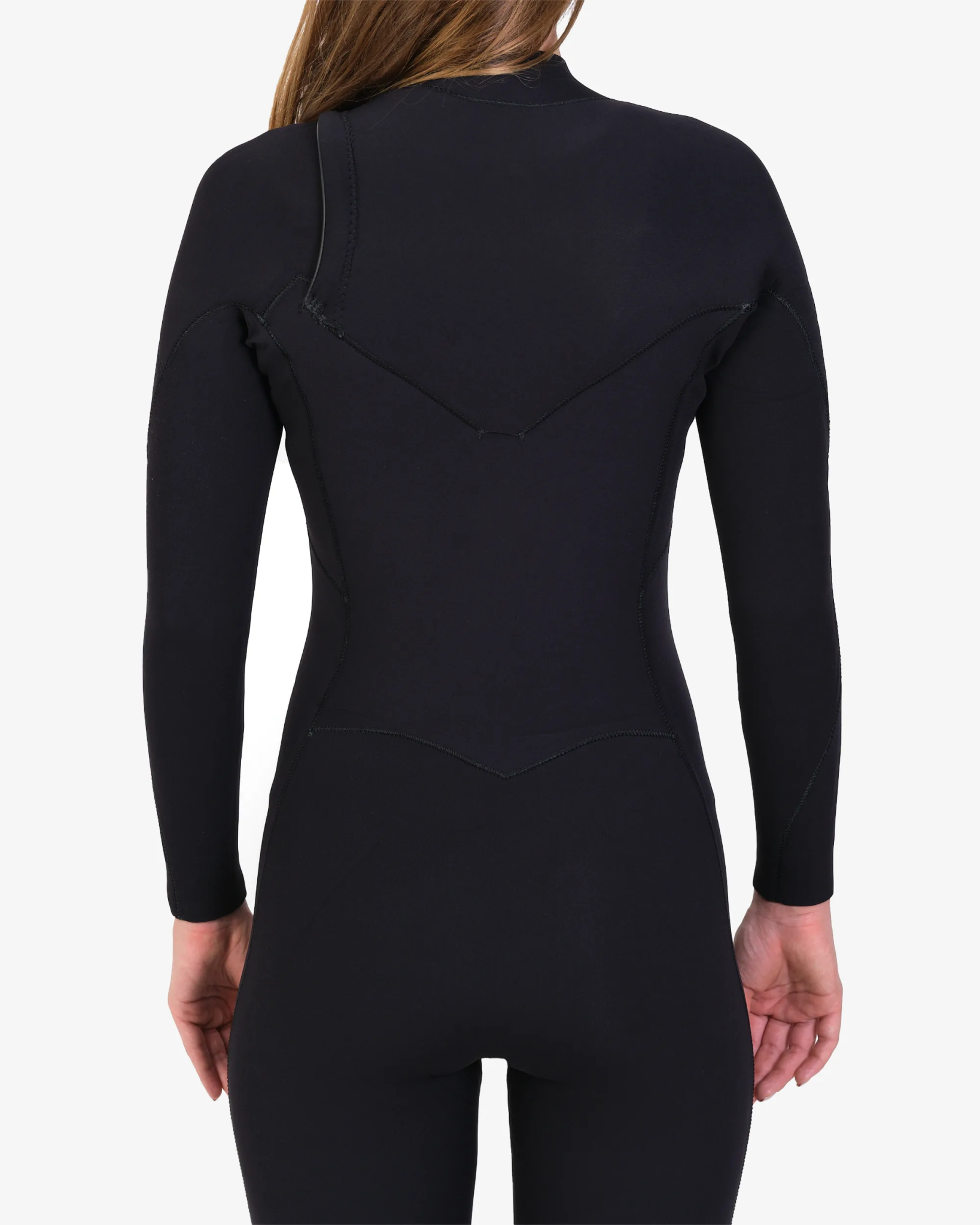
Fewer, larger panels mean fewer seams, and fewer seams mean fewer places for water to flush in and fewer places for the suit to eventually fail. A wetsuit built from a handful of anatomically curved panels moves with your shoulders and hips instead of fighting them, because the neoprene itself does the flexing rather than a seam. More panels can mean a closer, more tailored fit through the torso, but every extra panel is another seam, and another seam needs proper GBS or taping to stay watertight. When you're comparing two suits at a similar price, look over the panel layout: a suit that gets a snug fit with a sensible panel count, rather than piecing together a dozen small panels, is usually the better built of the two.
Back zip, chest zip, or zip-free: which entry style should you choose?
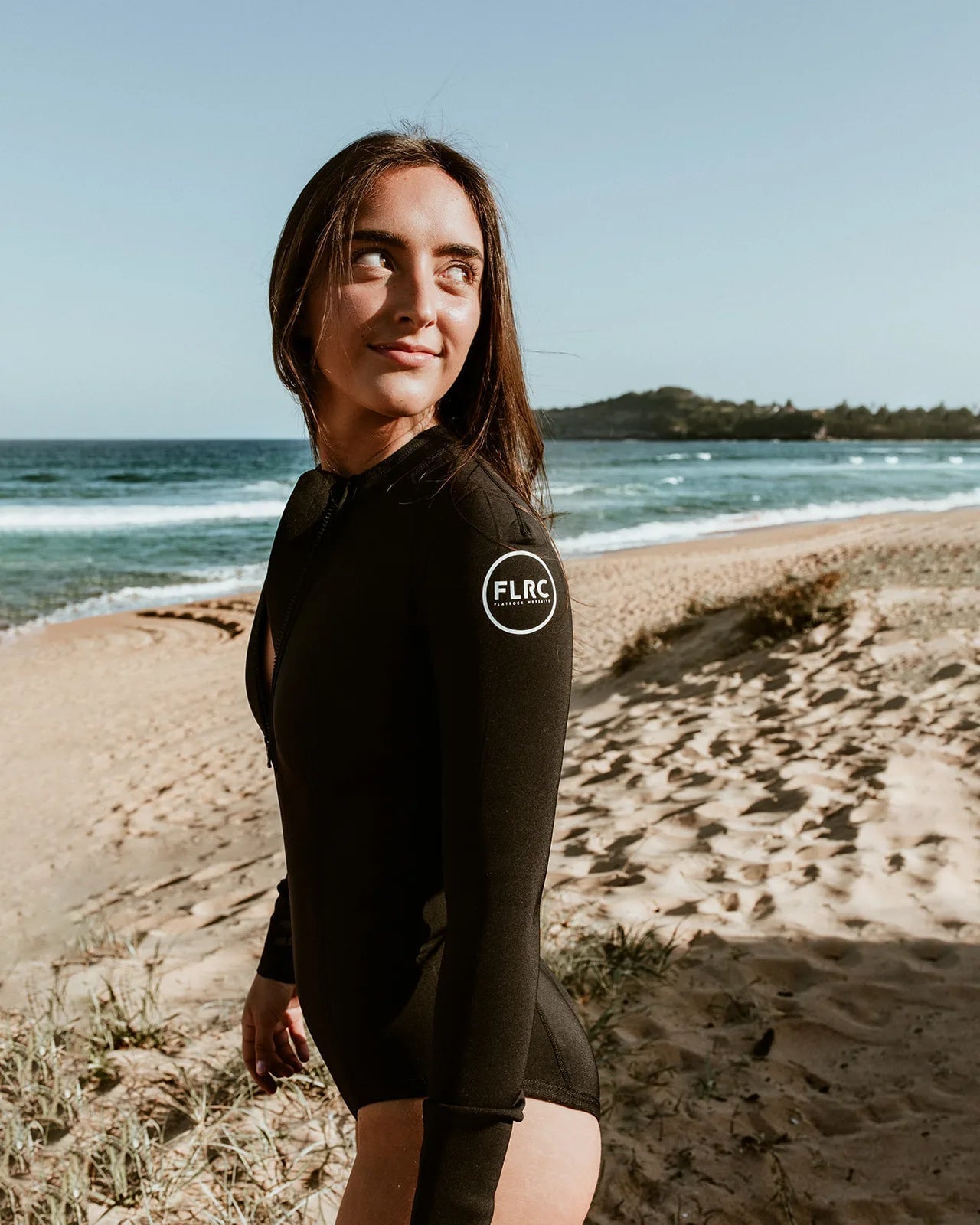
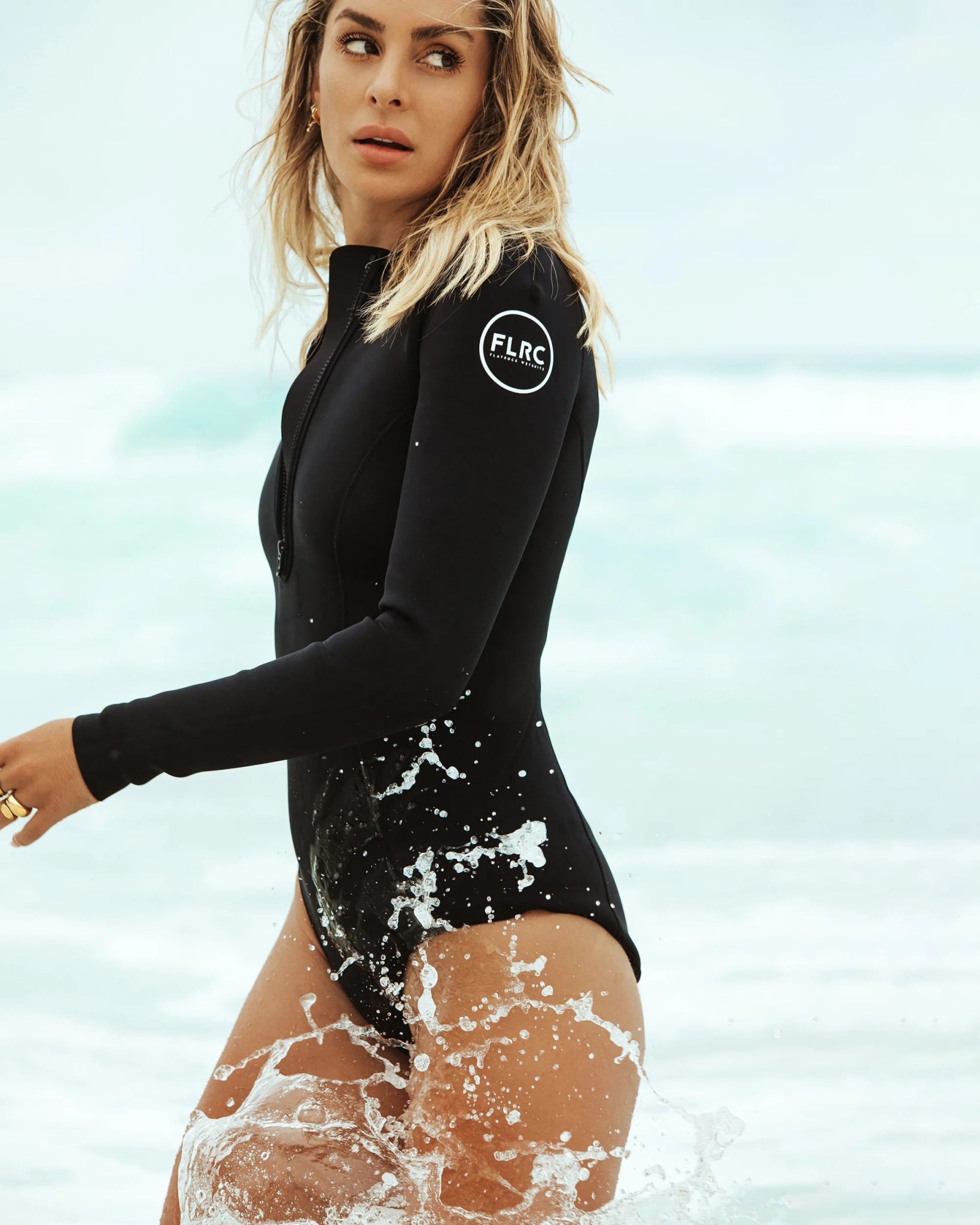
A back zip is the easiest to get in and out of but flushes the most water through the zip track and across the back panel with every duck dive, while a zip-free entry seals the closest and flexes the most through the shoulders but takes real effort to wriggle into. A chest zip sits in between: the zip and its surrounding panel stay off your shoulders and lower back entirely, which cuts down on flushing and stiff spots compared to a back zip, without the tight entry of a fully zip-free design. If you're mostly surfing Sydney year-round in the 18-24°C range, a back zip is a perfectly good, easy option, but once you're chasing colder water where every bit of retained warmth counts, a chest zip or zip-free entry earns its keep.
A quick checklist before you buy
- Run a finger along the main seams: glued and stitched flat (GBS), not punched through with visible holes (flatlock), if you want it for anything below 20°C
- Check whether the seams are described as taped or sealed if you're buying for genuinely cold water
- Look at stitch spacing, tight and even holds up better than wide and sparse
- Count the panels roughly, fewer larger panels usually means fewer failure points
- Match the zip entry to your priority: easy entry (back zip), balanced (chest zip), or maximum flex and minimum flushing (zip-free)
None of this replaces trying a suit on, but knowing what to look for means you're judging the wetsuit in front of you instead of trusting the number on the price tag. Our guide to what to look for in a wetsuit runs through fit and feel alongside these build details, and the full wetsuit guide is worth a read if you're starting from scratch. These four checks work on any wetsuit you're looking at right now, whether it's from our range or off a rack anywhere else.
Frequently asked questions
What's the difference between flatlock and GBS wetsuit seams?
Flatrock Surf's construction checklist starts with the seam: flatlock stitching sews neoprene panels flat with a needle passing through both layers, leaving small holes that flush water through, while glued-and-blind-stitched (GBS) seams are glued first, then stitched only partway through for a far more watertight join.
Do liquid-taped seams make a wetsuit warmer?
Yes, liquid-taped seams close the tiny gaps that glued-and-blind-stitched seams can still leave, so less water flushes through and the suit holds warmth better in genuinely cold water like Victoria's Surf Coast or Tasmania.
Does panel count matter more than seam type?
Not more, but they work together. Fewer panels mean fewer seams and fewer potential leak points, but even a low panel count still needs proper GBS or taped seams to actually stay watertight.
Is a chest zip better than a back zip?
A chest zip generally flushes less water and flexes better through the shoulders than a back zip, though it's harder to get in and out of. A back zip is easier entry but lets more water through the zip track.
Can a cheap wetsuit still be good quality?
Yes, if it uses tight stitching, a sensible panel count, and the right seam type for the water temperature you're surfing in. Price reflects brand and materials as much as build quality, so checking the construction directly is more reliable than checking the price tag.